
Mountain lake travel spots sound simple until you try to pick one: do you want an easy drive with amenities, a true backcountry hike, or that glassy sunrise view that actually feels quiet?
Most travelers get stuck in the same place, too many beautiful options, not enough clarity on logistics, crowds, seasons, and what “worth it” really means for your group. A lake can look incredible online and still be a stressful day in real life if parking, altitude, or weather works against you.
This guide narrows the field with a practical lens. You’ll get a quick comparison table, destination ideas across the U.S., and a planning checklist that keeps the trip fun instead of fiddly.
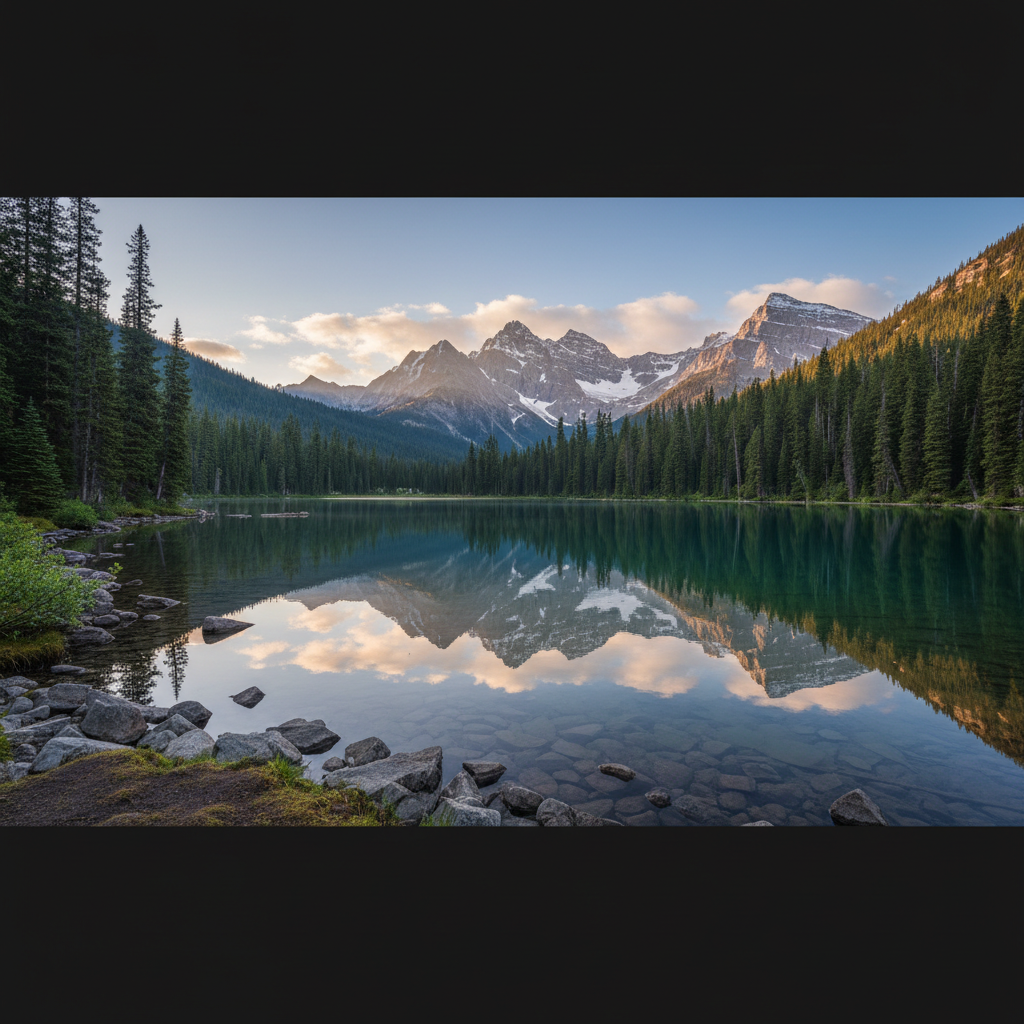
How to pick a mountain lake that matches your trip style
Before you fall for a photo, decide what you’re optimizing for. A “best” lake is usually just the one that fits your constraints and expectations.
- Effort level: roadside viewpoint, short walk, or 6–12 mile hike with elevation gain.
- Vibe: family-friendly swimming and rentals, or quiet shoreline with minimal development.
- Season window: some high-elevation lakes stay icy well into early summer, and wildfire smoke can affect late summer.
- Access reality: timed entry, permits, shuttle systems, unpaved roads, or limited parking.
- What you want to do: paddleboarding, fishing, photography, camping, or just a picnic with a view.
According to National Park Service guidance, conditions can change quickly in mountain environments, so plan with weather and safety in mind rather than assuming a “normal” day.
Quick comparison table: popular U.S. mountain lake options
If you’re choosing between a few regions, this table is the fastest way to set expectations. Use it as a shortlist builder, not a definitive ranking.
| Destination | State | Best for | Typical season | Access notes |
|---|---|---|---|---|
| Lake Tahoe | CA/NV | Big views, beaches, water sports | Year-round | Easy access, summer crowds |
| Jenny Lake (Grand Teton) | WY | Iconic peaks + hikes | Late spring–early fall | Parking fills early, boat shuttle available |
| Crater Lake | OR | Deep-blue caldera scenery | Summer–early fall | Snow can linger, check road status |
| Lake Louise & Moraine Lake area | AB (Canada) | Bucket-list turquoise lakes | Summer–early fall | Shuttles/reservations often required |
| Maroon Lake | CO | Sunrise photos, fall color | Summer–fall | Permit/shuttle systems common |
| Lake McDonald (Glacier) | MT | Easy scenic drives + hikes | Summer | Possible vehicle reservations in peak season |
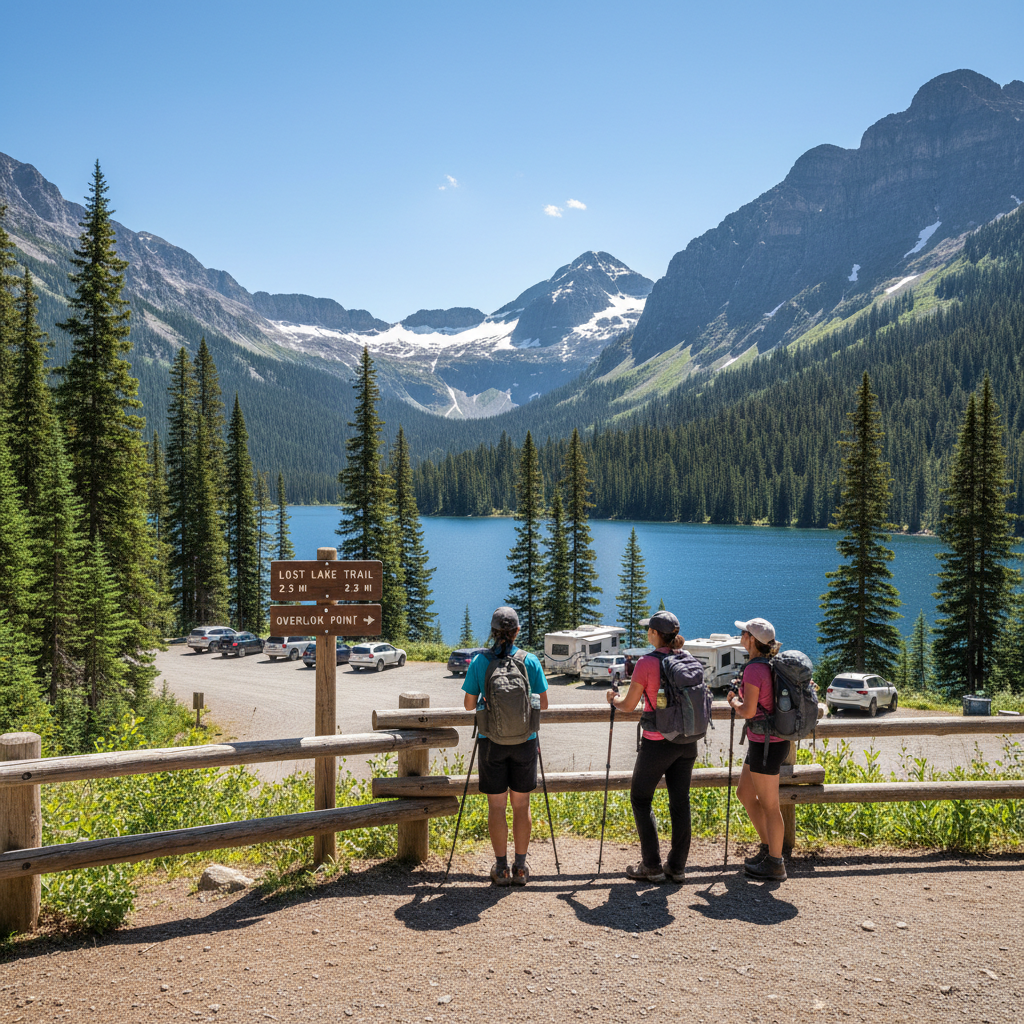
Beautiful mountain lake travel destinations worth building a trip around
Here are destinations that consistently deliver, with quick notes on what makes each one click. If you’re collecting mountain lake travel spots for a future itinerary, save a mix of “easy wins” and “you’ll work for it” lakes.
1) Lake Tahoe (California/Nevada)
Tahoe is the classic for a reason: huge shoreline variety, clear water, and lots of ways to make the day work even if weather shifts. If you want a lake trip that still has restaurants and backup plans, this is a safe bet.
- Don’t miss: Emerald Bay viewpoints, easy shoreline walks, sunset on the Nevada side.
- Watch for: parking pressure in summer weekends, plan early starts.
2) Jenny Lake (Wyoming, Grand Teton National Park)
Jenny Lake gets you straight into the “mountains dropping into water” feeling. The boat shuttle can save time if your goal is a bigger hike without a bigger day.
- Don’t miss: lakeshore trail segments for quick views, Cascade Canyon access for hikers.
- Watch for: variable mountain weather, layers matter.
3) Crater Lake (Oregon)
This one is different. You’re not coming for a shoreline picnic so much as that unreal cobalt color and the sheer scale of the caldera. It’s a “stand there quietly for a minute” kind of place.
- Don’t miss: rim viewpoints at different times of day, especially clearer mornings.
- Watch for: late snow and limited services in shoulder seasons.
4) Maroon Lake (Colorado, Aspen area)
Maroon Bells behind the lake is the photo you’ve seen, and yes, it looks like that in real life. The tradeoff is popularity, so your timing matters more than most spots.
- Don’t miss: sunrise if you can manage it, fall foliage when conditions align.
- Watch for: access rules, shuttle or reservations are common in peak periods.
5) Lake McDonald (Montana, Glacier National Park)
Glacier’s lakes feel crisp and expansive, and Lake McDonald is approachable even if you’re not trying to hike all day. It also pairs well with scenic drives.
- Don’t miss: colorful shoreline stones, easy pulls and short walks.
- Watch for: peak-season entry requirements can change year to year.
6) Lake Crescent (Washington, Olympic Peninsula)
Not all mountain-adjacent lakes are high-alpine. Lake Crescent has that deep, moody-blue look, plus rainforest-meets-water scenery that feels very Pacific Northwest.
- Don’t miss: short hikes to viewpoints and waterfalls nearby.
- Watch for: rain gear helps even in summer, weather turns quickly.
Self-check: are you planning the right kind of lake trip?
This takes two minutes and saves you from mismatched expectations. If you answer “yes” to several items in one cluster, plan around that cluster.
- Low-friction day trip: I need bathrooms nearby, I’m traveling with kids or mixed mobility, I want flexible arrival time.
- Photo-first itinerary: I’m willing to start before sunrise, I care about reflections and light direction, I can handle crowds by timing.
- Backcountry feel: I’m okay hiking 5+ miles, I carry the essentials, I’m fine with no cell service.
- Water activity focus: I want to paddle or swim, I’m checking water temps, I’m bringing the right footwear.
According to U.S. Forest Service safety guidance, being prepared for changing conditions and knowing local rules is a key part of recreating responsibly on public lands.
Practical planning steps that make mountain lake trips smoother
This is the part most people skip because it feels boring, then they lose half the day to parking, weather, or a closed road. A little structure pays off.
- Pick your “arrival anchor” time: sunrise for photos, before 9 a.m. for parking, or late afternoon for calmer trails.
- Check access rules the day before: reservations, shuttle schedules, seasonal road closures, trail construction.
- Build a two-option plan: one primary lake, one backup nearby that still feels like a win if smoke or storms roll in.
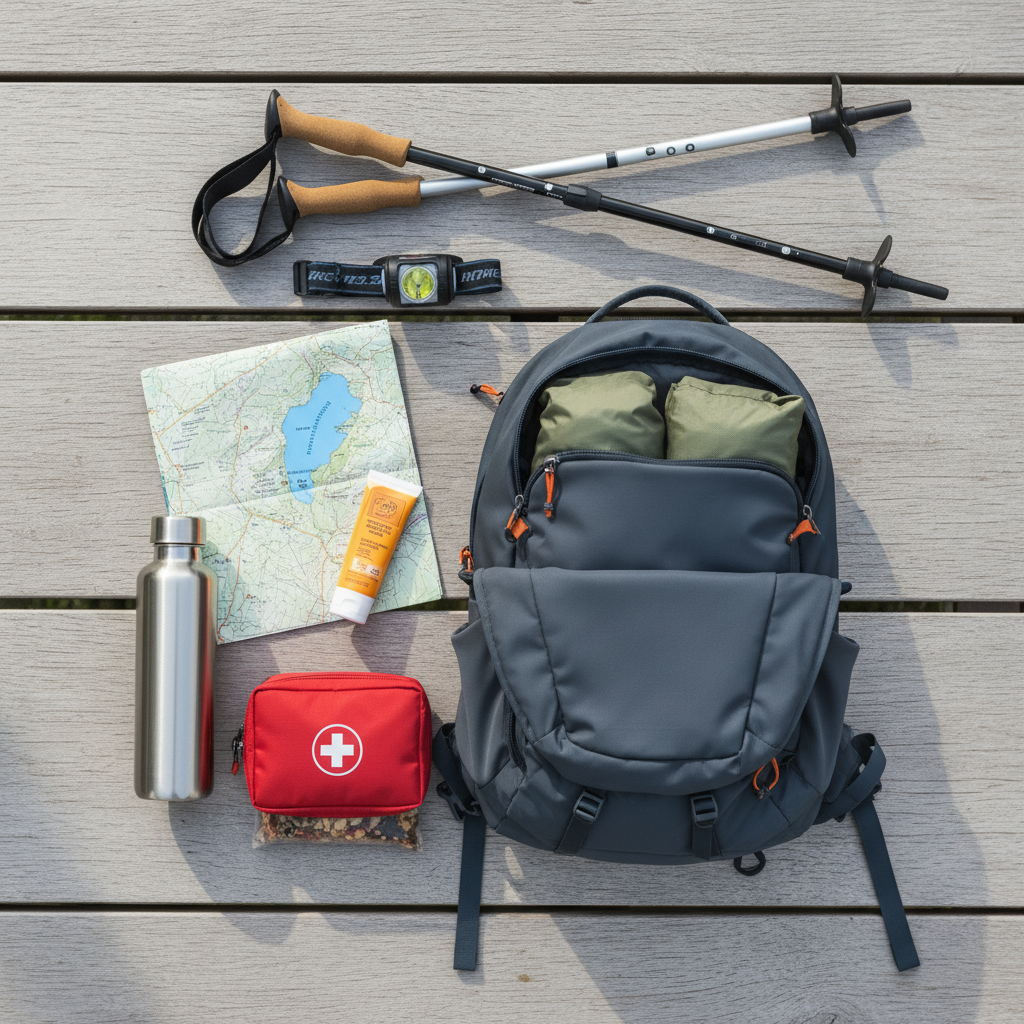
- Pack for the shoulder season even in summer: light rain layer, extra warm layer, and more water than you think you need.
- Make food simple: picnic items that don’t require perfect weather or a long sit, because wind off water can change the mood fast.
If altitude is part of your trip, go easier on day one. Headaches and fatigue can happen, and if symptoms feel severe, it’s smart to slow down and consider medical advice.
Mistakes that quietly ruin otherwise great mountain lake travel spots
These are common, and they’re usually fixable with one decision made earlier.
- Assuming “summer” means warm water: many lakes stay cold, and cold-water shock is a real risk. If you swim, do it cautiously.
- Underestimating time at the top: viewpoints, short walks, and photo stops add up, so the drive isn’t the only time sink.
- Chasing the famous shot at the worst hour: mid-day glare flattens colors, and crowds feel heavier. Earlier or later often looks better.
- Ignoring wind: paddling can become uncomfortable fast, and inflatable gear can be tricky when gusts pick up.
- Not reading local rules: fire restrictions, pets, drones, and boating rules vary widely by park and forest.
When to consider local guides or professional help
Most lake days are straightforward, but a few scenarios justify bringing in someone who knows the area.
- Technical routes or snow travel: if your hike crosses snowfields or steep terrain, conditions can be hazardous, especially early season.
- Boating and paddling in unfamiliar conditions: wind funnels in valleys, and cold water changes the risk profile, outfitters can advise on timing and gear.
- Backcountry permits and campsite strategy: popular zones require planning, and rangers or local guiding services can help you avoid rookie mistakes.
For current hazards, check official park or forest alerts. According to National Weather Service guidance, thunderstorms and lightning can be dangerous in exposed terrain, even when the morning looks calm.
Key takeaways for planning your next trip
Mountain lake travel spots feel magical when you match the lake to your effort level, pick the right time of day, and treat access rules as part of the plan instead of an afterthought. Don’t over-optimize, just make two smart choices: timing and backup options.
If you want an easy next step, pick one destination from the table, check access requirements for your dates, then lock in an arrival time that aligns with your goal, photos, swimming, or quiet.
FAQ
What are the best times of year for mountain lake travel spots in the U.S.?
In many regions, late spring through early fall is the simplest window, but it varies by elevation. High alpine lakes may stay snowy into early summer, while lower-elevation lakes can be comfortable earlier.
How do I avoid crowds at popular mountain lakes?
Arrive early, aim for weekdays, and consider shoulder seasons. Another reliable trick is choosing a “less famous” lake near the marquee one, you often get similar scenery with less pressure.
Do I need permits or reservations for mountain lake destinations?
Sometimes, yes, especially for national parks, shuttle-only corridors, and popular trailheads. Check official park or forest sites the day before you go because rules can change seasonally.
Are mountain lakes safe for swimming?
Many are safe in the sense that people do swim, but water can be very cold and conditions can change. Ease in slowly, avoid swimming alone, and if you have health concerns, consider consulting a medical professional before cold-water exposure.
What should I pack for a day at a mountain lake?
Water, sun protection, layers, a rain shell, snacks, and a basic first-aid kit cover most situations. Add a headlamp if you’re timing sunrise or sunset, it’s a small item that prevents big stress.
How can I find quieter, lesser-known mountain lake travel spots?
Look for lakes in national forests and state parks, not just the most photographed park icons. Ranger stations and local visitor centers can also point you toward places that fit current conditions.
What’s the biggest planning mistake people make for mountain lake trips?
They plan the destination but not the access. Parking, shuttles, closures, and trailhead timing often matter more than the lake itself for how the day feels.
If you’re planning a lake-focused itinerary and want it to feel smooth, not rushed, it helps to map your mountain lake travel spots by season and access style, then build a simple “Plan A / Plan B” route you can pivot between when weather or crowds change.