
The best travel makeup remover wipes are the ones you can actually use anywhere, on a plane, in a cramped hotel bathroom, or in the backseat, without leaving residue, stinging your eyes, or drying out your skin. The tricky part is that “works great at home” and “works great while traveling” aren’t the same thing.
Travel adds constraints most people don’t think about until a wipe fails mid-trip: pressure changes can make packs leak, heat can amplify fragrance, and a dried-out packet becomes dead weight. If you’ve ever tried to remove long-wear sunscreen and mascara with a flimsy wipe, you know the frustration.
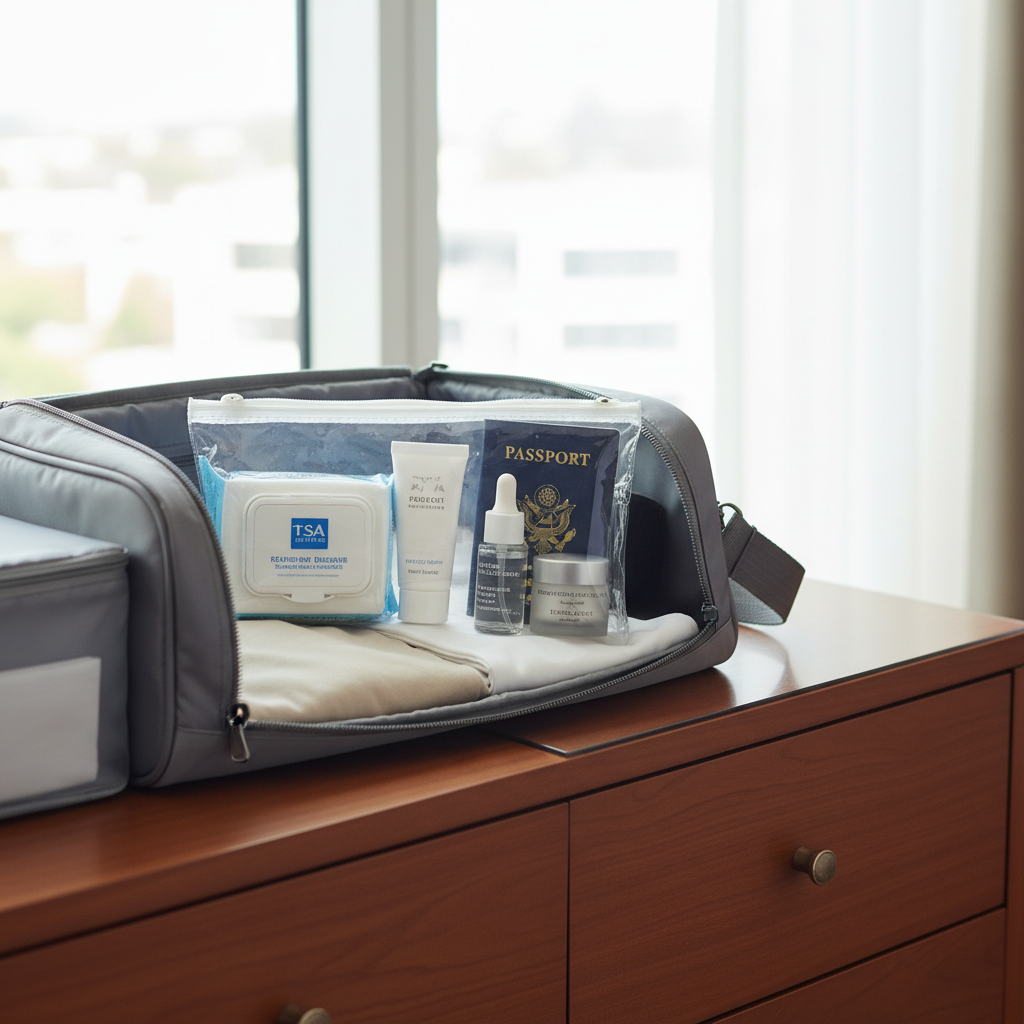
This guide focuses on how to choose wipes that perform under travel conditions, what ingredients tend to be friendlier for sensitive faces, and how to pack them so they stay moist. I’ll also share a quick comparison table and a simple decision checklist, because nobody wants to overthink wipes on vacation.
What makes wipes “travel-ready” (not just convenient)
Most wipes remove makeup if you scrub long enough. Travel-ready wipes do it with fewer passes and fewer tradeoffs, which matters when you’re tired, your skin feels dry from the cabin, and you just want to wash up.
- Packaging that stays sealed: A sturdy reseal sticker or flip-top helps prevent drying out. Thin adhesive tabs fail fast in a toiletry bag.
- Cloth texture that grips: A slightly textured wipe lifts sunscreen and long-wear base better than a slick sheet.
- Liquid formula that emulsifies: You want a “melting” feel, not just soapy water. It should break down oils without leaving a film.
- Eye comfort: Many people tolerate wipes on cheeks but not around eyes. If you wear waterproof mascara, this becomes the deciding factor.
- Skin finish: Ideally your face feels clean, not tight. Tightness often signals harsh surfactants or too much alcohol.
According to the American Academy of Dermatology Association, fragrance and harsh cleansers can be irritating for some people, especially if skin is already dry or reactive, which is common after flights or sun exposure.
Quick comparison table: how to pick without overthinking
This table isn’t a “top 10” ranking, because availability and personal tolerance vary a lot. It’s a practical way to match wipe type to your travel style and skin behavior.
| Traveler / Skin Scenario | What to look for | What to avoid |
|---|---|---|
| Carry-on only, short trips | Small pack size, strong reseal, multi-use (face + hands) | Bulky tubs, weak adhesive tabs |
| Oily or combo skin in humid climates | Oil-cutting but gentle surfactants, light finish | Heavy oils that leave a slick film |
| Dry or easily irritated skin | Fragrance-free, alcohol-free, soothing humectants | Strong fragrance, high alcohol, “tingly” formulas |
| Waterproof makeup or mineral sunscreen | Textured cloth, “oil-emulsifying” feel, larger wipe size | Very thin wipes that shred or pill |
| Camping, long days, limited water | Durable cloth, low residue, skin-friendly preservatives | Overly perfumed wipes that attract bugs or feel sticky |
Ingredient and material cues that usually matter most
If you’re trying to find the best travel makeup remover wipes for your skin, the label details can save you a lot of trial-and-error. Not because you need to memorize chemistry, but because a few cues predict comfort and cleanup.
Fragrance, essential oils, and “tingle” claims
Many wipes smell great, and some people love that. But fragrance and essential oils are common triggers for irritation, especially around eyes. A “cooling” or “tingling” sensation can also be a sign your skin barrier won’t be thrilled, particularly after sun or wind.
Alcohol and harsh surfactants
Some formulas rely on alcohol for a fast-drying feel. In a travel context, where your skin may already be dehydrated, that can push you into tightness and flaking. If you’re acne-prone you might still tolerate it, but it’s not the default “safe bet.”
Cloth thickness and texture
Material matters almost as much as the liquid. Thin wipes can fold up and smear makeup around. A thicker, slightly textured cloth tends to lift pigment faster so you rub less, which can reduce redness.
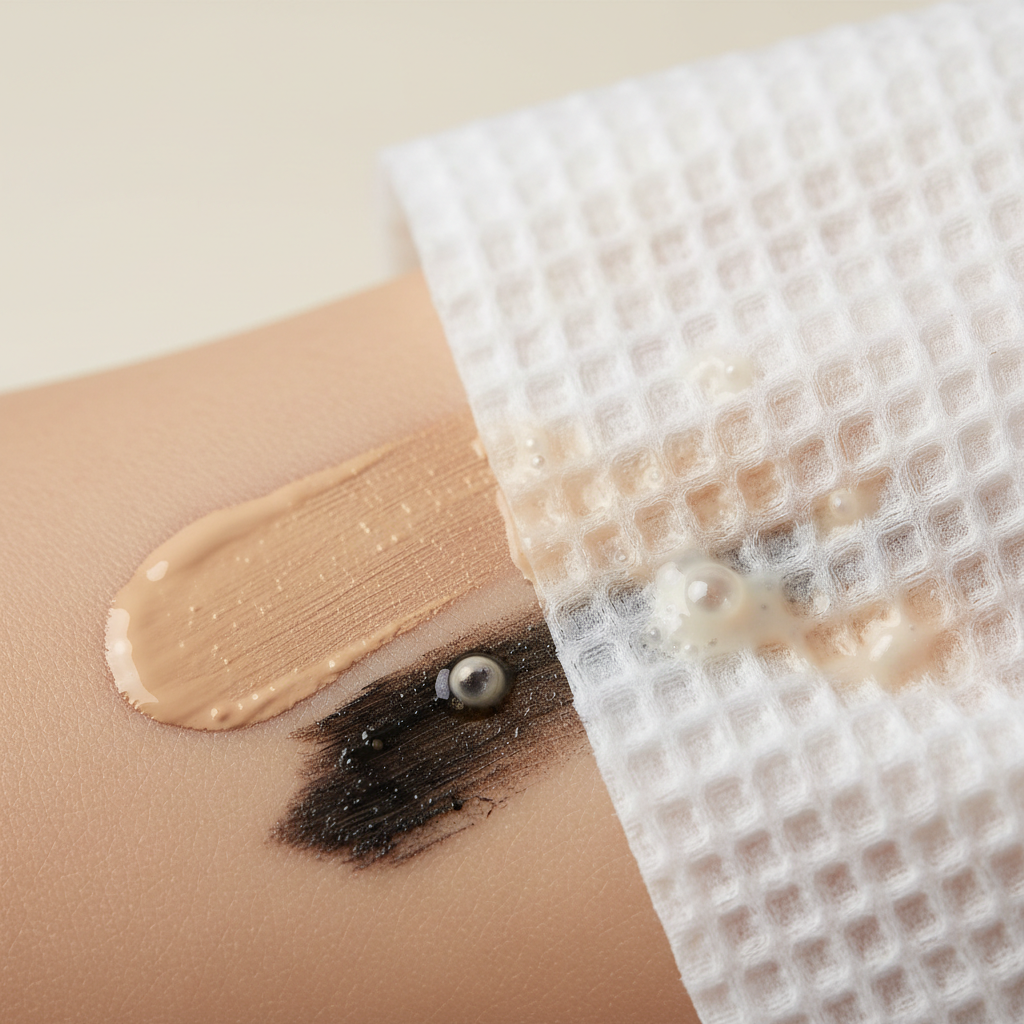
One more real-world cue: if a wipe leaves a slippery coating that makes your next step feel weird, it may contain heavier emollients. That can be pleasant for dry skin, but annoying if you plan to reapply SPF or makeup right after.
A quick self-check: which wipes are you actually shopping for?
People often buy wipes based on brand familiarity, then wonder why they disappoint on a trip. Use this checklist to narrow your “type” before you compare options.
- I wear waterproof mascara or tubing mascara most days → prioritize eye comfort and cloth texture, plan on a second step if needed.
- I wear mineral sunscreen or long-wear foundation → look for wipes that emulsify oils, not just foam.
- My skin stings easily after flights → fragrance-free and alcohol-free usually makes travel easier.
- I want wipes for emergencies, not daily cleansing → small packs with strong reseal win over “value size.”
- I break out from residue → choose a cleaner finish and plan to rinse when possible.
According to the U.S. Food and Drug Administration (FDA), cosmetic products should be used as directed and discontinued if irritation occurs. If your eyes burn or your skin reacts, switching formulas is more sensible than “pushing through it.”
How to use wipes on the road (so they work better and you rub less)
Even the best travel makeup remover wipes can underperform if you use them like a paper towel. A couple small technique tweaks make removal faster and usually gentler.
- Press, don’t scrub: Hold the wipe against mascara or lipstick for 10–20 seconds, then wipe away. This helps break down product so you drag less.
- Fold to a clean side: Once a section is loaded with makeup, refold. Smearing old product back on is the fastest way to feel “still dirty.”
- Follow with a quick rinse when you can: If you have a sink, splash water or use a gentle cleanser. Wipes are great, but they’re often a first step.
- Moisturize after flights: Cabin air can leave skin dry, so a simple moisturizer helps reduce the “tight wipe” effect.
If you’re removing eye makeup, keep your eyes closed and wipe outward, and if you wear contacts, many people find it more comfortable to remove contacts first. If you have ongoing eye irritation, it’s worth checking with an eye care professional.
Packing tips: stop leaks and dried-out wipes
Most travel wipe complaints come down to packaging failure. A few habits help your pack stay usable from day one to day ten.
- Choose a hardier closure: Flip-top lids or robust reseal stickers tend to survive better in bags.
- Store closure-side up: It sounds fussy, but it reduces seepage into the seal.
- Use a zip bag backup: Put wipes in a small zip-top bag, especially for flights or hot climates.
- Don’t leave wipes in a hot car: Heat can change texture and smell, and it can dry packs faster.
- Decant for ultralight travel: For weekend trips, move a few wipes into a travel container, but keep them tightly sealed so they don’t dry out.
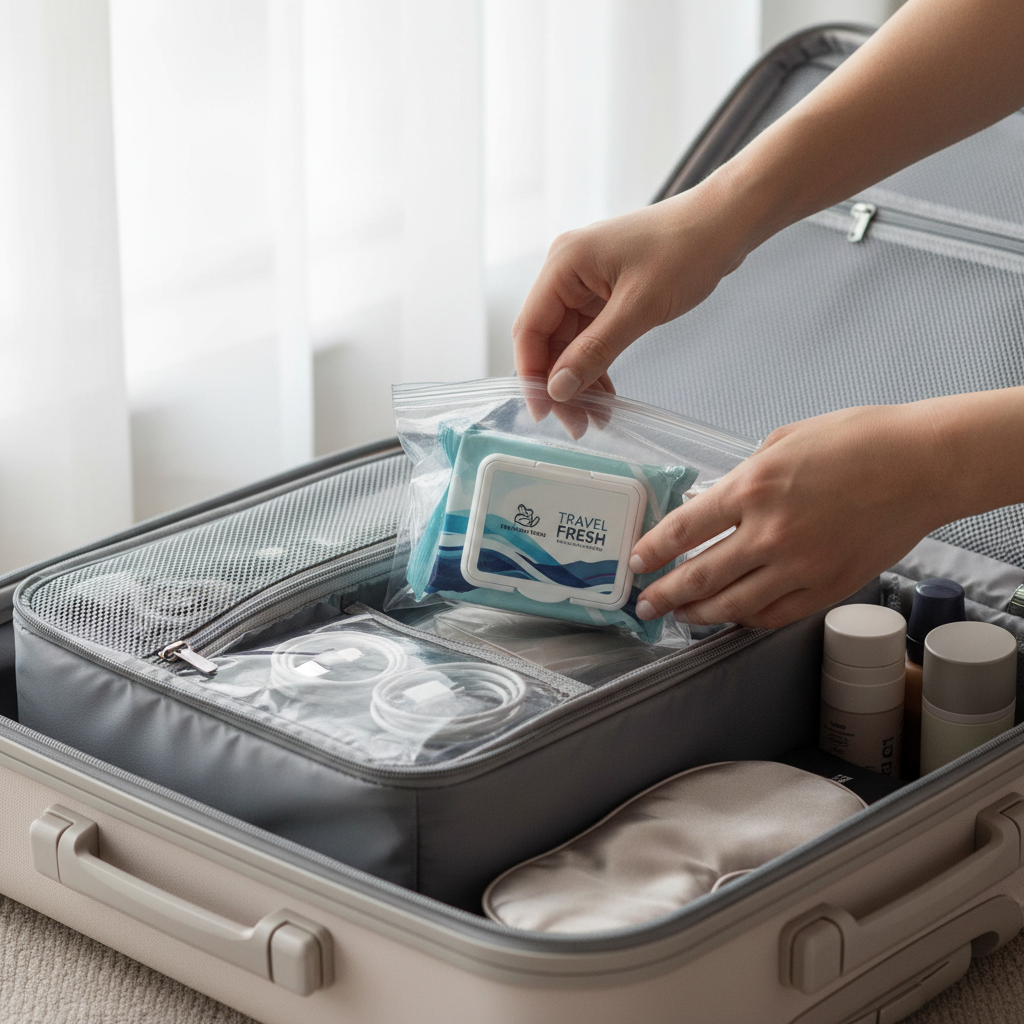
Small detail that saves trips: if the pack starts drying out, flip it over so the liquid redistributes. It won’t fix a fully dried packet, but it can rescue a “half-dry” one.
Common mistakes that make wipes feel “bad” (even when they’re fine)
Some wipes genuinely irritate or leave residue, but a few patterns make almost any wipe feel worse than it is.
- Using one wipe for everything: Base makeup, mascara, and lipstick on one sheet turns into a smear-fest. Use two when needed.
- Skipping the hairline and jaw: Residue builds up here, then you blame the wipe for breakouts later.
- Assuming “biodegradable” equals gentle: Material claims and skin feel are separate things.
- Relying on wipes as your only cleanse for a week: Many people do fine, but if you clog easily, you may need a real wash some nights.
According to the American Academy of Dermatology Association, gentle cleansing and avoiding aggressive rubbing can help reduce irritation, which is exactly what travel tends to provoke.
Conclusion: a simple way to choose in 2026
If you want one practical rule, pick wipes that match your skin’s “worst travel day,” not your best. For many people that means a sturdier reseal, a slightly thicker cloth, and a formula without heavy fragrance.
Action you can take today: check your current wipes’ closure and do a quick patch test on your jawline before your trip, then pack a backup zip bag so you don’t end up with dried sheets on day three.
Key takeaways
- Travel-ready wipes prioritize packaging durability, cloth texture, and eye comfort.
- Fragrance-free and alcohol-free options often work better for dry or reactive travel skin.
- Technique matters: press to dissolve makeup, then wipe, and refold to a clean side.
- Pack smart: zip-bag backup plus closure-side up prevents many leaks.
FAQ
What are the best travel makeup remover wipes for sensitive skin?
Many sensitive-skin travelers do better with fragrance-free, alcohol-free wipes and a soft cloth that removes makeup with fewer passes. If you’re very reactive, patch testing at home is a safer move than trying something new mid-trip.
Are makeup remover wipes okay for airplane carry-ons?
Wipes are generally easy for carry-ons because they’re not treated like liquid bottles in the same way, but screening can vary by situation. If you’re worried about leaks, keep them in a clear zip bag and pack them near the top.
Do wipes remove sunscreen well enough?
They can remove a lot of sunscreen, but heavy mineral formulas and water-resistant SPF often need either a second wipe or a follow-up rinse. If you’re acne-prone, a quick cleanse later can help reduce residue-related congestion.
Why do makeup wipes burn around my eyes?
Burning can come from fragrance, certain preservatives, alcohol, or simply too much rubbing on delicate skin. If irritation persists, stop using that product and consider checking with a professional, especially if your eyes stay red.
How do I keep travel wipes from drying out?
Pick a pack with a stronger closure, press the seal firmly after each use, and store it in a zip-top bag. Flipping the pack over between uses also helps redistribute liquid inside.
Are “biodegradable” wipes better for travel?
They can be convenient, but biodegradability claims don’t guarantee better performance or gentleness. Focus on how the wipe feels on skin and how well the packaging stays sealed during your trip.
Can I use makeup remover wipes as my only cleanser for a week?
Some people manage it, but many notice more texture or clogged pores, especially with heavy sunscreen. If you can, treat wipes as a first step and do a simple rinse or cleanse at least a few nights.
If you’re trying to simplify your travel routine, it helps to treat wipes as part of a small “system”: one reliable pack that won’t leak, a tiny moisturizer, and a plan for nights when you can rinse. If you need a more hands-off setup, building a repeatable travel kit list beats re-shopping before every trip.