
Best travel insurance for international trips usually comes down to one thing: the plan that matches your real risks, not the one with the flashiest marketing or the lowest price.
If you’re traveling from the U.S. in 2026, you’re probably juggling expensive nonrefundable bookings, tighter airline rules, and the uncomfortable truth that your domestic health insurance may not help much overseas. Travel insurance can be worth it, but only when you buy the right type, at the right time, with eyes open about exclusions.
This guide breaks down what to look for, how to compare plans quickly, and where people commonly misjudge coverage. You’ll also get a practical checklist and a comparison table you can use before you click “purchase.”
What “best” really means for international travel insurance in 2026
When people search for the best travel insurance for international trips, they often mean “the plan that will actually pay if something goes wrong.” That’s less about brand names and more about benefit design, policy wording, and whether your trip has big financial exposure.
In practice, “best” tends to look like one of these:
- Big, expensive trip (tour packages, cruises, business-class flights): higher trip cancellation/interruption limits and broader covered reasons.
- Remote or multi-country itinerary: stronger medical, medical evacuation, and 24/7 assistance.
- Older travelers or pre-existing conditions: plans with pre-existing condition waivers if purchased on time, and realistic medical limits.
- Unstable schedule (weddings, work uncertainty): add-on flexibility like Cancel For Any Reason where it makes financial sense.
Also, don’t ignore the boring stuff: claims process, documentation requirements, and how exclusions are written. That’s where “good coverage” quietly turns into “denied claim.”

Key benefits to compare (and the fine print that changes everything)
Most plans look similar on a quote page. The differences show up in definitions and sub-limits. Here are the benefits that usually matter most for U.S. travelers going abroad.
Trip cancellation and trip interruption
Focus on the total trip cost coverage limit, and confirm what counts as a “covered reason.” Many plans cover illness/injury, severe weather, certain family emergencies, jury duty, and some work-related issues, but the list varies.
- Cancellation: reimburses prepaid, nonrefundable costs if you can’t depart for a covered reason.
- Interruption: reimburses unused trip parts plus additional transport to get home, but documentation rules can be strict.
Emergency medical and evacuation
This is often where international coverage matters most. According to U.S. Department of State, Medicare generally does not cover medical care outside the United States, so travelers may need separate coverage.
- Emergency medical: pays for eligible treatment abroad, subject to exclusions and medical necessity rules.
- Medical evacuation: can help arrange and pay for transport to an appropriate facility, sometimes to the nearest capable hospital rather than “home.”
If you’re visiting places with limited hospitals, prioritize evacuation language and assistance services, not just a big dollar amount.
Travel delay, baggage delay, and missed connection
These benefits tend to be modest, but useful. Pay attention to:
- Delay trigger (for example, 3, 6, or 12+ hours)
- Daily cap and max cap
- Whether it covers meals and lodging, and what receipts you must keep
Cancel For Any Reason (CFAR) and Interruption For Any Reason (IFAR)
These upgrades can be helpful for high-cost trips when your main worry is uncertainty, not just classic covered reasons. But they often require buying soon after your initial trip deposit, covering most trip costs, and accepting partial reimbursement rather than full.
If you’re choosing between a pricey CFAR add-on and simply booking more refundable travel, do the math. Sometimes the “best” move is changing booking strategy, not adding insurance.
Quick comparison table: what to look for by trip type
Use this as a sanity check before you compare quotes. Limits and features vary by insurer and plan, so treat this as a planning tool rather than a promise of what every policy includes.
| Trip profile | Higher priority benefits | Common watch-outs |
|---|---|---|
| Expensive, mostly nonrefundable | Trip cancellation/interruption up to full trip cost; CFAR if uncertainty is high | CFAR purchase window; partial reimbursement; documentation rules |
| Multi-country, remote areas | Emergency medical; medical evacuation; 24/7 assistance | Evacuation destination wording; exclusions for certain activities |
| Family trip with kids | Trip delay; medical; flexible cancellation terms | Pre-existing condition rules; coverage for dependent family members varies |
| Older travelers | Medical limits; pre-existing condition waiver eligibility; interruption benefits | Stability period definitions; higher premiums; activity exclusions |
| Work + leisure (mixed) | Trip interruption; missed connection; delay coverage | “Work reasons” covered vs not covered; employer travel policy overlap |
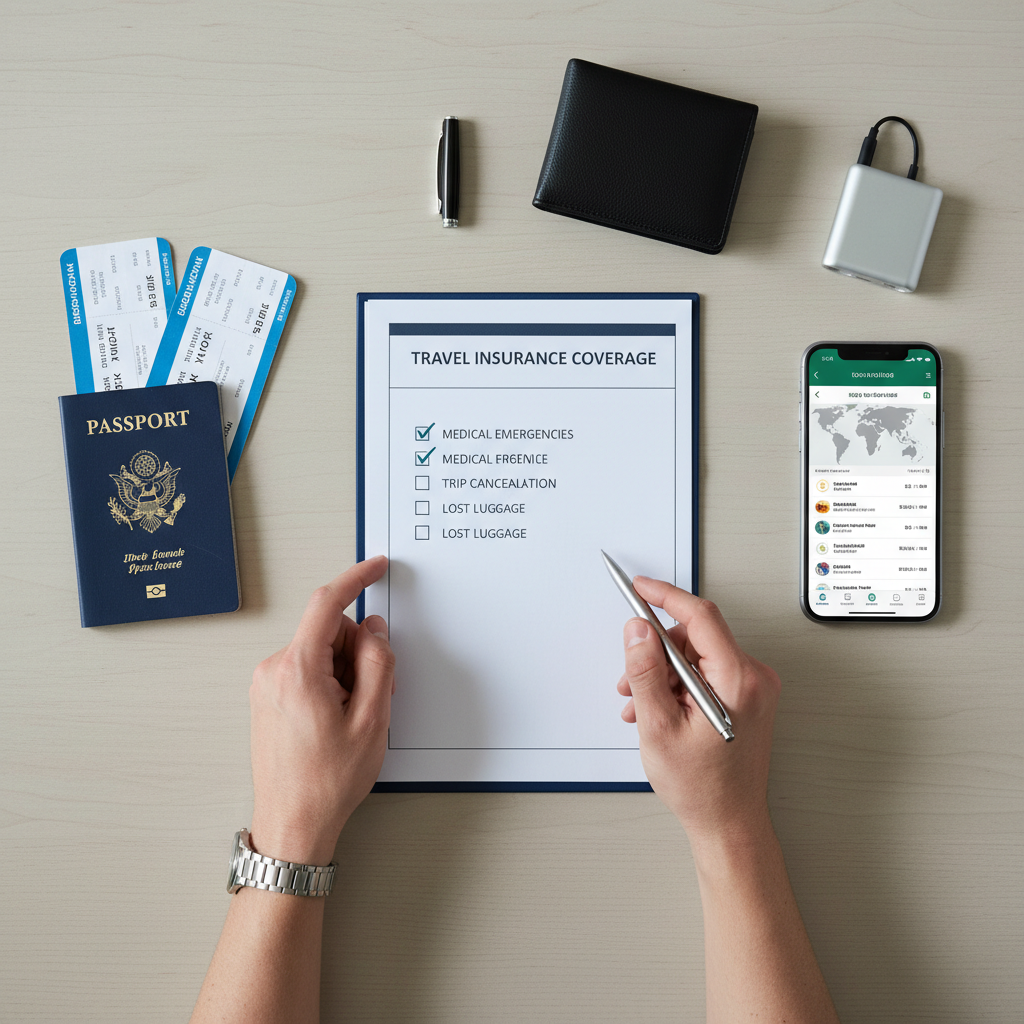
A self-check list: do you actually need travel insurance for this trip?
Not every trip needs a policy. The best travel insurance for international trips is sometimes “none,” especially when your financial downside is small. Run through this list quickly.
- Your prepaid, nonrefundable costs are meaningful (if losing it would hurt).
- You’re relying on tight connections or traveling during weather-disruption seasons.
- You’re going where care is expensive or where you’d want evacuation options if something happens.
- You have health variables (ongoing conditions, recent changes, or you’re unsure how your U.S. plan behaves overseas).
- Your trip is long, includes multiple stops, or you can’t easily “reset” if a leg gets disrupted.
- You’re bringing costly gear and you’d care about theft/damage coverage, even if limits are modest.
If you answered “yes” to two or more, you’re usually in the zone where comparing policies is worth your time.
How to choose a plan step-by-step (without getting lost)
Quote pages can make everything look like a spreadsheet game. This is the workflow that tends to keep people out of trouble.
1) Price your “trip cost” correctly
Trip cancellation typically reimburses prepaid, nonrefundable amounts. Don’t inflate it, but don’t understate it either, because underinsuring can cap what you can claim.
- Include: nonrefundable flights, prepaid hotels, tours, cruise fare, event tickets if nonrefundable
- Usually exclude: meals you haven’t prepaid, refundable bookings, spending money
2) Decide what you’re protecting: money, health risk, or flexibility
Money protection pushes you toward stronger cancellation/interruption. Health risk pushes you toward medical and evacuation. Flexibility pushes you toward CFAR or more refundable bookings.
3) Check pre-existing condition waiver rules early
This is a common “wish I knew” item. Many plans offer a waiver if you buy within a specific window after your first trip payment and meet other criteria. If this matters for your situation, read the waiver requirements carefully and consider discussing your scenario with a licensed agent or the insurer’s support team.
4) Scan exclusions that commonly affect international trips
- Adventure activities (some plans exclude certain sports or require add-ons)
- Alcohol or substance-related incidents
- High-risk destinations or travel against government advisories
- Mental health coverage limits vary widely
5) Look at claims practicality, not just benefits
Even the best travel insurance for international trips can disappoint if you can’t produce the paperwork they require. Aim for a plan whose claims steps you can realistically follow while traveling.
- Does the insurer offer an app or digital claims?
- Are receipts and written statements required for delays?
- Is there clear guidance for getting pre-authorization for some services?
Common mistakes that make “good” coverage useless
Most travel insurance frustration comes from assumptions. Here are the patterns that show up again and again.
- Buying too late: missing waiver windows or buying after a storm is named, making weather-related issues tricky.
- Assuming any reason means any reason: CFAR has rules, and it often pays a percentage, not 100%.
- Confusing travel medical with health insurance: networks, pre-approval, and medical necessity language can be very different.
- Ignoring sub-limits: baggage coverage might sound high, but per-item caps can be low.
- Not calling assistance early: some benefits work better when the assistance team coordinates care or transport.
According to Centers for Disease Control and Prevention (CDC), travelers should plan for how they will get medical care abroad; insurance and assistance services can be part of that planning, but you still need to understand what your policy requires.

Practical tips for using your policy during a trip
This part is unglamorous, but it’s where you save the most time if something happens.
- Save documents in two places: a cloud folder plus offline access on your phone.
- Keep proof of delay: airline notifications, screenshots, and written statements when available.
- Call assistance before expensive decisions: especially for hospitalization, evacuation, or complex rerouting.
- Track names and timestamps: who you spoke to, what they advised, and when.
- Don’t throw away receipts: even small purchases can matter for delay reimbursement.
If you’re dealing with injury or illness, coverage decisions can be sensitive and case-specific. It’s usually safer to ask the insurer what’s required and consider consulting a qualified medical professional for care decisions.
Conclusion: picking the best plan without overbuying
The best travel insurance for international trips is the one that protects your biggest downside: losing nonrefundable money, getting stuck abroad with medical bills, or needing the flexibility to change plans. Start with your trip profile, compare a few policies side by side, then read the exclusions like you’re trying to prove yourself wrong.
If you want a simple next step, choose two or three plans, confirm medical and evacuation details, then verify cancellation rules and documentation requirements before purchasing.
FAQ
What is the best travel insurance for international trips from the USA?
It depends on your risk: expensive nonrefundable bookings usually need stronger cancellation/interruption, while remote itineraries often justify higher medical and evacuation coverage. The “best” plan is typically the one whose covered reasons and exclusions match your situation.
Does travel insurance cover medical care overseas?
Many plans include emergency medical benefits, but what’s covered can depend on medical necessity, exclusions, and whether pre-authorization is required for certain services. If you have health concerns, it may help to confirm details with the insurer before buying.
Is CFAR worth it for international travel in 2026?
CFAR can make sense for high-cost trips when uncertainty is the main issue, but it often reimburses only a percentage and comes with strict purchase timing. If your bookings are already flexible, CFAR may be unnecessary.
Will my credit card travel insurance be enough?
Some premium cards include useful protections like trip delay or rental car coverage, but medical and evacuation benefits may be limited or absent. Compare your card’s guide to benefits against what you actually need for the trip.
How much travel medical coverage should I get for an international trip?
There isn’t one universal number. Consider destination costs, length of trip, planned activities, and your personal risk tolerance, then pick a level that wouldn’t leave you uncomfortable if care is needed. Evacuation terms can matter as much as the limit.
What documents do I need to file a travel insurance claim?
Often you’ll need receipts, proof of payment and nonrefundability, provider notes for medical claims, and written proof of delays or cancellations from the travel supplier. Keeping a simple folder on your phone during the trip usually helps.
When should I buy international travel insurance?
Many travelers buy shortly after making the first trip payment, especially if they want eligibility for certain waivers or upgrades. Buying early also helps avoid confusion around known events that can affect coverage.
Does travel insurance cover pre-existing conditions?
Some plans may cover them through a pre-existing condition waiver if you meet timing and eligibility requirements. Because definitions vary, it’s smart to read the waiver language carefully and ask questions before you commit.
If you’re planning a complicated itinerary, traveling with health considerations, or just want a more hands-off way to compare options, a licensed travel insurance advisor or a reputable comparison platform can help you narrow to a short list without guessing at the fine print.