
Best countries to visit for first time usually come down to three things you can feel on day one: easy logistics, low stress getting around, and enough variety that you don’t regret spending your limited PTO there.
If you’re traveling from the U.S., 2026 planning adds a few extra wrinkles, flight pricing swings, entry requirements can shift, and overtourism can change the “easy” vibe of a place faster than you’d think. Picking a first trip is less about chasing the most famous photos and more about stacking the odds in your favor.
This guide narrows the shortlist with practical criteria, then gives you a table you can scan in one minute, plus simple trip-building steps so you can go from “maybe” to a booked itinerary without overcomplicating it.

How to choose a first-time country without overthinking it
When people say they want a “beginner-friendly” destination, they usually mean they want fewer surprises. So instead of ranking countries like a contest, use a quick filter that matches your tolerance for friction.
- Language comfort: You don’t need English everywhere, but you do want clear signage, workable translation apps, and tourist infrastructure.
- Transit ease: Trains, metros, and reliable intercity routes matter more than you expect on a first trip.
- Time zone and flight length: Jet lag can erase the first two days, especially on short trips.
- Safety and scams: No place is “zero risk,” but some destinations require less street-smarts up front.
- Budget predictability: Places with clear pricing and fewer hidden fees feel calmer.
According to U.S. Department of State, travelers should review current travel advisories and local safety guidance before departure, even for popular tourist destinations.
Quick comparison table: top picks for 2026 first-time travelers
This table is meant to help you decide fast. The “best” option is the one that fits your trip length, comfort level, and what you actually want to do each day.
| Country | Why it’s beginner-friendly | Best for | Watch-outs |
|---|---|---|---|
| Canada | Easy entry for many U.S. travelers, familiar culture, strong cities + nature | First international trip, road trips, national parks | Weather swings, distances look shorter than they feel |
| UK | English, dense sights, solid rail network | History, museums, first Europe trip | London costs, variable weather |
| Ireland | Friendly tourism setup, great self-drive routes | Scenic countryside, pubs, coastal hikes | Driving on the left, rural roads can feel tight |
| Portugal | Comfortable pace, good value in many areas, easy city breaks | Food, beaches, first-time Europe without rush | Summer crowding in hotspots |
| Spain | Fast trains, strong city-to-city routes, lots of “ready-made” itineraries | Culture + nightlife + architecture | Pickpocket risk in tourist cores |
| Japan | Extremely organized transit, clear tourism systems, high comfort | Food, cities, safe solo travel | Etiquette learning curve, long flight from U.S. |
| Singapore | English widely used, clean and efficient, easy stopover hub | Short Asia intro, food courts, family trips | Costs can add up, strict rules |
| New Zealand | Low-stress travel culture, epic scenery, simple logistics | Nature-first trips, campervan routes | Long travel time, weather microclimates |
The best countries to visit for first time (and what each does well)
If you’re deciding between a few, this is the human part: what you’ll actually enjoy at 9 a.m., after a late dinner, with tired feet and a phone battery at 18%.
Canada: the easiest “first stamp” from the U.S.
Canada makes a lot of first-time travelers relax because it feels familiar while still being meaningfully different. Cities like Vancouver, Montreal, and Toronto are straightforward, and nature is never far.
- Go if: you want a low-friction trip and a mix of city + outdoors.
- Plan around: distances, seasonal weather, and national park reservations when applicable.
UK or Ireland: English, history, and easy route-building
The UK is almost plug-and-play for an American first-time trip: signage, museums, and trains do a lot of work for you. Ireland feels a bit slower and often suits a road trip mindset.
- Go if: you like castles, literature, live music, and day trips that don’t require complicated planning.
- Plan around: lodging costs in peak areas and the left-side driving adjustment.

Portugal or Spain: friendly first Europe trips with strong value (in many cases)
Portugal often feels gentle for a first international experience: smaller scale, good food culture, and a pace that doesn’t punish you for taking it slow. Spain can be a bit louder and later-night, but the train system makes multi-city trips feel manageable.
- Go if: you want Europe without needing a hyper-packed itinerary.
- Plan around: heat and crowds in summer, and basic anti-theft habits in tourist zones.
Japan: structured, safe, and incredibly rewarding
Japan is far, but the clarity of how things work often makes it easier than some closer destinations. Transit is the backbone of the trip, and convenience stores, signage, and city design reduce daily decision fatigue.
- Go if: you value cleanliness, food quality, and efficient sightseeing days.
- Plan around: flight length, etiquette basics, and whether a rail pass or regional passes make sense for your route.
According to Japan National Tourism Organization (JNTO), travelers should confirm entry procedures and local guidance before travel, as requirements can change.
Singapore: a soft landing in Asia
Singapore works well as a first-time Asia trip because it’s compact and navigable, with English widely used. It also pairs naturally with nearby destinations if you want a two-country itinerary without chaos.
- Go if: you want a short, polished trip with great food and minimal logistics.
- Plan around: costs for hotels and attractions, plus local regulations you should respect.
New Zealand: nature-first, low-stress, but not short
New Zealand is a dream if your idea of travel is scenic drives, hikes, and small towns. The only catch is time: it’s a long haul from the U.S., so it fits best when you can stay longer.
- Go if: you want a “big nature” trip that still feels organized.
- Plan around: shifting weather, road safety, and booking early in peak season.
Self-check: which type of first-time traveler are you?
Before you pick from any “best countries to visit for first time” list, it helps to be honest about how you travel when you’re tired or stressed. This quick check usually clarifies the choice.
- I want comfort and familiarity: Canada, UK, Ireland.
- I want Europe, but not constant rushing: Portugal, Spain (choose fewer cities).
- I want a highly structured trip: Japan, Singapore.
- I want landscapes more than museums: New Zealand, Canada.
- I’m nervous about language barriers: UK, Ireland, Canada, Singapore, and Japan with translation apps.
If you have medical considerations, mobility needs, or anxiety about crowds, it may help to run your itinerary by a qualified professional or your healthcare provider, because comfort planning can be as important as sightseeing.
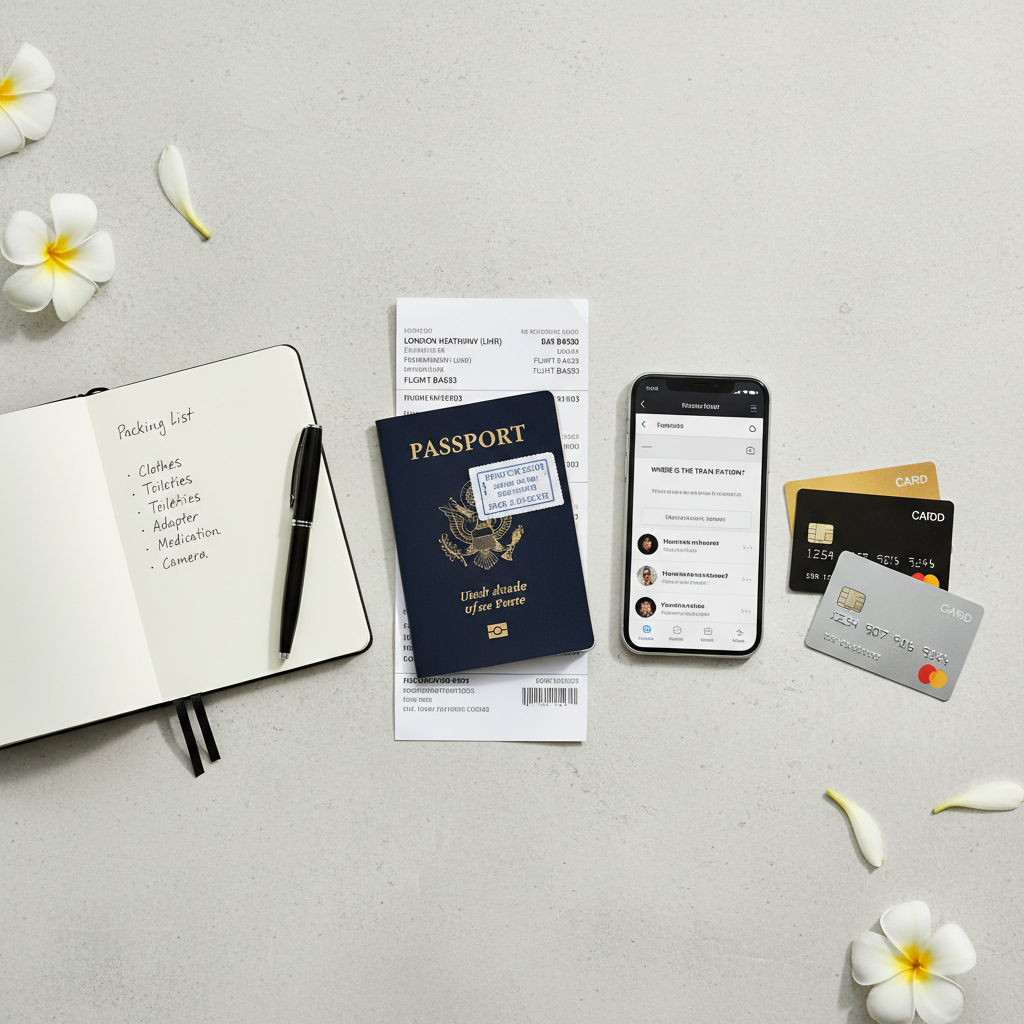
Practical planning steps that make a first trip smoother
This is the part people skip, then regret. A few small decisions up front can prevent the classic first-time spiral: too many cities, too many transfers, too little sleep.
Keep the route simple
- For 5–7 days: 1 city + day trips, or 2 cities max with a direct train.
- For 8–12 days: 2–3 bases, build in a slower “buffer” day.
- For 13+ days: you can add variety, but keep transfers meaningful, not just for bragging rights.
Book the “stress points” first
- Flights that avoid brutal connections
- First two nights of lodging in a central area
- Any timed-entry attractions that sell out
Set one daily anchor
Pick one must-do per day, then let the rest stay flexible. That single anchor helps you avoid the feeling that you’re constantly behind schedule.
According to U.S. Customs and Border Protection (CBP), travelers should confirm document requirements and re-entry expectations before international travel, especially when connecting through multiple airports.
Common mistakes first-time travelers make (and how to avoid them)
- Trying to “see it all”: Choose fewer places, stay longer, your trip feels better and photos still happen.
- Underestimating transit time: Door-to-door includes getting to stations, navigating platforms, and checking in.
- Ignoring neighborhood choice: A cheaper hotel far out can cost you time, energy, and rideshares.
- Overpacking: If you can’t carry it up stairs or onto trains, it becomes a daily tax.
- Skipping basic safety habits: Keep valuables close in crowds, use reputable transport, and trust your instincts.
Safety conditions can vary by city and even neighborhood. If you’re unsure, check official guidance and consider asking a travel advisor who tracks current conditions.
Conclusion: pick the country that matches your “travel personality”
The real trick with best countries to visit for first time is choosing a place that makes you feel capable early in the trip, once that confidence clicks, you can handle more complexity later. For many Americans, Canada, the UK, Ireland, Portugal, Spain, Japan, Singapore, and New Zealand remain strong 2026 picks because they reduce friction and reward simple itineraries.
If you want one action step: pick two countries from the table, then price flights for two different months and see which option gives you better flight times and hotel value, that small comparison often makes the “right” choice obvious.