
Bird watching travel spots are easiest to choose when you stop chasing “the best place” and start matching a destination to your season, target species, mobility needs, and tolerance for crowds. This guide does that work with you, so you can plan a trip that feels realistic, not aspirational.
A lot of birding trips go sideways for simple reasons: you arrive a week after peak migration, you pick a refuge that requires long walks you did not plan for, or you underestimate how fast weather changes on coasts and in deserts. None of that is “user error,” it is just how birding travel works.
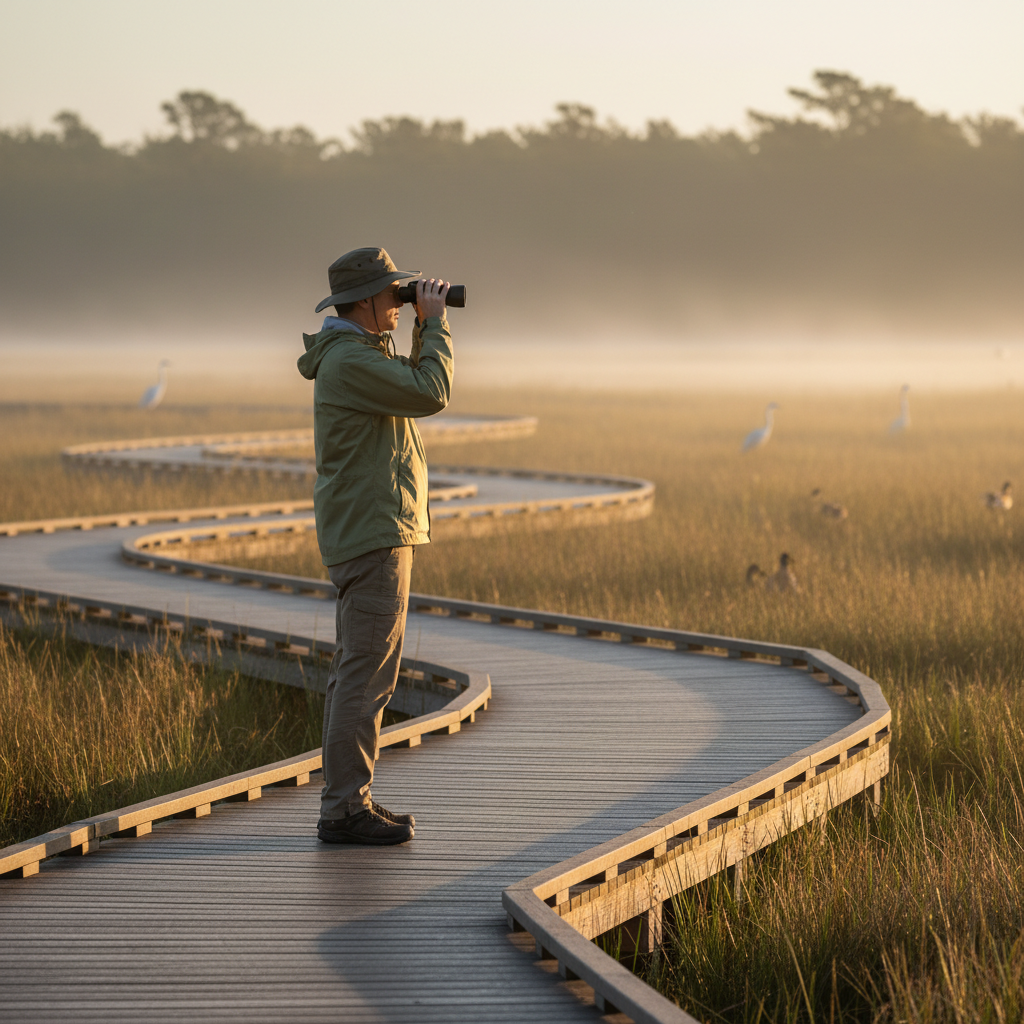
Below you will find a short planning checklist, a practical comparison table, and a curated set of U.S. and nearby destinations that birders often rate highly for access and species variety. I will also flag common misreads, like “great in spring” not meaning “great any day in spring.”
How to pick a trip that actually matches your birding goals
Before you look at maps, decide what a “good” day means for you: lifers, photography, family-friendly boardwalks, or a quiet morning with mixed flocks. The same location can be perfect for one goal and frustrating for another.
- Season first, destination second: migration windows can be narrow, and local breeding seasons vary by latitude and elevation.
- Habitat variety beats hype: spots with wetlands + woods + grassland edges usually deliver more species in less time.
- Access matters: some “famous” areas require long drives on rough roads, others have short loops, blinds, and tram tours.
- Crowd tolerance is a factor: popular hotspots can feel busy during festivals and peak weeks, especially on weekends.
According to U.S. Fish & Wildlife Service, observing wildlife from a respectful distance helps reduce stress on animals and keeps people safer, which is especially relevant around nesting colonies and raptor perches.
Quick self-check: which type of birder trip are you planning?
If you answer these quickly, you will narrow the universe of bird watching travel spots in minutes, not hours.
- I have 1–2 days: choose an urban refuge, coastal estuary, or well-managed state park near an airport.
- I want shorebirds and waterfowl: prioritize tidal flats, managed impoundments, and big-lake shorelines.
- I want warblers/songbirds: target spring migration bottlenecks and riparian corridors.
- I want raptors: look for ridge lines, hawk watches, or open-country wintering grounds.
- I need easy trails: pick places known for boardwalks, auto loops, visitor centers, or tram access.
- I’m traveling with non-birders: choose destinations with beaches, scenic drives, or museums nearby.
Comparison table: standout destinations and what they’re best at
This table is not a ranking, it is a “fit guide.” You can use it to build a short list, then check current reports (eBird, refuge updates, local birding groups) right before booking.
| Destination | Best season (typical) | Best for | Access style |
|---|---|---|---|
| Rio Grande Valley, TX (South Padre, Santa Ana NWR area) | Spring + winter | South Texas specialties, migrants | Short trails, some boardwalks, multiple sites |
| Everglades, FL | Winter | Wading birds, raptors, easy sightings | Roadside pull-offs, short walks, visitor areas |
| Magee Marsh, OH (Lake Erie) | Spring (peak varies) | Warblers at eye level | Boardwalk, can be crowded at peak |
| Monterey Bay, CA | Fall to spring | Seabirds, pelagic trips, coastal species | Coastal overlooks + boat options |
| Cape May, NJ | Fall | Migration concentration, raptors, songbirds | Multiple parks, hawk watch points |
| San Pedro Riparian, AZ (SE Arizona region) | Spring + summer (monsoon) | Desert + riparian mix, hummingbirds | Trail networks, some heat exposure |
Top U.S. birding destinations (and how to work each one)
These are bird watching travel spots many enthusiasts build trips around because they combine species density with predictable “birding structure,” meaning you can bird well without needing a private ranch gate code or an all-day hike.
Rio Grande Valley, Texas: high species turnover and “specialty” birds
South Texas is a classic for a reason: even casual roadside birding can produce a mix of tropical edge species and migrants. Many sites are close together, so you can adjust plans when winds shift or rain moves in.
- Plan: cluster sites by geography to reduce drive fatigue, morning for woodland edges, afternoon for wetlands.
- Expect: fast-moving birding, and “micro-hotspots” where one trail can be hot and the next quiet.
- Don’t miss: a mix of feed stations, riparian patches, and coastal flats rather than only one habitat.
Everglades, Florida: winter is the sweet spot for comfort and visibility
In many cases, winter brings lower humidity and easier viewing as water levels concentrate birds. You can also combine boardwalk-style birding with scenic drives and short stops, which helps if your group has varied energy levels.
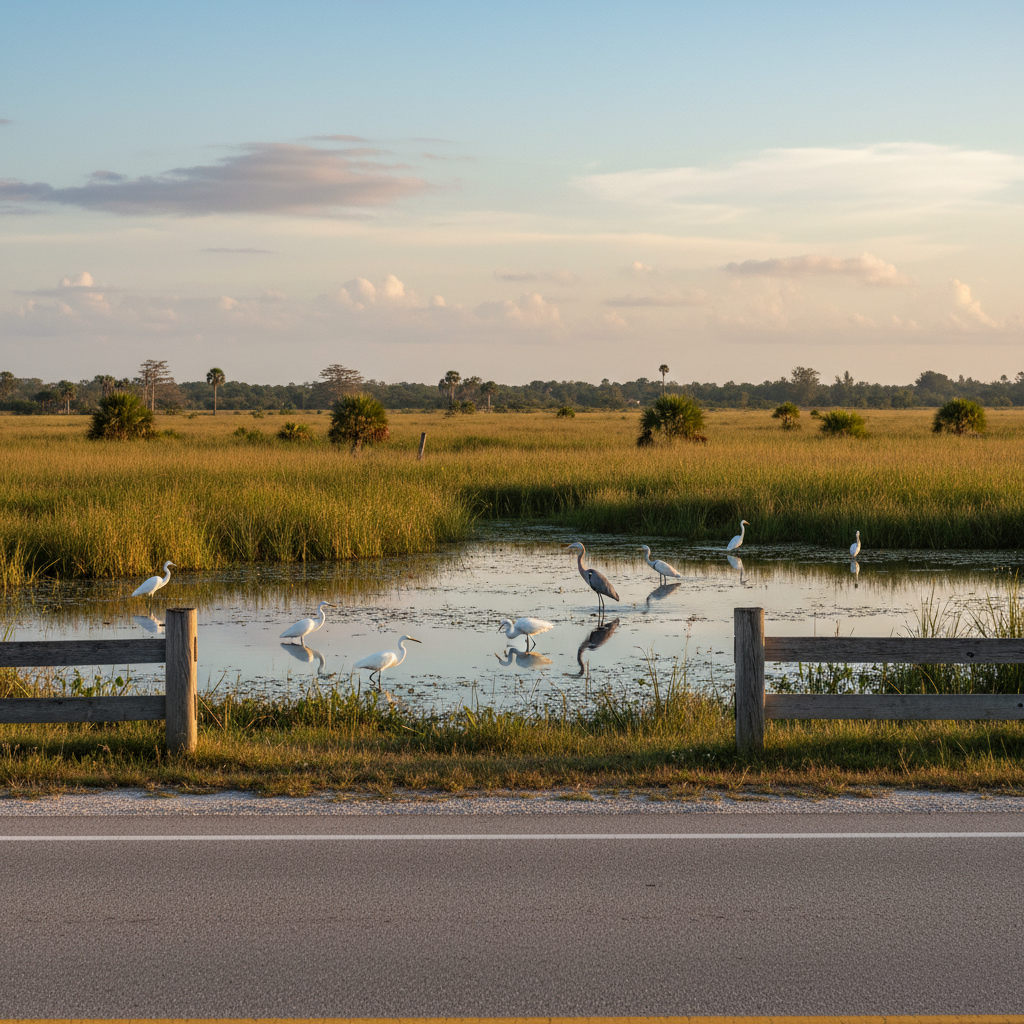
- Plan: early starts for calmer air and better light, then rotate between short walks and drive-and-scan stops.
- Expect: mosquitoes can still appear in warm spells, pack repellent and light layers.
- Watch-outs: keep distance from wildlife, especially along canal edges, and follow posted guidance.
Magee Marsh (Lake Erie), Ohio: spring warblers with a boardwalk advantage
If you want a “warbler weekend,” Magee Marsh is one of the more approachable places to do it. The boardwalk makes it friendly for different mobility levels, but peak days can feel packed.
- Plan: arrive very early on weekends, or choose weekdays if your schedule allows.
- Expect: rapid movement and short viewing windows, patience matters more than perfect gear.
- Pro tip: bring a small notebook or use a checklist app, warbler days blur together fast.
Cape May, New Jersey: fall migration, hawk watches, and “birdy” weather
Cape May earns its reputation as a migration funnel, with plenty of places to bird without long drives. It’s also an easy destination for a mixed-interest trip because towns, food, and beaches sit close to key sites.
- Plan: split days between morning songbird habitat and afternoon hawk watch points.
- Expect: strong winds can be great for certain movements but challenging for photography.
Monterey Bay, California: seabirds and pelagic options for enthusiasts
Monterey is a good fit if your “wish list” includes alcids, shearwaters, and other ocean-going species. Shoreline birding can be productive, and pelagic trips add another layer, but seasickness risk is real.
- Plan: check marine forecasts and pick an operator with clear safety practices.
- Expect: cool, windy conditions even when inland temperatures look warm.
- Health note: if you are prone to motion sickness, consider asking a pharmacist or clinician about options.
Southeast Arizona (San Pedro Riparian and nearby): desert meets riparian richness
This region rewards birders who like edges: cottonwood-lined water corridors near open desert. Timing can be nuanced, with different peaks in spring and during monsoon-related activity.
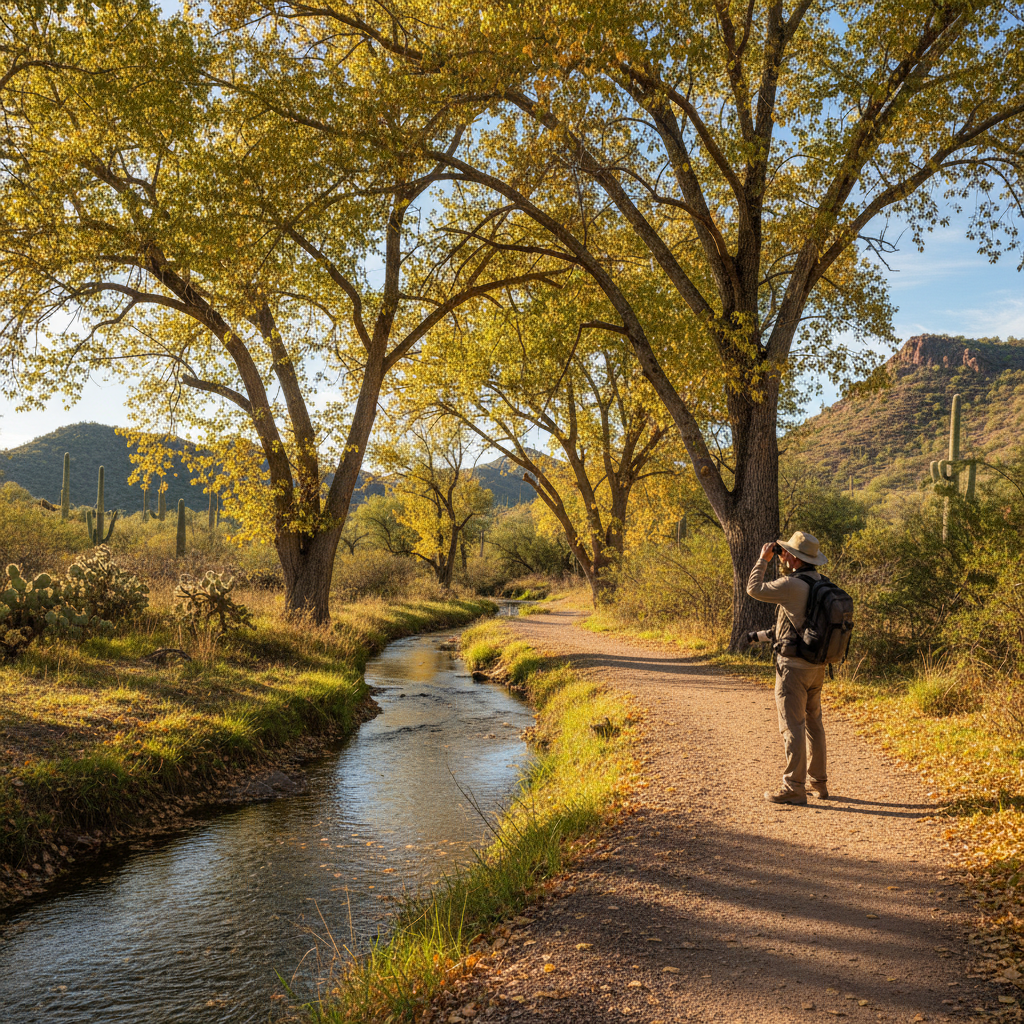
- Plan: early mornings, carry more water than you think, and build shade breaks into your route.
- Expect: heat exposure in warmer months, choose trails that match your comfort level.
- Don’t overdo it: elevation changes can sneak up on visitors coming from sea level.
Practical itinerary templates (steal these and adapt)
These skeleton plans work in most bird watching travel spots, even if the exact birds change. The goal is to reduce decision fatigue, so you spend more time scanning and less time reloading maps.
Template A: 48-hour “big variety” weekend
- Day 1 sunrise–10am: primary habitat (marsh, riparian, or coastal flats), focus on active feeding areas.
- Late morning: visitor center loop or shaded trail, slow birding, track misses from earlier.
- Afternoon: scenic drive with pull-offs, raptors and waterbirds, easier pace.
- Day 2: return to the most productive habitat, then add one “new habitat” stop before leaving.
Template B: photography-forward day
- Golden hour: pick one predictable location, avoid constant relocation.
- Midday: switch to behavior shots at feeders, rookery edges, or sheltered ponds.
- Late afternoon: backlight-friendly viewpoints, silhouettes, flight lines, shore roosts.
Common mistakes that quietly ruin birding travel
- Overstuffing the map: too many stops means you arrive everywhere at the wrong time of day.
- Ignoring wind direction on coasts: it can change where birds concentrate and how comfortable you feel.
- Trusting “year-round” labels: year-round birds still have seasonal behavior shifts, some months are simply easier.
- Not budgeting for re-tries: weather happens, a smart trip leaves one flexible morning uncommitted.
- Standing too close: flushing birds lowers your viewing time and can be harmful during nesting.
According to National Park Service guidance, keeping distance from wildlife and staying on designated trails helps protect both visitors and animals, and it often improves your birding because birds behave more naturally.
When it’s worth getting local help (and what “help” looks like)
Sometimes the best upgrade is not a longer lens, it is local context. A half-day guide, a hotspot walk with an Audubon chapter, or even a short chat at a visitor center can prevent wasted hours.
- Consider a guide if: you are targeting a short list of specialty birds, you have one day only, or access rules feel confusing.
- Consider local meetups if: you want better ID skills, or you prefer a relaxed pace without heavy planning.
- Check ahead: permits, reservation systems, and seasonal closures can change year to year.
Key takeaways before you book anything
If you remember only a few things, make them these: pick a season window you can actually hit, prioritize habitat variety, and leave space for weather. The “right” bird watching travel spots are often the ones that fit your time and energy, not the ones with the loudest reputation.
Action you can take today: choose one destination from the table, then look up recent sightings and access notes for two backup sites nearby, so your trip still works even if one area goes quiet.
FAQ
What are the best bird watching travel spots for beginners in the U.S.?
Places with boardwalks, auto loops, and visitor centers tend to be friendlier, think well-managed wetlands and coastal parks. You will usually see more birds with less hiking, and you can ask staff about current conditions.
How far in advance should I plan a migration trip?
For popular spring and fall weeks, booking lodging a few months ahead is often safer, but keep your birding schedule flexible inside that window. Migration peaks vary with weather, so build in “try again” time.
Are pelagic birding trips worth it if I get motion sickness?
They can be, but it depends on sea state and your sensitivity. Start with a shorter trip, check forecasts, and consider asking a pharmacist or clinician about prevention options that fit your health situation.
How do I avoid crowds at famous hotspots like Cape May or Magee Marsh?
Weekdays help, and arriving early matters more than people expect. Also consider nearby secondary sites, you often get similar habitat and a calmer experience a short drive away.
What gear is “enough” for a birding travel weekend?
Binoculars you trust, comfortable footwear, water, sun protection, and a simple way to track sightings usually cover it. A camera is optional, and a field guide app can reduce guesswork when you’re tired.
What’s the safest way to bird around nesting colonies or rookeries?
Use designated viewing areas, keep your distance, and leave if birds show agitation. If signage conflicts with what other visitors do, follow the posted rules rather than the crowd.
How can I tell if a destination will be good in a specific week?
Check recent reports on platforms like eBird and local birding social groups, then cross-check with refuge or park updates for closures. If reports look thin, pick a nearby habitat alternative rather than forcing it.
If you’re planning bird watching travel spots with limited time, or you want a trip that balances lifers with comfort, it can help to build a simple “two-site backup plan” and confirm access rules before you lock in lodging.