
how to stay healthy in bali for tourists starts with a simple mindset shift: assume your body needs a few days to adjust, then plan your food, water, sun, and transport choices accordingly.
A lot of travelers only think about “Bali belly,” but most vacation-ruining problems come from a handful of predictable situations, tap water ice, long scooter days in heat, mosquito-heavy evenings, and minor cuts that get irritated in humid weather.
This guide keeps it practical, what tends to matter most in real tourist routines, how to self-check your risk, what to pack, what to do if you feel off, and when it makes sense to talk to a clinician.

What usually makes tourists sick in Bali (and why it’s common)
Most issues aren’t mysterious, they’re normal travel stressors plus a new climate and different hygiene standards. You can’t control everything, but you can reduce exposure.
- Food and water changes: new bacteria profiles, different kitchens, and accidental tap-water exposure through ice, rinsed produce, or brushing teeth.
- Heat and humidity: dehydration sneaks up fast, then you add a long day outdoors and a couple cocktails, the headache arrives later.
- Mosquito bites: often worse at dusk, around standing water, and in gardens, bites are annoying, and in some places they carry illness.
- Road risks: scooters look convenient, but traffic patterns, road conditions, and helmet fit matter more than people expect.
- Minor skin problems: small scrapes, blisters, and sunburn can get inflamed faster in humid environments.
According to the CDC, travelers should pay close attention to food and water safety, insect bite prevention, and routine vaccinations when visiting Indonesia.
Quick self-check: what kind of “healthy in Bali” plan do you need?
Not everyone needs the same level of caution. Use this as a fast sorting tool before you land, or on day one.
A simple risk checklist
- You get stomach upset easily when traveling, or you use antacids/PPIs regularly.
- You plan to eat mostly at night markets, street stalls, or very local warungs.
- You’ll ride scooters daily, especially at night or in rain.
- You’ll spend long hours outdoors, hikes, beach clubs, surf lessons.
- You have asthma, diabetes, immune suppression, or a history of severe allergies.
- You’re pregnant, traveling with kids, or supporting an older parent on the trip.
If several items hit, your goal isn’t to be anxious, it’s to be deliberate: safer water habits, stricter sun protection, and a clearer “what we do if symptoms start” plan.
Food and water: avoid Bali belly without skipping all the fun
how to stay healthy in bali for tourists often comes down to water discipline more than “never eat local food.” Many people do fine at popular warungs, they just get caught by ice, rinsed fruit, or a questionable buffet sitting in heat.
Water rules that save trips
- Drink sealed bottled water or reliably filtered water from reputable lodging.
- Be picky about ice: in tourist areas, many places use commercially produced ice, but when you’re unsure, skip it.
- Teeth brushing: if you’re sensitive, use bottled water for brushing the first few days.
- Hot drinks are usually safer: coffee or tea made with boiling water tends to reduce risk.
Eating out, a practical approach
- Choose spots with high turnover, busy kitchens often mean fresher ingredients.
- Prefer cooked-to-order meals over food that sits warm for a long time.
- Be cautious with raw salads and peeled fruit you didn’t peel yourself, especially early in the trip.
- Go easy on “challenge foods” on day one, extra spicy, very rich, or unfamiliar seafood when you’re already tired.
If you do get diarrhea, hydration matters more than hunting for the perfect meal plan. According to the World Health Organization (WHO), oral rehydration solution helps prevent dehydration from diarrhea, which is often the main danger in otherwise healthy adults.
Heat, sun, and hydration: the boring stuff that prevents day-three crashes
Bali heat feels pleasant until it doesn’t. Many travelers underestimate sweat loss because the breeze at the beach hides it.
A hydration routine that actually sticks
- Start the day with water before coffee, then keep a bottle with you.
- If you sweat heavily, consider electrolytes once daily, especially after surfing, hiking, or long scooter rides.
- Watch for early signs: darker urine, headache, unusual fatigue, lightheadedness.
Sun strategy, not just sunscreen
- Use broad-spectrum SPF, reapply, and add shade breaks around midday.
- Wear a hat and UV shirt for long exposure, it’s often easier than constant reapplication.
- After a burn, cool showers and gentle moisturizer help, but severe blistering or systemic symptoms may warrant medical advice.
Mosquito and skin protection: fewer bites, fewer spirals
Mosquito control is one of those things you either do consistently, or you end up itchy, tired, and a little paranoid by evening. According to the CDC, using EPA-registered insect repellents and covering exposed skin are standard bite-prevention measures.
What works in real evenings
- Apply repellent to exposed skin at dusk, reapply based on label guidance.
- Choose lodging with screens or AC when possible, or use a bed net if needed.
- Wear long sleeves and light pants for scooter rides at night, it helps with bites and road rash risk.
Small wounds, big annoyance
- Clean cuts promptly with clean water and mild soap, then keep them dry.
- Cover blisters early, wet sandals and long walks create friction fast.
- If redness spreads, warmth increases, or you see pus, consider getting checked.

Transportation and activities: staying healthy includes staying uninjured
For many Americans, the biggest health risk in Bali isn’t food, it’s the road. A minor crash can eat half a trip, and medical care gets more complicated when insurance details are fuzzy.
If you plan to ride a scooter
- Wear a real helmet that fits snugly, not just whatever is hanging on the hook.
- Avoid night riding when you can, visibility and surprise obstacles are common.
- Skip riding if you drank alcohol, even “a little” changes reaction time.
- Take rain seriously, roads get slick, and sandals reduce control.
Water and adventure activities
- Choose reputable operators for diving, snorkeling, and rafting, ask about safety briefings.
- If you feel unwell, sit out that day, pushing through sickness and doing strenuous activity often backfires.
What to pack and what to buy locally (a realistic checklist)
Overpacking a pharmacy rarely helps, but having a few core items reduces stress when something starts at 10 p.m. in a new neighborhood.
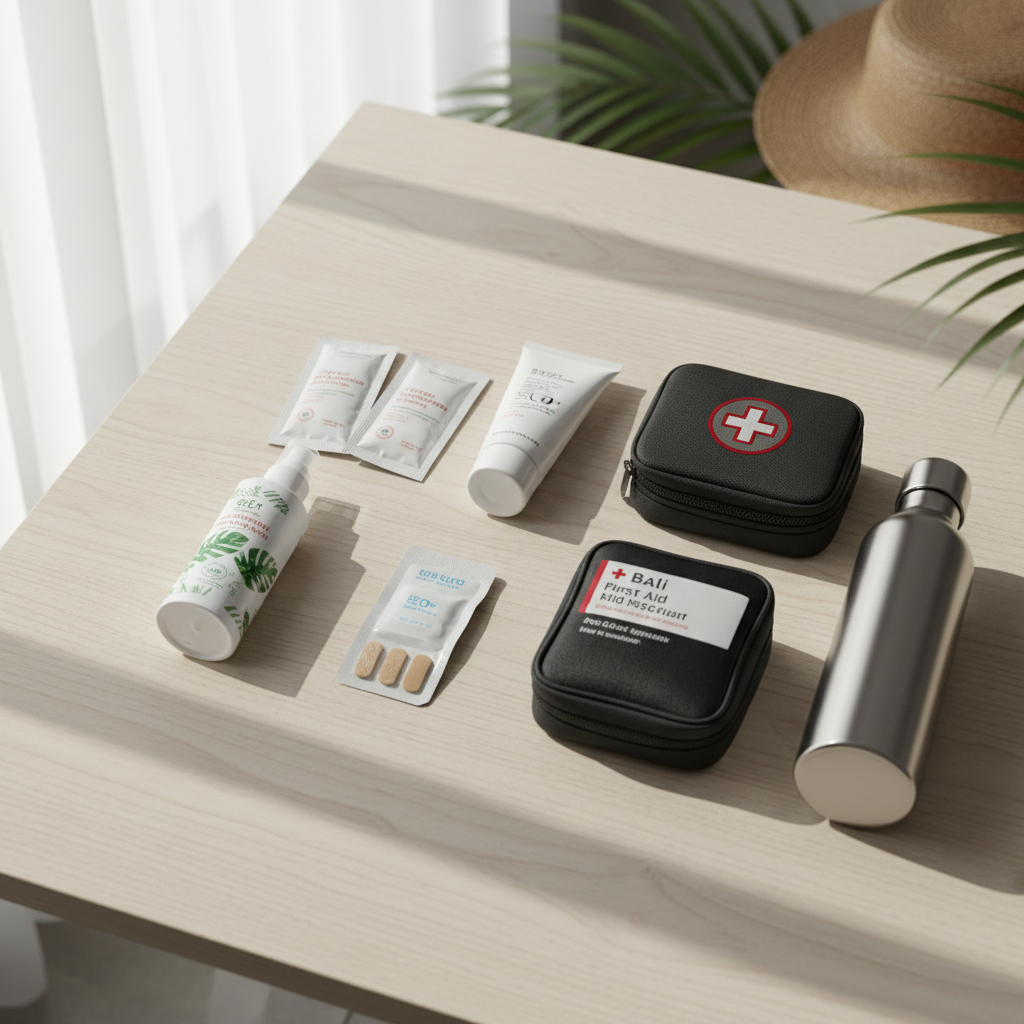
Core health kit for most tourists
- Oral rehydration salts or electrolyte packets
- Antidiarrheal medication and a thermometer, use with label guidance, consider a clinician for severe symptoms
- Pain reliever you tolerate well
- Bandages, blister pads, antiseptic wipes
- Insect repellent and sunscreen
- Hand sanitizer for on-the-go use
Helpful documents
- Travel insurance details and emergency numbers
- Photos of prescriptions, plus generic names if possible
- Any allergy list, written clearly
If you feel sick: a calm action plan (with a simple table)
When symptoms start, the goal is to prevent a mild issue from turning into a full stop. Many cases improve with rest and fluids, but some warning signs deserve faster help.
Step-by-step
- Pause alcohol and intense activity for 24 hours.
- Hydrate early, small frequent sips can be easier than chugging.
- Eat bland foods when appetite returns, rice, toast, bananas, soup.
- Track symptoms, fever, frequency of diarrhea, ability to keep fluids down.
Symptom guide (not a diagnosis)
| Situation | What you can do first | When to get medical help |
|---|---|---|
| Traveler’s diarrhea without fever | Oral rehydration, bland foods, rest | Severe dehydration signs, blood in stool, symptoms lasting multiple days |
| Heat exhaustion symptoms | Shade, cool down, fluids with electrolytes | Confusion, fainting, very high fever, symptoms not improving |
| Many mosquito bites with fever later | Rest, fluids, avoid NSAIDs until advice if dengue is a concern | Fever, severe headache, rash, unusual bleeding, seek urgent evaluation |
| Wound looks infected | Clean, cover, keep dry | Spreading redness, pus, worsening pain, fever |
According to the CDC, travelers should seek care urgently for severe dehydration, high fever, or signs of serious infection. If you’re unsure, contacting a local clinic or your travel insurance helpline can be a reasonable middle step.
Common mistakes that quietly increase risk
- “I’m fine, I’ll deal with it later”: waiting a full day to hydrate or rest often makes recovery slower.
- Overcorrecting: avoiding all local food can backfire if you end up under-eating and dehydrated.
- Ignoring sleep: jet lag plus late nights reduces immune resilience, then small exposures hit harder.
- Loose helmet, open footwear: comfort wins for five minutes, then you hit a pothole.
- Mixing meds casually: if you take multiple OTC products, check labels for overlapping ingredients, and consult a professional if you have chronic conditions.
Key takeaways and a simple plan for your first 48 hours
how to stay healthy in bali for tourists is mostly about avoiding a few predictable traps while still enjoying the culture, food, and beaches. You don’t need perfection, you need consistency.
- Day 1: bottled/filtered water only, easy meals, early night, light sun exposure.
- Day 2: add adventures gradually, carry electrolytes, repellent at dusk, watch heat and traffic.
If you want one actionable move: set your “health defaults” now, sealed water, sunscreen in the morning, repellent in the evening, and a no-scooter rule when tired or after drinks. Your future self usually thanks you.