
How to pack for ski trip for beginners comes down to one thing: stay warm and dry without hauling a closet to the mountains. If you’re new, it’s easy to overpack “just in case,” then realize you missed the one item that actually matters, like goggles or the right socks.
It’s worth getting this right because ski trips punish small mistakes. Wet gloves feel miserable, cotton layers chill you fast, and a forgotten document can derail rentals or lessons. The good news, most beginner trips can be packed with a tight system and a short list.
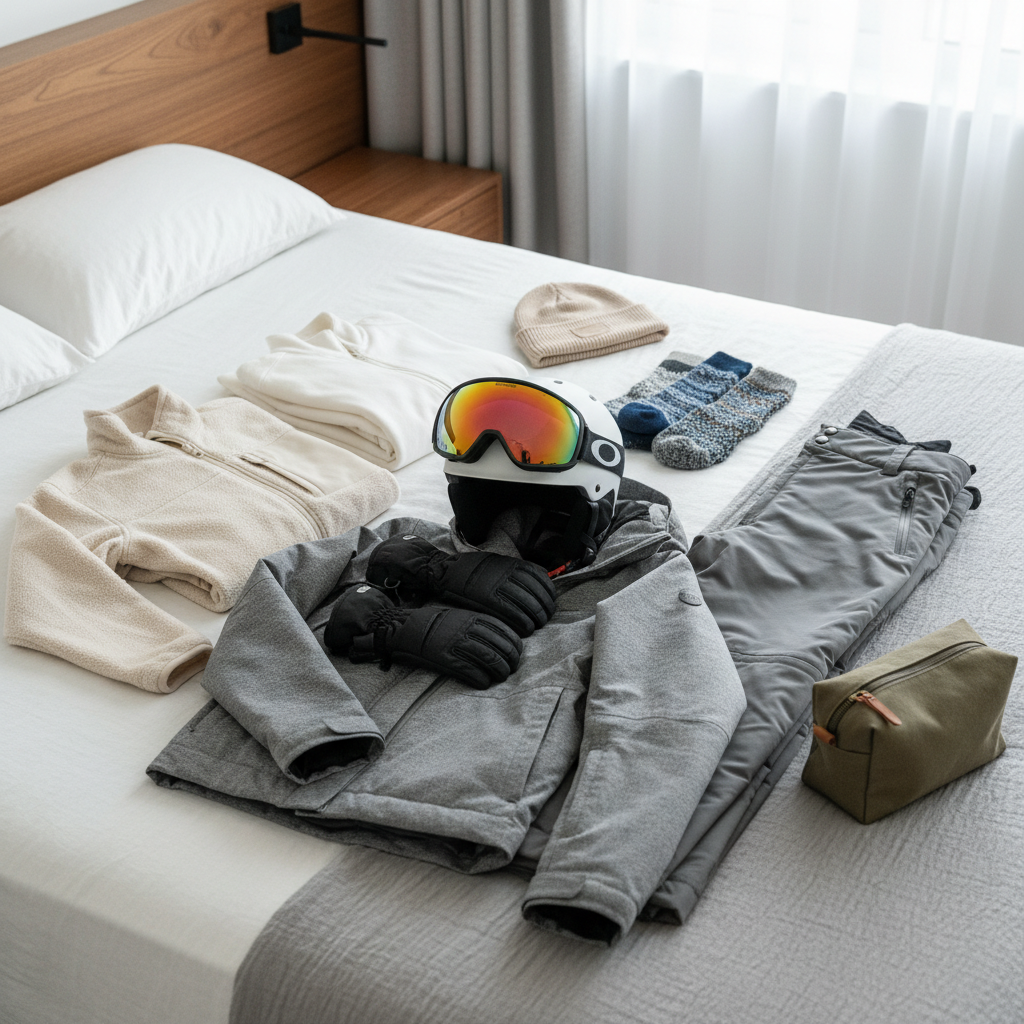
Below is a practical packing approach that splits essentials from “nice-to-haves,” helps you decide what to rent vs bring, and gives you a beginner-friendly checklist you can actually trust when you’re tired the night before departure.
Start with the trip basics (so your gear matches the plan)
Before you touch your suitcase, confirm a few basics. This prevents the classic beginner problem: packing for a mid-winter blizzard when you’re actually skiing in spring conditions, or assuming your lodge has everything.
- Where and when: resort location, elevation, typical temps, and whether it’s early/late season.
- How many ski days: packing for 2 days vs 5 days is a totally different loadout.
- Lesson/rental plan: lessons often start early, and rental shops may require an ID and a card.
- Lodging setup: washer/dryer access changes how many base layers you need.
According to the National Ski Areas Association (NSAA)... skier responsibility and on-mountain safety depend on being prepared and using equipment appropriately. For packing, that translates to: don’t wing the essentials, especially eye protection and warmth.
Know what to rent vs what to bring (beginners usually save money here)
Most beginners don’t need to buy everything for a first trip. Rentals reduce cost and also reduce what you have to transport. But a few items are worth owning because fit and comfort matter.
Usually safe to rent
- Skis or snowboard (and bindings)
- Ski boots (renting is common, though comfort varies by shop)
- Helmet (many people rent their first time; some prefer personal for hygiene/fit)
Strongly consider bringing your own
- Base layers (top and bottom), ideally merino or synthetic
- Ski socks (thin, wool blend; one pair per ski day is a good rule)
- Goggles or sunglasses (goggle fit + anti-fog performance matters)
- Gloves or mittens (cold hands can end your day fast)
If you’re deciding what to buy first, prioritize what touches skin and what protects eyes and hands. Rentals can work for hard gear, but a bad sock choice can make boots feel painful even if the boot is fine.
The beginner packing formula: layers, waterproofing, and two backups
New skiers often pack bulky sweaters and extra jackets, then still get cold because they’re missing the right layering sequence. A more reliable method is a simple 3-layer system plus backups for wet items.
- Base layer: moisture-wicking top and bottom. Skip cotton, it holds sweat and can make you colder.
- Mid layer: fleece or light puffy for insulation. Easy to remove if you heat up.
- Shell layer: waterproof/windproof ski jacket and pants, this blocks wind and snow.
Then add two practical backups:
- Backup #1: one extra pair of gloves/mittens if you tend to run cold or conditions are wet.
- Backup #2: one extra base layer top, because beginners often sweat more than expected.
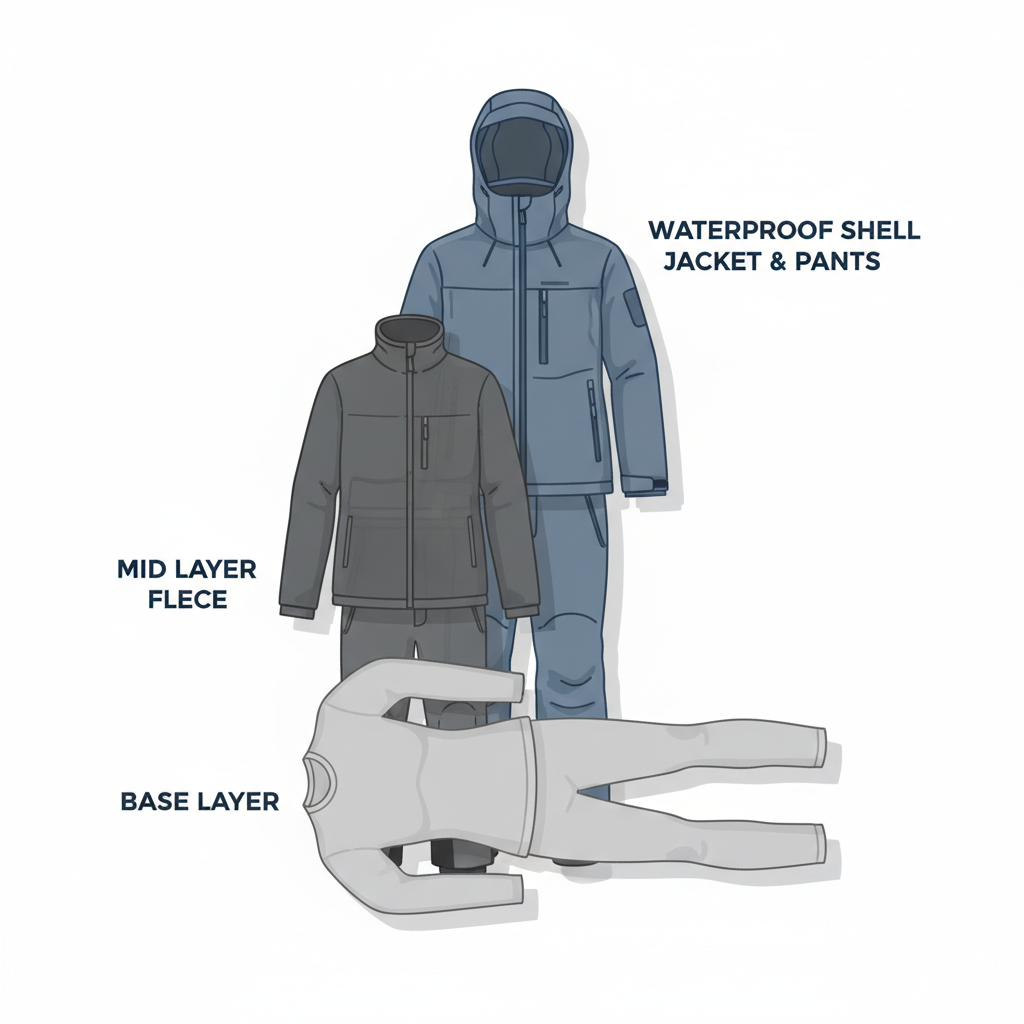
Most beginner comfort problems trace back to either wet fabric or wind cutting through. Layering fixes both without forcing you to pack a giant parka.
Packing checklist (the stuff you actually use)
If you want a clean checklist, treat this as your “must pack” list for a typical resort trip. You can add style items later, but these keep the trip functional.
On-mountain essentials
- Ski jacket + ski pants (waterproof shell preferred)
- Base layers: 1 per ski day, plus 1 spare if you can
- Mid layer: 1–2 options (fleece + light puffy works well)
- Ski socks: 1 pair per ski day (avoid stacking two pairs)
- Gloves/mittens: 1 pair, plus spare if you’re prone to cold
- Goggles (or sunglasses if it’s bright spring skiing, though goggles are usually easier)
- Helmet (owned or rented)
- Neck gaiter/buff (small item, big comfort upgrade)
Off-mountain basics
- Warm casual layers for evenings (sweatpants/jeans + sweater)
- Winter boots with traction (icy parking lots are real)
- Hat/beanie and casual socks
- Sleepwear and comfortable lounge layer
Personal and travel items
- ID and payment card
- Reservation confirmations (rentals, lessons, lodging)
- Sunscreen and lip balm (high SPF is common for snow glare)
- Small first-aid basics (bandages, blister care)
- Any prescription meds
Key point: if you’re flying, keep the “trip-stoppers” in your carry-on: goggles, base layer, socks, gloves, and documents. Lost luggage happens, and those are hard to replace last-minute at resort prices.
A simple table: what to pack by trip length
People ask how much is “enough.” It depends on laundry access and how hard you ski, but this table keeps it realistic for most first trips.
| Item | 2 ski days | 3–4 ski days | 5–6 ski days |
|---|---|---|---|
| Base layer sets | 2 | 3–4 | 4–5 (or plan laundry) |
| Ski socks | 2 pairs | 3–4 pairs | 5 pairs |
| Mid layers | 1–2 | 2 | 2–3 |
| Gloves/mittens | 1 pair | 1 pair + optional spare | 1 pair + recommended spare |
| Casual outfits | 1–2 | 2–3 | 3–4 |
How to pack efficiently (carry-on, checked bag, and car trips)
This is where beginners save stress. Pack like you’re protecting comfort-critical items, not like you’re moving in.
If you’re flying
- Carry-on: goggles, gloves, one base layer, one pair of ski socks, neck gaiter, meds, documents.
- Checked bag: jacket/pants, mid layers, casual clothes, toiletries.
- Boots: if you own boots, many people carry them on to avoid rental panic, but airline rules and space vary.
If you’re driving
- Keep a small “arrival bag” easy to reach: snacks, water, gloves, beanie, reservations.
- Pack wet-ready: a trash bag or waterproof tote for damp gear on the way home.
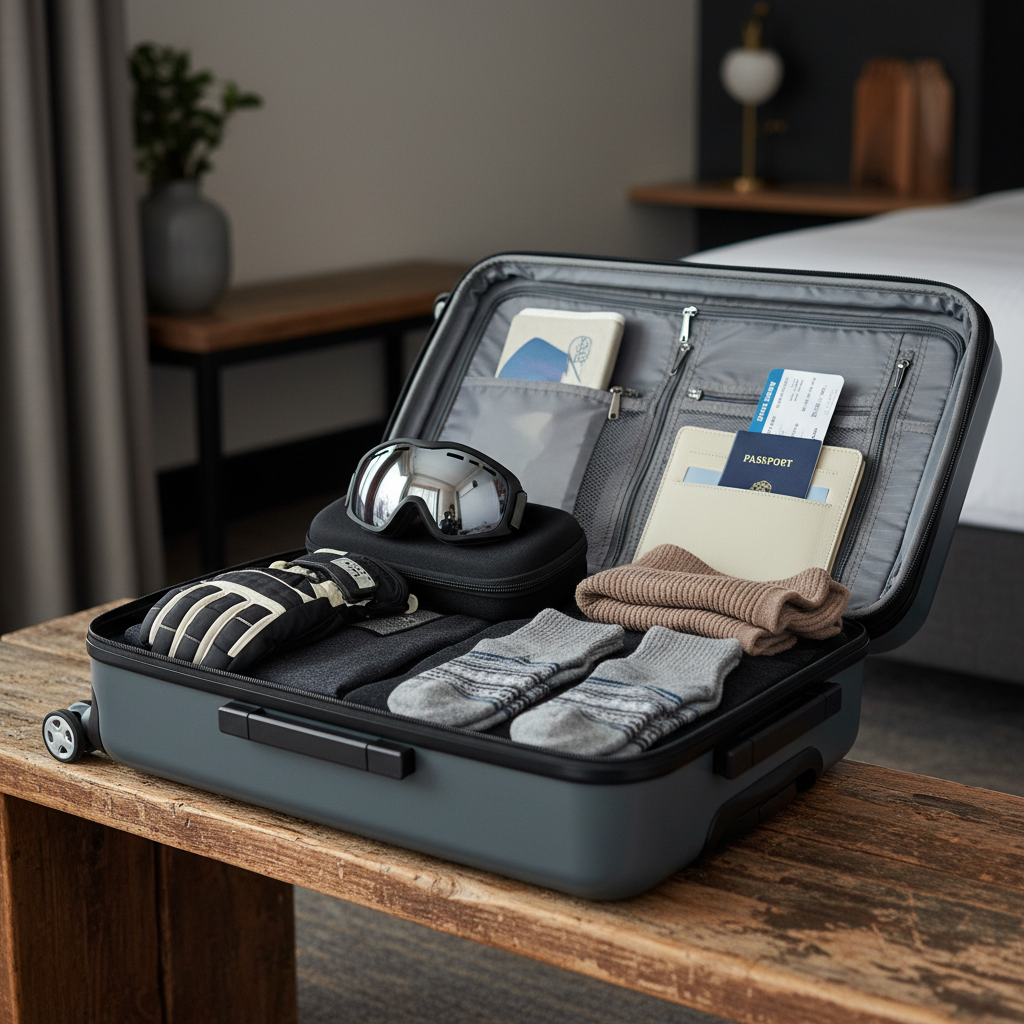
For how to pack for ski trip for beginners, the biggest win is separating “if this gets lost my trip is ruined” items from everything else. Do that, and you’ll feel calmer even if travel gets messy.
Common mistakes beginners make (and what to do instead)
Some packing mistakes don’t show up until you’re standing at the base area, cold and annoyed. These are the repeat offenders.
- Bringing cotton layers: switch to wool or synthetic, even if it feels thin at home.
- Two pairs of socks in boots: it often cuts circulation and can feel colder; use one proper ski sock.
- No eye protection plan: snow glare can be intense; goggles also help in wind and snowfall.
- Overpacking “cute” outfits: you’ll spend more time in base layers and lounge wear than you think.
- Forgetting après basics: dry shoes and comfy layers matter after a wet day.
According to the American Academy of Ophthalmology... UV protection matters year-round, and reflection from surfaces like snow can increase exposure. Practical takeaway: pack goggles or sunglasses with real UV protection, and don’t rely on fashion lenses.
Quick self-check: do you have the minimum to be comfortable?
If you’re packing late, run this fast check. If you can answer “yes” to most, you’re in good shape.
- I have one complete dry outfit for skiing each day, or a plan to re-wear safely.
- I have waterproof outerwear (or I’m renting/borrowing it).
- I have one solid hand plan: warm gloves, plus a spare if I run cold.
- I have eye protection that fits with a helmet.
- I know what I’m renting and I have ID + confirmation handy.
If you’re missing more than two items, pause and fix the basics instead of adding more random “extras.” Beginners usually get more comfort from one good mid layer than three extra t-shirts.
Conclusion: pack for warmth, dryness, and fewer surprises
Once you see how to pack for ski trip for beginners as a system, it gets easier: layers that work, a couple smart backups, and a clear rent-vs-bring decision. That’s what keeps day one fun instead of frustrating.
If you want a simple next step, copy the checklist into your phone, then do a quick “carry-on trip-stoppers” pass the night before travel. It takes ten minutes and usually saves hours of scrambling later.