
Best travel blanket for airplane 2026 searches usually come from the same place, you board feeling fine, the cabin gets cold, and the thin airline blanket either never shows up or feels barely useful. A good one fixes that without turning your personal item into a stuffed duffel.
The tricky part is there is no single “best” for everyone, because a red-eye in economy, a daytime hop in a window seat, and a long-haul in premium cabins all reward different choices. Warmth matters, but so does pack size, fabric feel, and how annoying it is to carry through the airport.
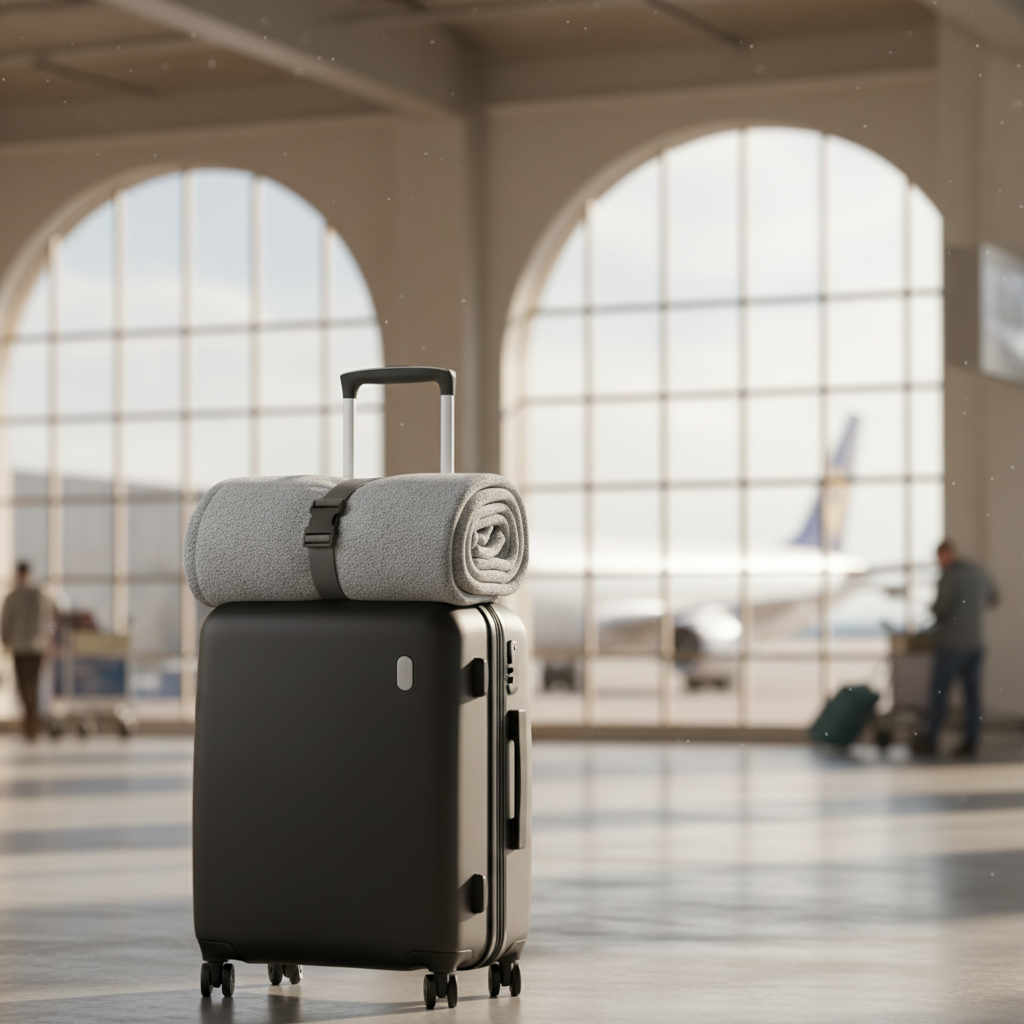
This guide is built to help you pick fast and pick well, what fabrics actually feel warm on a plane, what features are useful versus gimmicky, and how to avoid buying something that pills, sheds, or takes forever to dry.
What makes a travel blanket “airplane good” in 2026
Plane comfort is mostly a materials and usability problem. Cabin air often feels cool and dry, seats have limited space, and whatever you bring has to work in tight quarters without dragging on the floor.
- Warmth-to-weight ratio: You want warmth without bulk, especially if it must fit in a personal item.
- Packability: A blanket that compresses well beats a thick throw that hogs space.
- Skin feel: Scratchy fibers get old on hour three, soft matters more than people admit.
- Cleanability: You will use it on planes, trains, hotels, sometimes the airport floor, machine-washable is practical.
- “Seat-friendly” design: Foot pockets, snaps, or a shawl shape can keep it from sliding off.
According to FAA, carry-on items must be stowed properly for taxi, takeoff, and landing, which is another quiet reason compact matters. An oversized blanket can become a hassle when the crew asks you to clear space.
Materials compared: fleece vs wool vs down vs “cooling” fabrics
Most travel blankets fall into a few material families, and the “best travel blanket for airplane 2026” often comes down to how your body reacts to cold, heat, and texture.
Microfleece and plush polyester
Microfleece wins on price, softness, and easy washing. The downside is static, occasional pilling, and it can feel clammy if you run warm.
- Best for: budget picks, occasional flyers, people who like soft plush feel
- Watch for: shedding, slippery edge stitching, bulky carry pouches
Merino wool blends
Merino often feels warmer for the weight and can handle odor better than synthetics. Many wool travel blankets are blends for durability and easier care, but you still need to read the wash label.
- Best for: frequent flyers, people who get cold easily, “one blanket for plane and hotel” use
- Watch for: itch factor if not true merino, higher cost, special-care washing
Packable down throws
Down gives strong warmth with very low weight, and it packs down small. But down throws vary wildly in construction, baffles, and durability, and spills can be annoying.
- Best for: long-hauls, cold sleepers, minimalists who still want real warmth
- Watch for: feather leakage, spot-clean needs, slick fabrics that slide off your lap
“Cooling” bamboo, rayon, and lightweight knits
These can feel breathable and smooth, and some travelers like them for warmer cabins. In reality, they are usually comfort-first rather than warmth-first, so they are not ideal if you regularly freeze mid-flight.
- Best for: hot sleepers, summer routes, people who want a light layer not a cocoon
- Watch for: stretching, snagging, weak seams, not enough warmth for overnights
Quick decision checklist: which type should you buy?
If you want a fast, low-regret pick, match the blanket to your seat habits and flight patterns instead of chasing a generic “best.”
- You get cold on most flights: look at merino blends or a packable down throw, midweight not ultralight.
- You hate carrying extra stuff: choose a compressible option with an attached pouch and a clip for luggage.
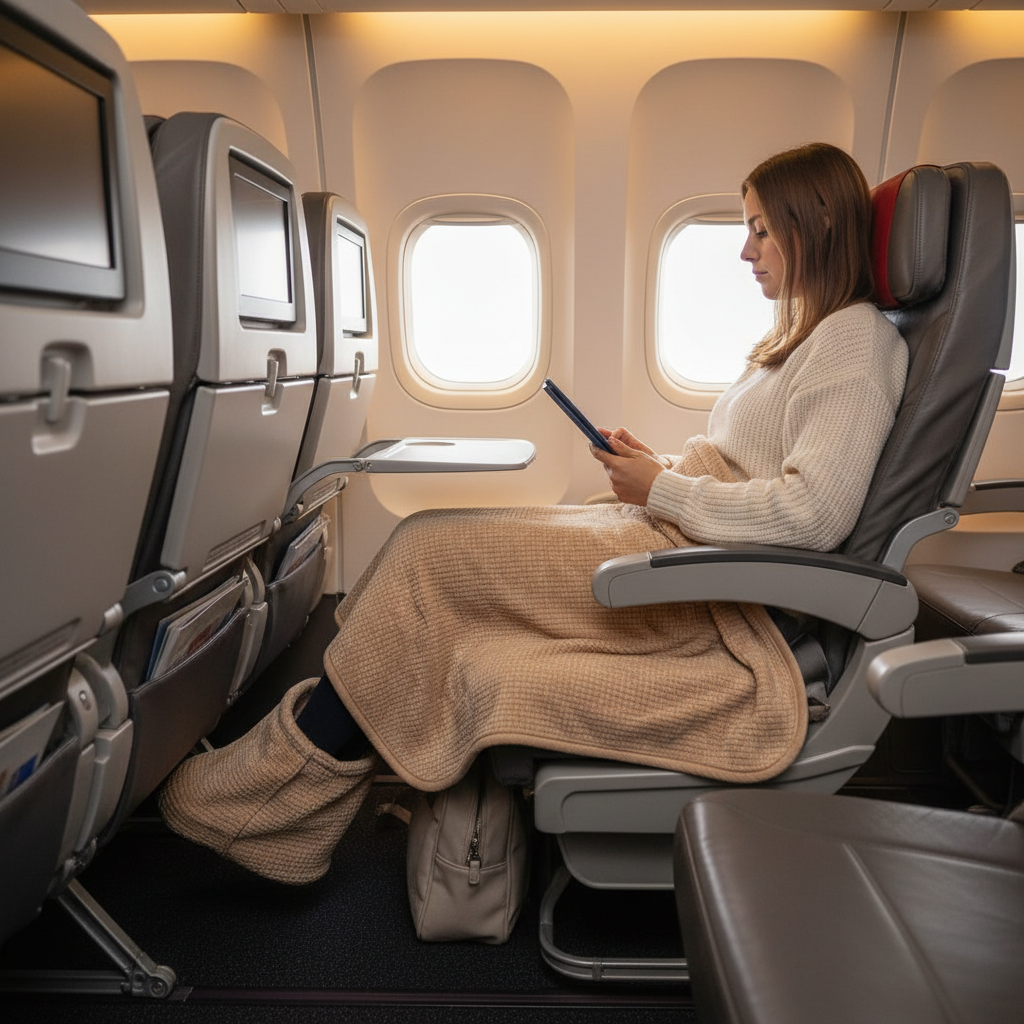
- You move around when you sleep: prioritize snaps, a foot pocket, or a wrap style that stays put.
- You fly short routes only: soft fleece is often enough, don’t overbuy.
- You want hotel versatility: choose a larger size and a fabric that feels good against skin.
If you are still split between two options, go with the one you will actually bring. A “warmer” blanket left at home helps nobody.
Feature checklist that actually matters (and what to skip)
Brands love adding features, but on a plane you notice only a few.
Worth paying for
- Attached stuff sack: you never lose it, and packing becomes a 10-second job.
- Compression strap or zipper pouch: especially helpful for down or thicker fleece.
- Snaps or wrap mode: turns the blanket into a shawl, handy when you stand up mid-flight.
- Foot pocket: keeps toes warm and reduces “blanket slide.”
- Machine washable: realistic for frequent use.
Usually skippable
- Built-in pillow claims: some work, many become lumpy “pouches with dreams.”
- Overly thick ‘luxury’ plush: great on the couch, annoying in a backpack.
- Fragile fringe and loose knits: snags happen on zippers, seat arms, and velcro.
Size and packability: the trade-offs most people underestimate
For an airplane blanket, you usually want enough coverage to reach shoulders to feet without dragging. Too small and you keep re-tucking, too big and it ends up on the aisle-side floor.
A practical range for many adults is roughly “throw size,” though exact inches vary by brand. If you are tall or like to wrap fully, move up a size, but insist on a real compression solution.
Here is a quick comparison table you can use while shopping.
| Type | Warmth | Pack Size | Feel | Best Use |
|---|---|---|---|---|
| Microfleece | Medium | Medium to Large | Very soft | Short flights, budget, easy wash |
| Merino blend | High | Small to Medium | Soft to slightly textured | Frequent travel, odor control |
| Packable down throw | High | Small | Smooth, can be slippery | Long-haul, cold cabins |
| Light knit / “cooling” | Low to Medium | Small | Silky, breathable | Warm routes, layering |
How to use a travel blanket on a plane without it turning gross
Even the best travel blanket for airplane 2026 becomes disappointing if it constantly touches the floor or picks up snack spills. A few habits keep it usable for years.
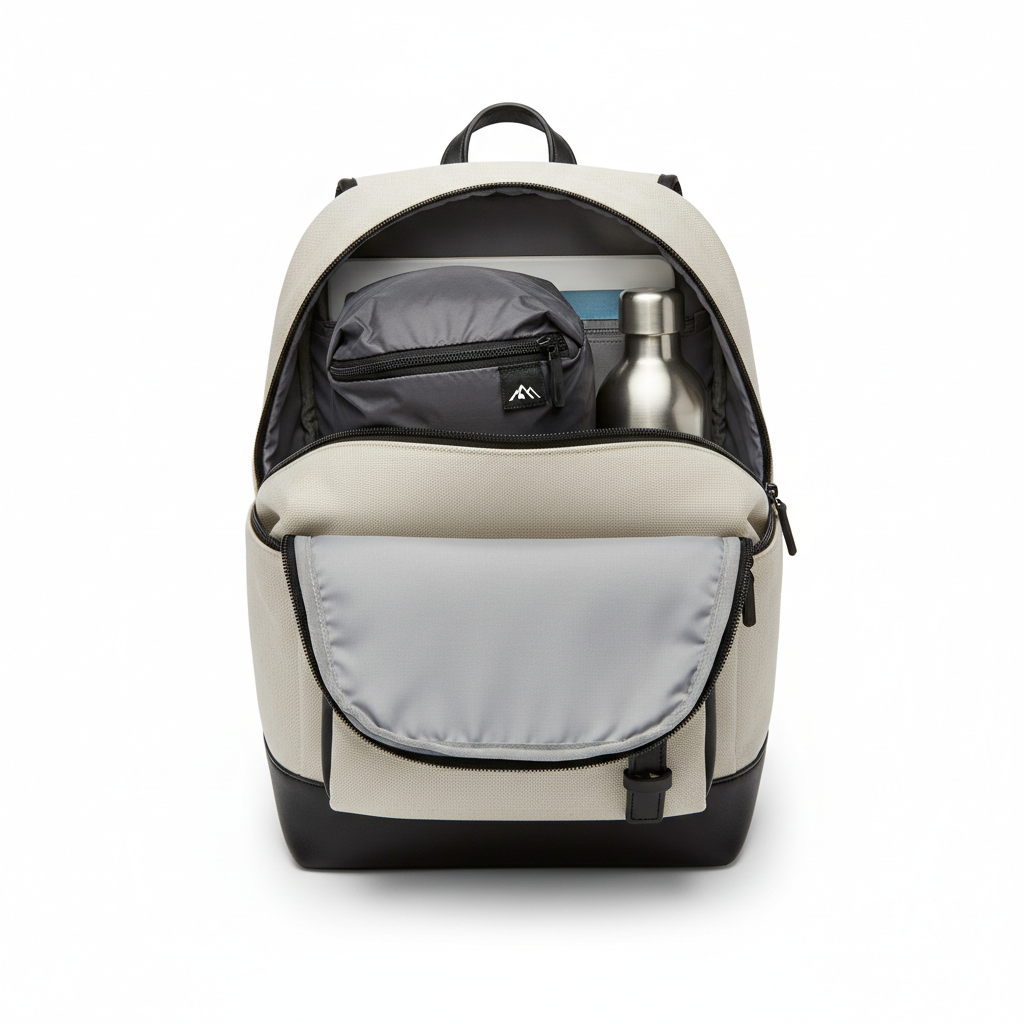
- Board with it accessible: put it at the top of your personal item so you don’t unpack your whole bag at the seat.
- Create a “clean zone”: drape it from waist down first, then wrap shoulders, this reduces edge drag.
- Use clothing as a barrier: a hoodie or scarf between blanket and seat belt area helps with crumbs and contact points.
- Pack it into its pouch before landing: keeps it from brushing the aisle while you stand and shuffle out.
If you have allergies or sensitive skin, consider fragrance-free detergent and a full wash before first use. If you have health concerns about temperature regulation or circulation, it may be smart to ask a medical professional for personal guidance, especially on long flights.
Common mistakes when shopping (what I’d be cautious about)
People tend to buy for an imaginary “perfect flight,” then reality shows up, delays, tight bins, spilled coffee, and a seatmate who keeps bumping your elbow.
- Buying too bulky: if it doesn’t fit your usual bag, you will stop bringing it.
- Ignoring care instructions: “dry clean only” can be a dealbreaker for frequent use.
- Assuming thicker equals warmer: loft and construction often matter more than thickness.
- Skipping seam checks: weak stitching shows up fast when you stuff and unstuff it weekly.
- Chasing ‘cooling’ for cold cabins: breathable can be nice, but it won’t replace insulation.
According to CDC, good hand hygiene and cleaning high-touch items are important for reducing the spread of germs, which is a good reminder to wash your blanket regularly and keep it stored in a pouch rather than loose in your bag.
Conclusion: the simplest way to pick the right one
If you are choosing today, pick your blanket the same way you pick shoes for travel, for how you actually move. For many frequent flyers, a compressible merino blend or a packable down throw hits the best balance, while occasional flyers can be perfectly happy with a well-made microfleece option.
Two action steps that tend to pay off, measure the space you are willing to give up in your personal item, then choose the warmest blanket that fits that limit, and prioritize a design that stays put, because constant re-tucking is what makes you hate the whole idea.
If you want a quick shortlist, start with material choice and packability, then confirm washability and a feature that prevents slipping, like snaps or a foot pocket, and you will usually land on a solid “best travel blanket for airplane 2026” pick for your own flights.