
Best cruise tips for first time cruisers start with one simple idea: a cruise is part hotel, part resort, part small city, and the “rules” feel different than a normal vacation.
If you feel overwhelmed by cabins, dining times, shore excursions, drink packages, and “what do I even pack,” you’re not alone, and most first-timer stress comes from planning the wrong details too early.
This guide focuses on the decisions that actually change your experience, what you can ignore, and a few practical routines that make the first day smooth instead of chaotic.
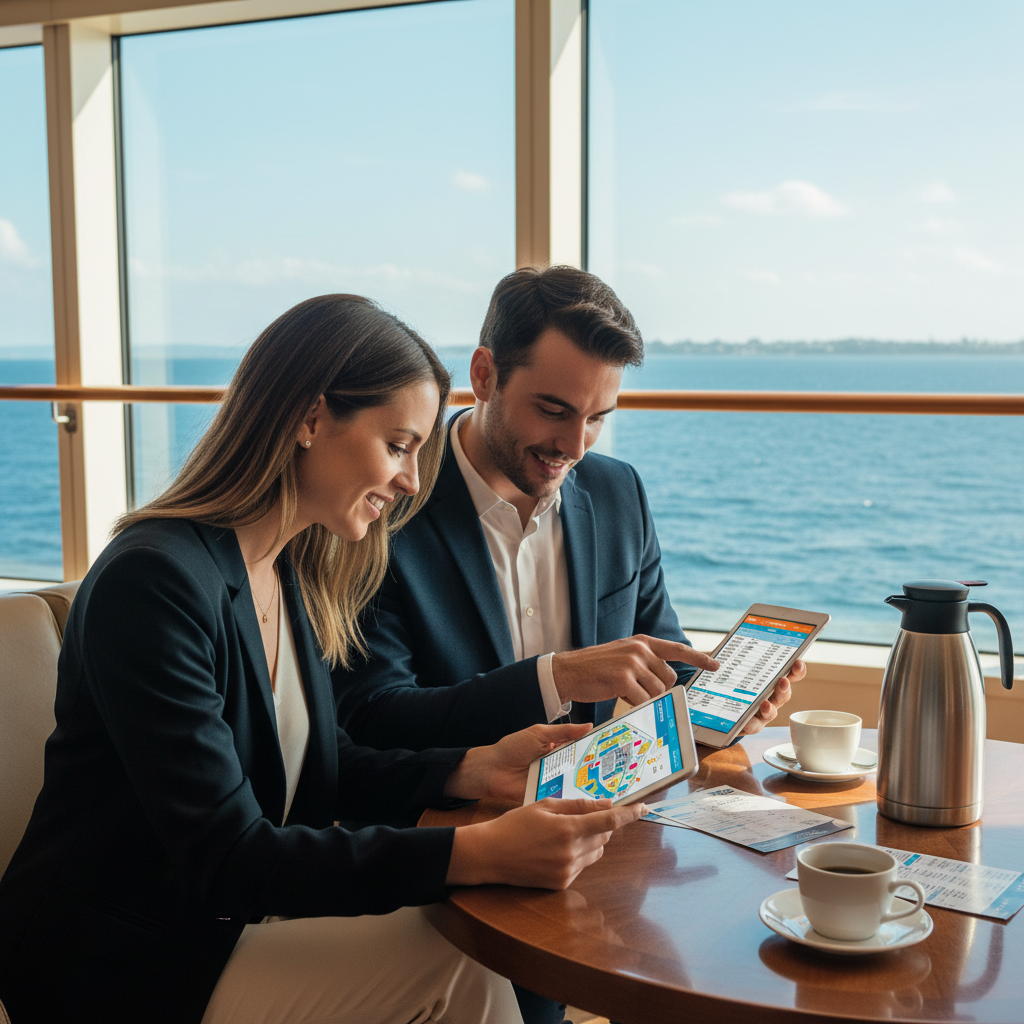
Pick the right cruise for your first trip (it matters more than hacks)
The “best” first cruise usually isn’t the fanciest ship, it’s the one that matches your tolerance for crowds, motion, and structure. Many first-timers book a deal, then spend the week trying to outrun a mismatch.
What to prioritize when comparing options
- Itinerary difficulty: Fewer ports and shorter distances often feel calmer, especially if you’re anxious about timing.
- Ship size and vibe: Big ships offer endless choices, small ships feel simpler. Neither is automatically better.
- Port of departure: If you can drive to the port, you may reduce travel stress and missed-ship risk.
- Cabin location: Mid-ship and lower decks often feel steadier for motion sensitivity.
According to Centers for Disease Control and Prevention (CDC), travelers concerned about motion sickness should plan ahead and consider preventive strategies, which is easier when you choose a stable-feeling cabin and a smoother itinerary.
Book smart: fares, packages, and the “true cost” of a cruise
A common rookie mistake is comparing only the headline fare. The better comparison is the total trip cost, including what you typically buy on vacation anyway.
Quick cost checklist
- Gratuities (often daily, per person)
- Wi‑Fi
- Alcohol, specialty coffee, sodas
- Specialty dining
- Shore excursions or independent tours
- Transportation to/from port, parking, hotel night before
When packages make sense (and when they don’t)
If you drink a predictable amount, a beverage package can feel like mental relief, but it’s not always a savings. Same story with Wi‑Fi: remote work needs are different from casual scrolling.
One of the best cruise tips for first time cruisers is to decide your “must-haves” first, then price around them, not the other way around.
Cabins 101: what first-timers usually wish they knew
Cabins are smaller than many hotel rooms, storage is clever but tight, and noise is real if you’re under a pool deck or near a late-night venue.
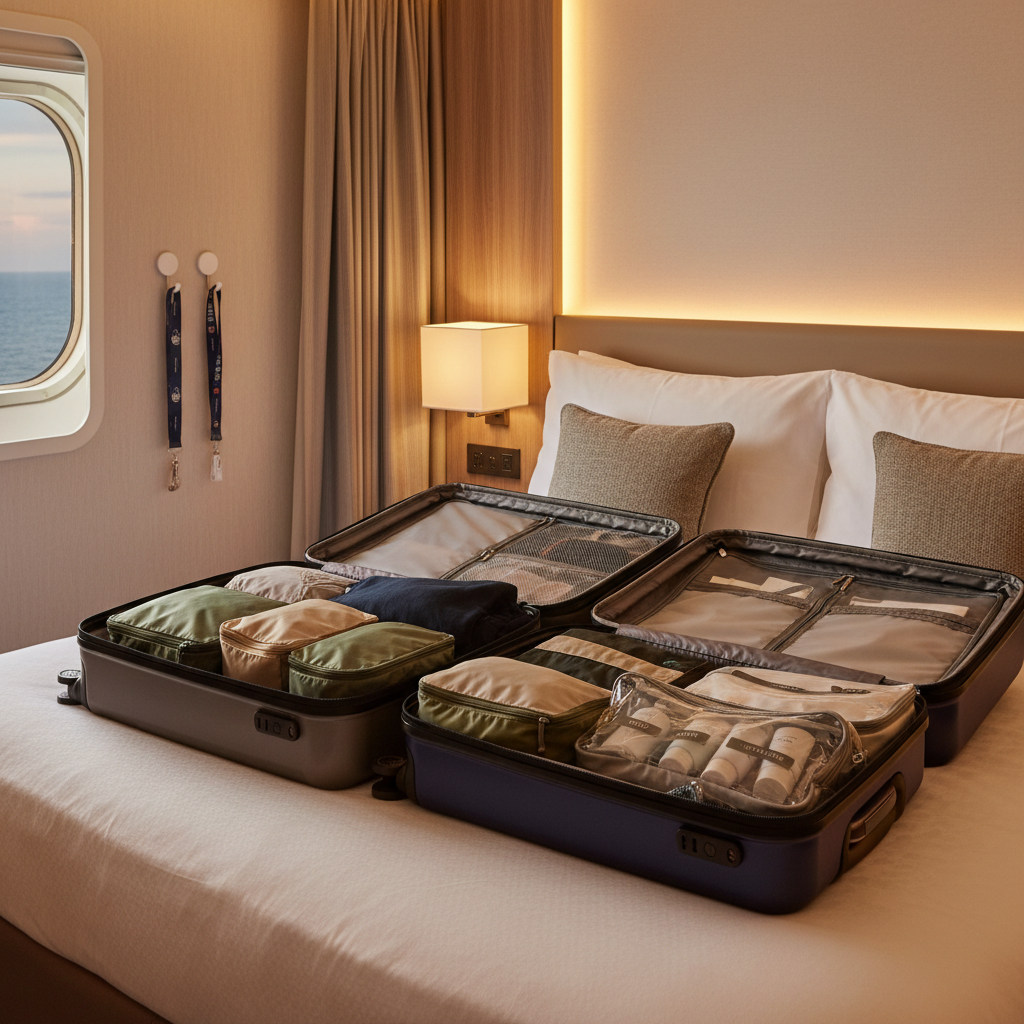
Cabin choice cheat sheet
- Inside cabin: Best for budget and sleepers who like darkness, not ideal if you feel claustrophobic.
- Oceanview: Natural light without balcony pricing, still quieter than some balcony areas.
- Balcony: Great for private air and views, but not always necessary on port-heavy itineraries.
- Suite: Space and perks, but for first cruises it can be smarter to test the “cruise lifestyle” first.
Bring a small habit that helps you reset: unpack early, hang a couple outfits, and keep one “grab bag” by the door for sunscreen, sunglasses, and your card.
Embarkation day: make the first 3 hours boring on purpose
Your first day sets the tone. When embarkation feels frantic, it’s usually because people try to do everything at once: explore, eat, book shows, find bags, and learn the app.
A calm first-day flow that works in many situations
- Carry-on essentials: meds, documents, swimsuit, chargers, one change of clothes, anything you can’t replace easily.
- Connect to the ship app and favorite key venues (main dining, buffet, guest services, theater).
- Do one “admin lap”: confirm dining time, check excursion meeting points, and note muster instructions.
- Eat somewhere simple and hydrate, it’s easy to start your trip mildly dehydrated.
According to U.S. Department of State, travelers should keep travel documents secure and accessible, which is especially relevant in busy terminals and during boarding transitions.
Dining without stress: how to eat well without overplanning
Food is a highlight, but the choices can feel endless. Many first-timers overbook specialty dining early, then realize they wanted flexibility.
Practical dining tips most first-timers appreciate
- Main Dining Room is often the best “default” when you want a paced meal and consistent service.
- Buffet works for speed, but peak times can be hectic, go a little earlier or later.
- Specialty restaurants are great for one or two “anchor nights,” not necessarily every night.
- Allergies/diet needs: mention early, repeat politely, and ask what’s easiest for the kitchen.
If you have medical dietary needs, it’s smart to contact the cruise line ahead of time and consider talking with a clinician if you’re unsure what’s safe for you.
Shore excursions: the safest way to “do ports” as a beginner
Ports are where first-time cruisers lose time or spend money twice. The goal is a plan that’s fun and forgiving.
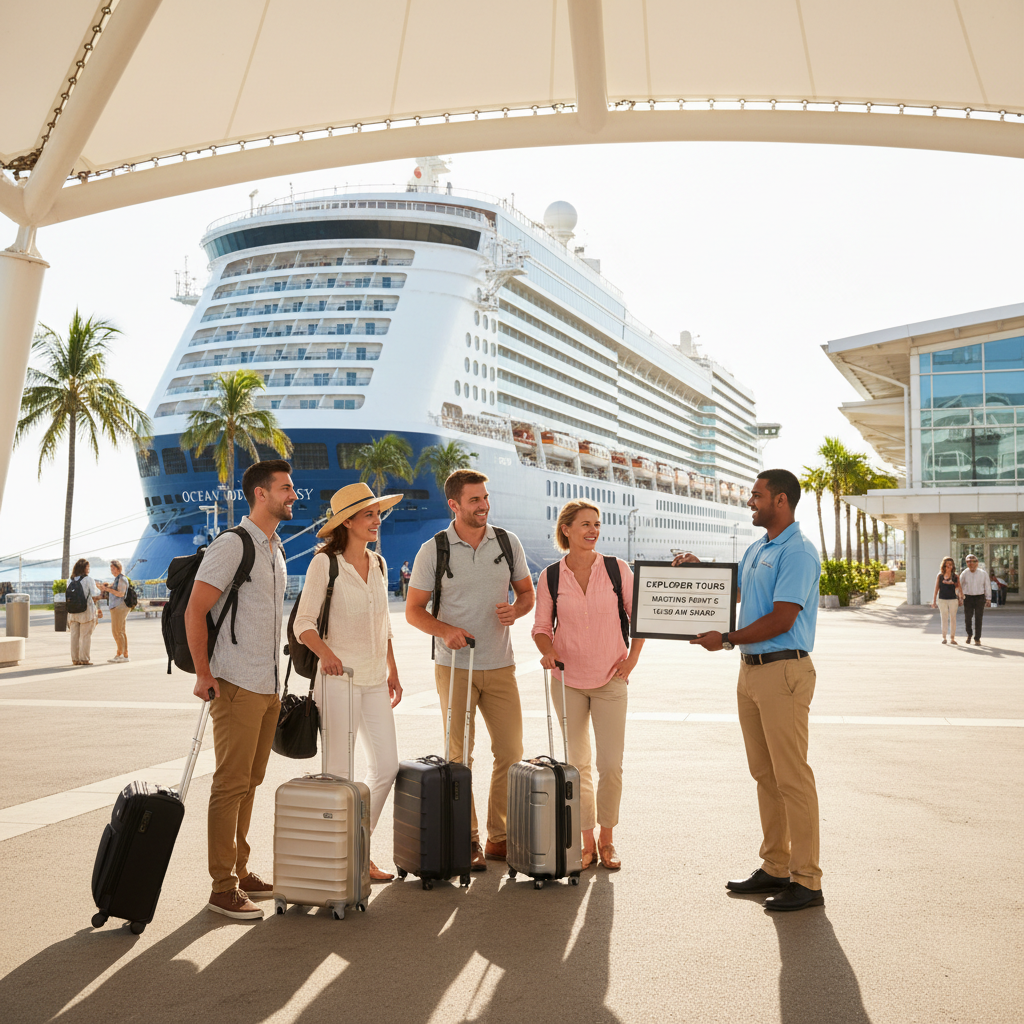
Cruise line tour vs independent tour vs DIY
Ship-sponsored excursions often cost more, but they can lower stress because the ship generally coordinates timing. Independent tours can be excellent value, but you must manage the return buffer yourself. DIY works when the port is easy, walkable, and you’re comfortable navigating.
Return-to-ship timing rule of thumb
- Aim to be back near the port area at least 60–90 minutes before all-aboard time.
- Build extra cushion if you’re using taxis, ferries, or long drives.
- Take a screenshot of ship time, all-aboard time, and pier location.
One of the best cruise tips for first time cruisers is choosing “easy wins” at ports early in the trip, then getting more adventurous once you understand pacing.
What to pack (and what to skip): a first-timer table
Packing for a cruise is less about bringing more and more about avoiding the 3 items that ruin your day when missing: documents, meds, and the right shoes.
First cruise packing table
| Category | Bring | Usually Skip |
|---|---|---|
| Documents | Passport/ID, boarding docs, travel insurance info | Extra copies everywhere, one digital backup is enough |
| Health | Prescription meds, basic pain relief, motion sickness option | Overpacking supplements you won’t take |
| Clothes | Mix-and-match basics, light layer, one nicer outfit | Too many “just in case” outfits |
| Shoes | Comfort walking shoes, pool sandals | New shoes you haven’t broken in |
| Gear | Power adapter (if needed), reusable bottle, small day bag | Bulky gadgets you won’t use |
Key points that save space
- Check dress codes for your ship, most nights are more relaxed than people fear.
- Plan laundry reality: some ships offer self-service, some don’t, it changes what “overpacking” means.
- Leave room for souvenirs or you’ll end up with an awkward return trip.
Onboard etiquette, safety, and common mistakes to avoid
Most onboard “problems” come from small misreads: not tracking time, forgetting your key card, or trying to do every activity because you paid for it.
Common first-cruise missteps
- Not using airplane mode: roaming charges can happen fast, confirm your settings before sailing.
- Overbooking the schedule: leave blank space, the best moments often show up unplanned.
- Ignoring hand hygiene: wash hands often, use sanitizer, and be cautious if you feel unwell.
- Waiting too long to ask for help: guest services can fix many small issues early, late-night lines are longer.
According to CDC, cruise travelers should follow routine hygiene practices and pay attention to health guidance onboard; if you have symptoms that worry you, it may be wise to contact onboard medical staff and, when appropriate, consult a clinician after the trip.
Practical “do this now” checklist for first-time cruisers
If you want a clean action plan, this is the one to screenshot. It’s the boring stuff that prevents expensive or stressful surprises.
- Before you book: pick itinerary difficulty, ship vibe, and cabin location based on comfort, not hype.
- After booking: download the cruise app, add documents to a secure digital wallet, note final payment dates.
- 2–3 weeks out: confirm transport to port, consider arriving the day before if flying.
- Embarkation week: pack meds and chargers in carry-on, set phone to airplane mode plan, screenshot reservations.
- Onboard day 1: do one admin lap, then switch to “vacation mode” and stop optimizing everything.
Conclusion: your first cruise should feel simple, not perfect
The best cruise tips for first time cruisers aren’t secret tricks, they’re a few steady choices: match the cruise to your style, protect embarkation day, keep port days forgiving, and treat packages as convenience tools rather than automatic deals.
If you pick one move today, make it this: choose a cabin location and itinerary you can relax with, then build the rest around that. You’ll enjoy the ship more, and you’ll second-guess yourself less.