
The best travel sim card for europe 2026 depends less on a single “winner” and more on how you travel: how many countries, how much data you burn on maps and social, and whether your phone supports eSIM. If you pick based only on price, you can end up with spotty coverage on trains, slow throttled data after a few days, or a plan that stops working right when you land.
For most US travelers, the real goal is simple: land, turn on your phone, and have data immediately without surprises. That means looking at coverage partners, fair-use limits, hotspot rules, activation steps, and what happens if you need to top up mid-trip.
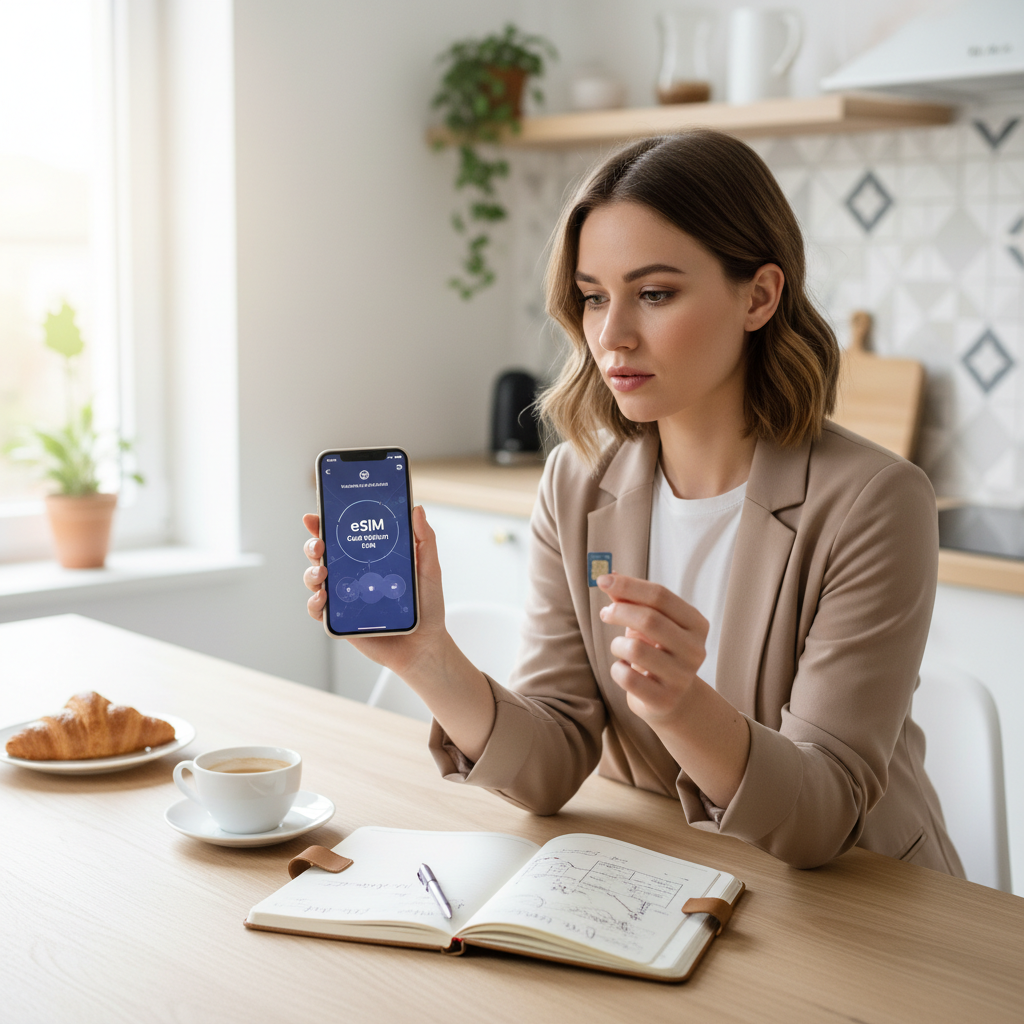
This guide gives you a practical way to choose, plus a comparison table you can screenshot. I’ll also call out the mistakes that usually cause people to overpay, or worse, lose data right when they need it.
What “best” really means for Europe SIMs in 2026
Europe looks unified on a map, but mobile networks still vary by country, region, and even station-to-station on long rail routes. “Best” usually comes down to four things:
- Coverage consistency: strong partners across multiple countries, not just one flagship market.
- Speed and fair-use: many “unlimited” plans slow down after a threshold, sometimes quickly.
- Ease of activation: eSIM QR setup before departure vs hunting for a kiosk after landing.
- Total cost: plan price plus top-ups, calling add-ons, and any hidden activation steps.
According to the European Commission, “roam like at home” rules apply to EU/EEA operators, but fair-use policies can still apply, and this does not automatically cover every travel SIM brand you’ll see online. Translation: read the plan details, not the headline.
Quick comparison: eSIM vs physical SIM vs US carrier roaming
Before you shop brands, choose the format. Most people who can use eSIM prefer it, but there are a couple of real exceptions.
| Option | Best for | Pros | Watch-outs |
|---|---|---|---|
| Travel eSIM | Multi-country trips, fast setup | Buy before you fly, instant activation, no SIM swapping | Some plans are data-only, hotspot may be limited |
| Physical travel SIM | Older phones, longer stays | Works without eSIM support, can be easier for local calling | Shipping time, losing your US SIM, store quality varies |
| US carrier day pass | Short trips, low hassle | Keep your number, no setup, predictable daily billing | Can get pricey over 10–14 days, network priority may be lower |
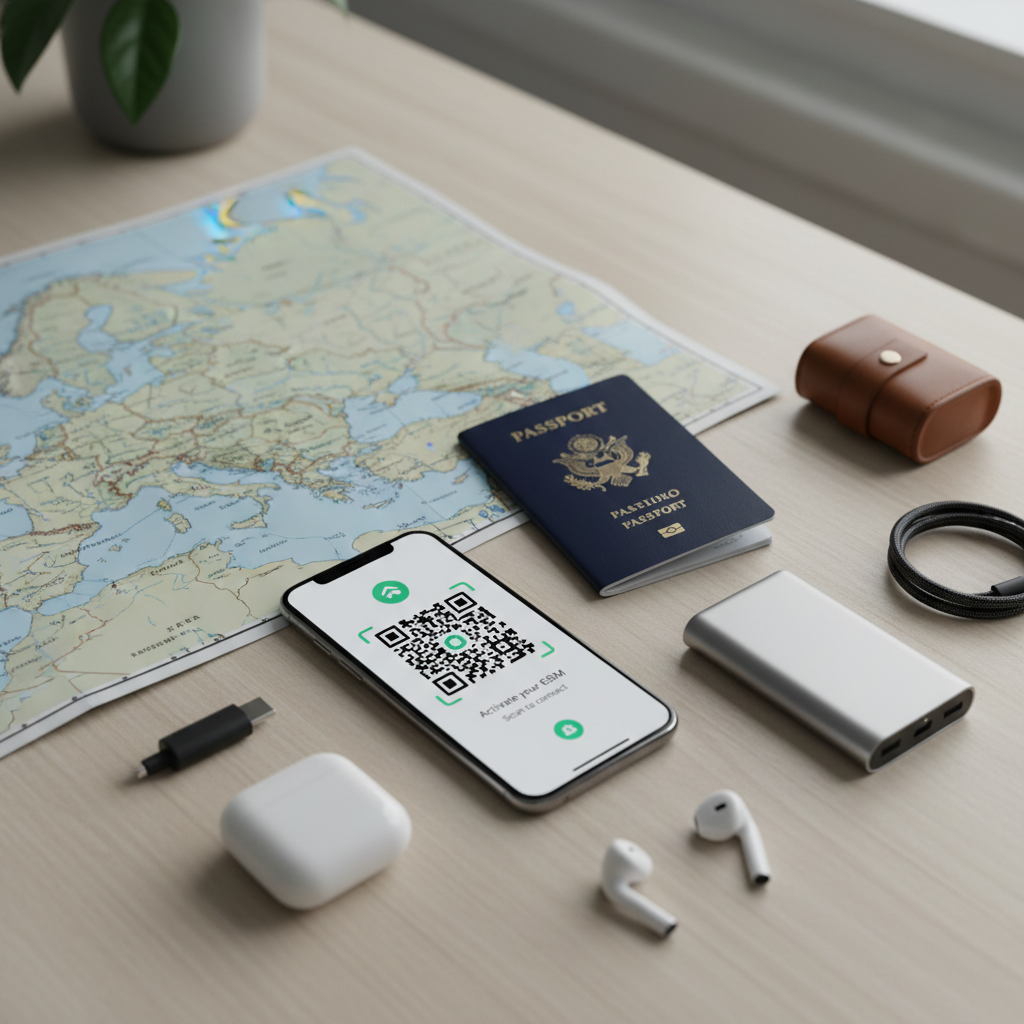
Key takeaway: if your phone supports eSIM and you mostly need data, an eSIM is usually the smoothest path. If you must have a local phone number for calls or SMS (rare for tourists, but it happens), a physical SIM or a true local plan can make more sense.
How to choose the best travel SIM for your trip (a simple checklist)
If you want a confident pick in five minutes, answer these questions:
- How many countries? One or two neighboring countries can work with a single-country plan, but a regional Europe plan reduces hassle for 4+ stops.
- How much data per week? Light (1–3GB), typical (5–15GB), heavy (20GB+). Video and hotspot use push you into heavy fast.
- Do you need hotspot? If you’ll work from cafés or share data to a laptop, confirm tethering rules.
- Is your phone unlocked? US carrier-locked phones can block both eSIM and physical SIM installs.
- Do you need voice/SMS? Most travelers can use WhatsApp, FaceTime Audio, iMessage, and app-based calling.
Also, check your phone’s eSIM compatibility in Settings. If you’re unsure, your carrier can usually confirm unlock status, and Apple/Google device pages list eSIM support by model.
Top picks by traveler type (not just “one best”)
Instead of pretending there’s one universal answer, here are the most common buyer paths that work in real trips:
If you’re hopping countries (Italy–Switzerland–France–Spain)
Choose a regional Europe eSIM with strong partner networks and clear fair-use language. You want fewer border headaches and less time spent troubleshooting in a train station.
- Look for: multi-network or strong roaming partners, easy top-ups, clear validity window.
- Avoid: “unlimited” with tiny high-speed caps if you use maps all day.
If you’re staying mostly in one country (UK only, Spain only)
A local SIM/eSIM can be better value, especially for longer stays or if you need a local number. The tradeoff is more setup time and occasional ID requirements depending on the country and provider.
- Look for: local network coverage in the regions you’ll visit, simple recharge options.
- Watch: activation rules at the shop, and whether EU roaming is included if you do side trips.
If you’re taking a short trip and hate setup
A US carrier international pass is often the least mental load. It’s rarely the cheapest for two weeks, but it can be “good enough” for 3–5 days, especially if you need your US number for banking or work texts.
If you’re working while traveling (hotspot matters)
Prioritize tethering support and a generous high-speed allowance. Many plans allow hotspot but throttle quickly, which feels fine for messaging but painful for video calls.
According to the Federal Communications Commission (FCC), roaming performance can vary widely by partner networks and local conditions, so it’s smart to have a fallback option like offline maps and hotel Wi‑Fi when you can.
Practical setup steps (so you don’t lose service on arrival)
This is where many people stumble, even after buying the right plan.
Before you leave the US
- Confirm your phone is unlocked (carrier portal or customer support).
- Screenshot your eSIM QR code and activation instructions, just in case you land with weak Wi‑Fi.
- Update iOS/Android if you’re behind; outdated versions sometimes cause eSIM install errors.
- Download offline maps for your first city and save key addresses.
When you land in Europe
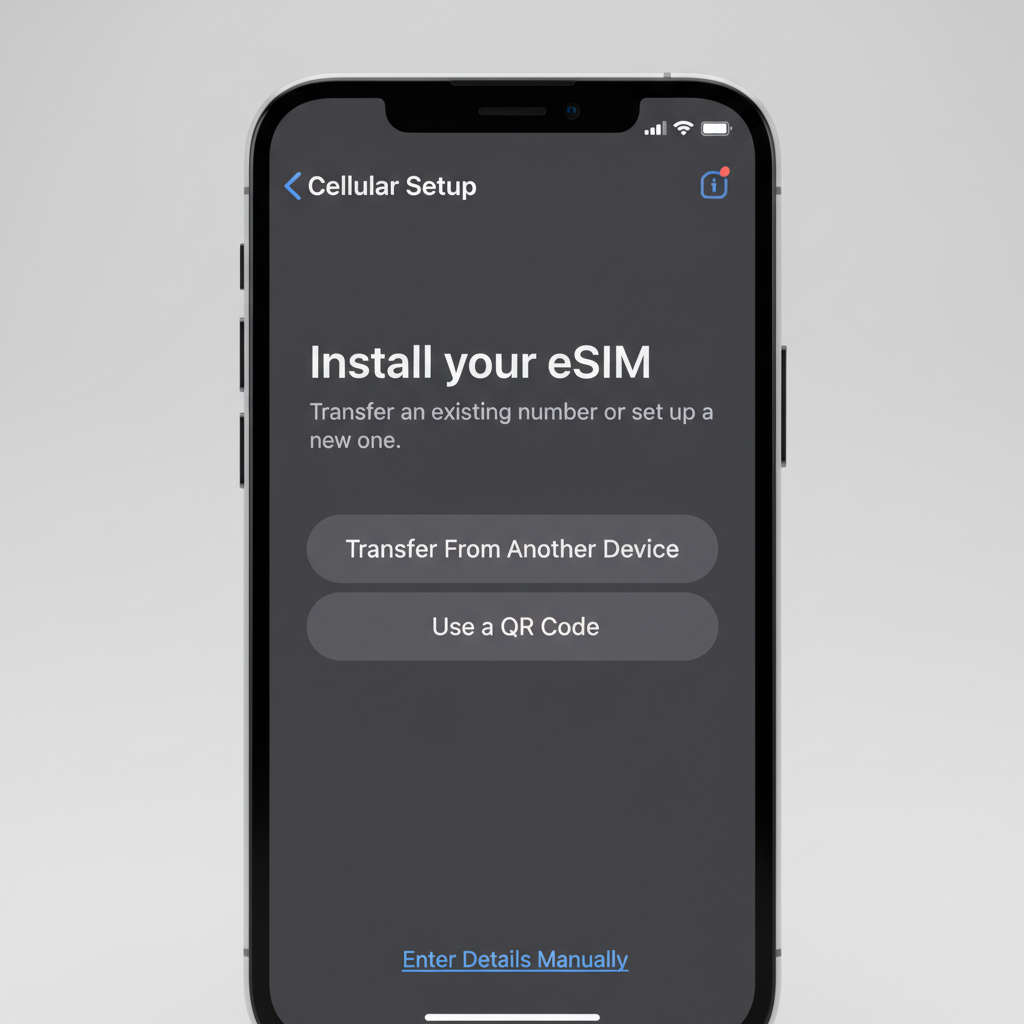
- Turn on the travel line, set it as cellular data, and enable data roaming if the plan requires it.
- Keep your US line on for iMessage if you want, but consider disabling data on it to avoid accidental roaming charges.
- If speeds look wrong, toggle airplane mode for 10 seconds, then manually select a network in Cellular settings.
One setting that saves money
If you use an eSIM for data, set your phone to use the travel line for data and keep your US line for calls only when needed. This reduces surprise bills, especially if your carrier treats background data as billable roaming.
Common mistakes that make “good” SIMs feel bad
- Buying too little data: Europe trips create constant map use. Under-buying forces expensive top-ups and stress.
- Assuming “unlimited” means unlimited high-speed: many plans slow after a cap, which can feel like the internet broke.
- Not checking hotspot rules: if you need laptop connectivity, confirm tethering before purchase.
- Forgetting validity windows: some plans start counting at activation, others at first network connection.
- Phone locked to a US carrier: the plan can be perfect and still fail to install.
If you’re trying to pick the best travel sim card for europe 2026 and every plan looks identical, focus on the fine print: speed policy, top-up process, and network partners. That’s usually where the real differences hide.
Recommended buying approach (keeps options open)
If you want a balanced, low-regret setup, this approach tends to work for most travelers:
- Primary: a regional Europe eSIM with enough data for your typical week.
- Backup: hotel Wi‑Fi plus offline maps, and if your trip is critical for work, consider a second small data pack from a different provider.
- For longer stays: reevaluate after a week, a local plan may be worth the switch once you know your usage.
This keeps your first 48 hours smooth, then gives you flexibility if you discover you’re using more data than expected.
Conclusion: the “best” choice is the one that fits your route
The best travel sim card for europe 2026 is the one that matches your itinerary and habits: regional eSIM for multi-country movement, local options for longer single-country stays, and US carrier passes for short, convenience-first trips. If you do one thing today, check unlock status and estimate your data use, those two answers narrow the field fast.
If you’re leaving soon, buy your plan early enough to read the activation steps calmly, then set it up before departure so your phone works the moment you land.
FAQ
How much data do I need for a 10-day Europe trip?
Many travelers land around 5–15GB for a typical pace of maps, messages, and some social. If you hotspot to a laptop or stream video often, 20GB+ is safer, but it depends on how much Wi‑Fi you’ll have.
Is an eSIM better than a physical SIM in Europe?
In convenience terms, usually yes: no store visit, no SIM swap, and quick top-ups. Physical SIM still makes sense if your phone lacks eSIM support or you specifically need a local number and local support.
Will a Europe travel SIM work in the UK and Switzerland?
Sometimes, but not always. Many “Europe” plans focus on EU/EEA coverage; the UK and Switzerland may be included, excluded, or treated differently. Check the covered-country list before you pay.
Can I keep my US number while using a travel eSIM?
Usually yes with dual SIM capability. You can keep your US line active for iMessage and important texts while using the travel line for data, but it’s smart to disable data on the US line to avoid roaming charges.
Do travel SIMs support hotspot/tethering?
Many do, but policies vary and some throttle quickly. If hotspot matters for work, confirm tethering is allowed and look for a clear high-speed allowance rather than vague “unlimited” language.
Why is my data slow even though I have coverage bars?
It could be network congestion, a throttled plan after hitting a high-speed cap, or your phone choosing a weaker partner network. Switching networks manually or toggling airplane mode often helps; if it persists, top-up terms may be the issue.
Should I buy my SIM/eSIM before I fly or after I land?
If you want the smoothest arrival, buying ahead is typically easier, especially for eSIM. Buying after landing can save money in some countries, but it costs time and can be frustrating if you arrive late or stores are closed.
If you’re still torn between a few options, a simple way to decide is to list your countries and trip length, then pick the plan with the clearest partner coverage and the least confusing fair-use rules. If you want an even more hands-off route, choose an eSIM that supports easy top-ups and install it before departure, it’s not “perfect,” but it reduces travel-day friction a lot.