
Best carry on luggage for women shopping usually sounds simple until you hit the real-world tradeoffs, weight limits that vary by airline, handles that wobble after two trips, and “expandable” cases that turn into gate-check magnets.
If you travel for work, quick weekend trips, or family visits, carry-on is the one item you touch constantly, lift into overhead bins, roll across cracked sidewalks, and squeeze into tight hotel corners, so small design choices matter more than most people expect.

This guide is built for 2026 realities, more people flying with tech, airlines enforcing size more consistently on some routes, and travelers wanting durable luggage that still looks clean after a season. You’ll get a practical checklist, a comparison table, and a few “buy this if you travel like this” recommendations without pretending one suitcase fits everyone.
What “best” actually means for a women’s carry-on
When someone searches for the best carry on luggage for women, they’re usually not asking for “pink vs black,” they’re asking for a case that matches their body mechanics, trip style, and tolerance for fuss.
- Comfort: handle height, grip shape, wheel glide, and how the bag behaves when you carry a tote on top.
- Predictable fit: a size that stays under common airline limits even when packed, including when expanded.
- Durability: zippers, corners, wheel housings, and the telescoping handle are where many bags fail.
- Organization: a layout that matches how you pack, not a maze of pockets you never use.
- Look and longevity: scuffs show differently on polycarbonate vs fabric, and some finishes age better.
One more thing that gets overlooked, the “best” option often depends on whether you’re more annoyed by weight, by lack of pockets, or by a suitcase that tips when your personal item rides on top.
2026 carry-on sizing and airline reality checks
Carry-on sizing is where shoppers get burned, because marketing photos rarely show the bag next to an airline sizer, and “international carry-on” means different things across carriers.
According to TSA, travelers should keep batteries and many electronics in carry-on bags and follow rules for liquids and prohibited items. That matters because if you’re carrying tech and chargers, weight and internal organization become more important than you think.
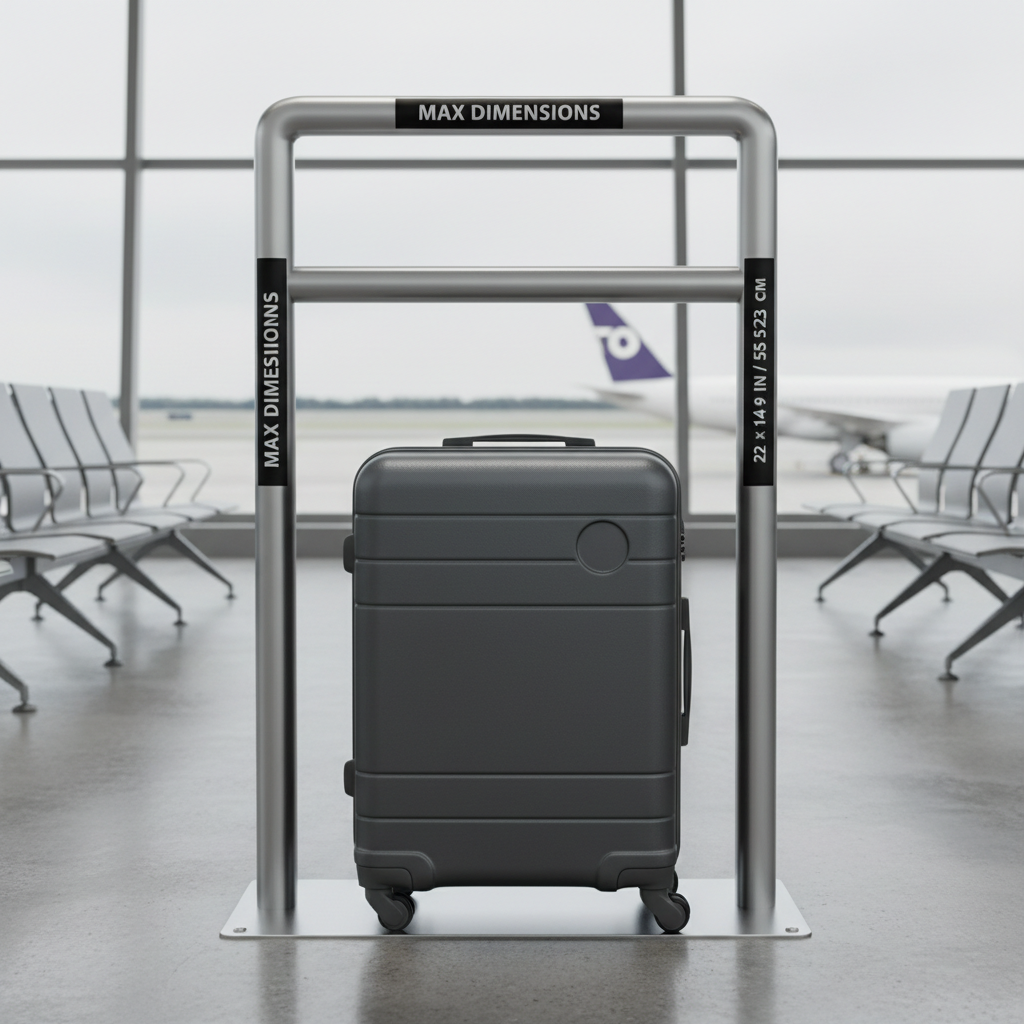
Practical sizing rules that usually keep you out of trouble:
- Stay conservative on height: 21–22 inches is common, but wheels and handles “count,” and that’s what sizers measure.
- Be careful with expanders: expansion is useful on the way home, but it can push you over the line at boarding.
- Know your frequent flyers: if you often fly regional jets, a slightly smaller case reduces forced gate checks.
If you’re buying one carry-on for “everything,” the safest compromise is a true domestic-friendly size with good internal compression so you don’t rely on expanding.
Key features that matter more than brand names
There are plenty of solid brands, but features determine whether the suitcase stays pleasant to use six months in. Here’s what tends to separate “fine” from “you’ll keep it for years.”
Wheels: smooth, stable, and easy to replace
- Spinner wheels (4 wheels): easiest through airports and lines, can struggle on rough sidewalks.
- 2-wheel rollers: better for uneven pavement, slightly less nimble in tight aisles.
- Look for: quiet roll, minimal wobble, and wheel housings that don’t eat interior space.
Handle and ergonomics: the “women’s” part many ignore
People vary in height and stride, but in many cases women notice handle issues sooner because a handle that’s too tall, too short, or too loose can put your wrist and shoulder in an awkward position during long walks. A good telescoping handle should lock firmly at multiple heights and stay stable when you lean slightly.
Shell vs softside: what you gain, what you give up
- Hard shell (polycarbonate): good protection, easier wipe-down, scuffs show but structure holds.
- Softside (nylon/polyester): exterior pockets, slightly more forgiving in sizers, can stain and snag.
Zippers, corners, and interior compression
Most “mystery breakages” are zippers that separate, corner cracks, or bent handle tracks. Consider double-coil zippers, reinforced corners, and a compression panel that keeps clothing tight without you sitting on the case.
Quick self-test: which carry-on type fits your travel style?
If you want a fast answer to the best carry on luggage for women question, start by sorting yourself into one of these patterns. Your “best” choice becomes obvious once you do.
- Weekend flyer (2–4 days): prioritize light weight, fast-access pocket, and a simple interior.
- Work trips with a laptop: prioritize stable handle, smooth wheels, and a front organizer or easy-to-reach laptop strategy in your personal item.
- Overpacker who wants to reform: prioritize internal compression and a structured packing layout.
- City walker (subway, cobblestones): prioritize rugged wheels or consider a hybrid/roller instead of a delicate spinner.
- Frequent international/connecting flights: prioritize conservative sizing, durable corners, and easy ID visibility.
If two categories feel true, pick the one that causes the most pain on your worst travel day, that’s the design problem your suitcase needs to solve.
2026 comparison table: what to look for at a glance
Use this table as a buying shortcut. It doesn’t replace checking exact dimensions, but it helps you focus on the features that typically matter in real use.
| Traveler profile | Recommended carry-on type | Why it tends to work | Watch-outs |
|---|---|---|---|
| Weekend + minimalist | Lightweight hard shell spinner | Easy glide, easy to clean, fast packing | Spinner wheels dislike rough sidewalks |
| Business traveler | Premium spinner with strong handle | Stability with tote on top, smoother roll | Heavier, price climbs fast |
| Family travel helper | Softside with exterior pockets | Grab snacks, wipes, chargers without opening main compartment | Fabric scuffs, zippers matter more |
| Frequent flyers | Durable polycarbonate + repairable wheels | Better long-term value, survives repeated handling | Some finishes show scratches quickly |
| Rough streets / transit | 2-wheel roller or rugged hybrid | Tracks better over cracks and curbs | Less nimble in narrow aisles |
Real-world picks: “buy this if you travel like this”
Rather than pretending there’s one winner, here are dependable categories that usually satisfy shoppers looking for the best carry on luggage for women in 2026. Treat these as shortlists to compare across brands and budgets.
Pick A: lightweight hard shell spinner for frequent airports
- Best for: mostly smooth surfaces, rideshares, hotel corridors, lots of terminal walking
- Prioritize: true polycarbonate, sturdy wheel housings, good warranty support
- Nice to have: matte or textured finish to hide scuffs
Pick B: softside carry-on with smart exterior access
- Best for: travelers who hate opening the whole suitcase to find a cable or cardigan
- Prioritize: strong zippers, water-resistant fabric, stable base so it doesn’t tip
- Nice to have: a pocket layout that matches your habits, not just “more pockets”
Pick C: durable, repair-friendly option for heavy use
- Best for: monthly travel, lots of connections, overhead bin battles
- Prioritize: replaceable wheels, reinforced corners, a handle that stays tight
- Nice to have: easy-to-spot color or subtle ID panel
How to choose in 15 minutes: a practical buying checklist
If you’re shopping online, you can still make a confident call quickly. This is the screening process I’d use before reading any hype.
- Step 1: Confirm external dimensions (including wheels/handles), then compare to the airlines you fly most.
- Step 2: Check weight. A slightly lighter case often means less shoulder strain when lifting into bins.
- Step 3: Inspect wheel design and handle wobble in reviews, not just star ratings.
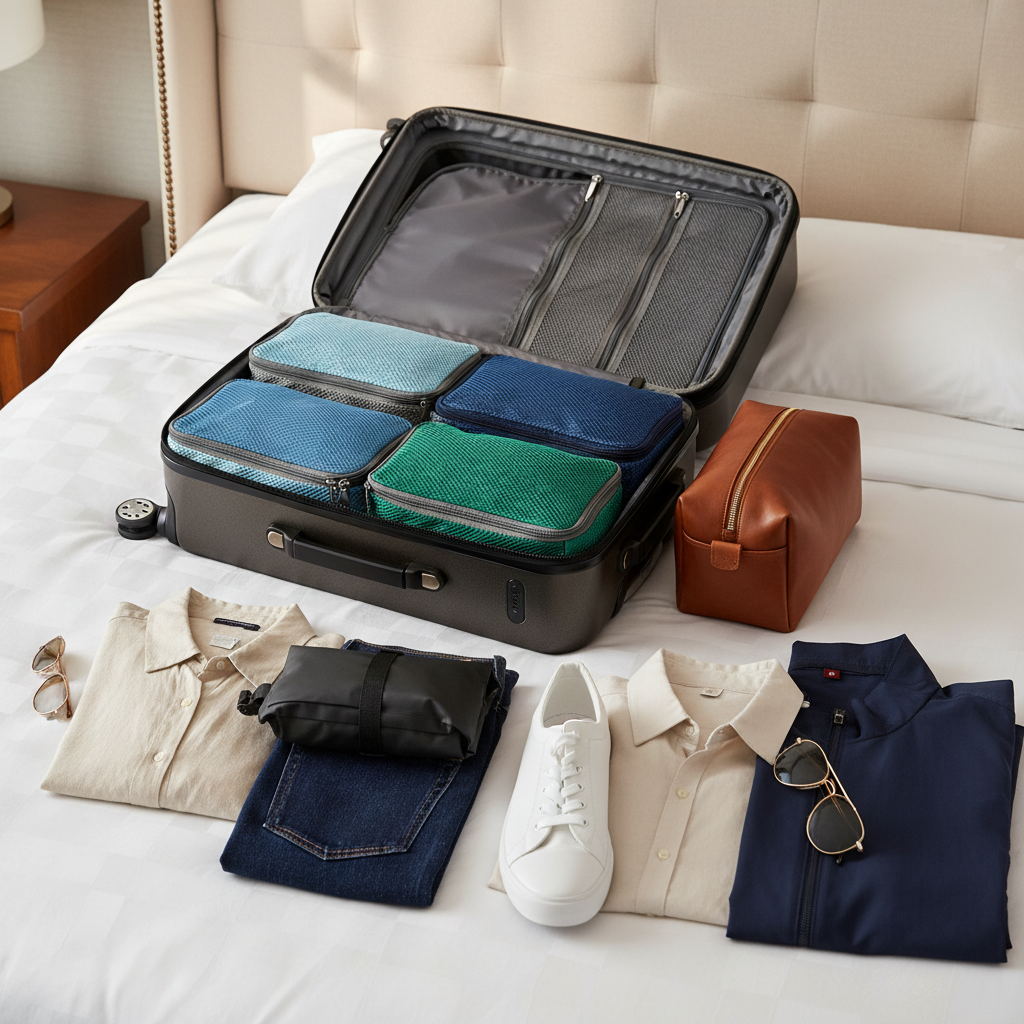
- Step 4: Look for an interior compression panel or straps that actually hold.
- Step 5: Read warranty terms like a skeptic, what’s covered, who pays shipping, and how repairs work.
- Step 6: Decide your non-negotiable, quiet wheels, exterior pockets, or ruggedness, then filter hard.
Key point: if you can’t find clear external dimensions and weight, that’s usually a sign the listing is more marketing than product.
Mistakes that make a “good” carry-on feel bad fast
- Buying too big “just in case”: it’s the easiest way to get gate-checked on a full flight.
- Over-valuing expansion: you’ll pack to the limit, then wonder why overhead bins feel hostile.
- Ignoring your personal item strategy: a suitcase without exterior access is fine if your tote handles tech and essentials.
- Choosing glossy finishes blindly: they can look great new, then show every scrape after one trip.
- Skipping a quick roll test: if you can try in-store, roll it with weight and turn sharply, bad wheels reveal themselves.
Also, don’t let “TSA-approved lock” language drive the purchase. According to TSA, officers may need to open bags for inspection, and TSA-recognized locks mainly reduce damage risk if a bag must be opened, it doesn’t make a suitcase more secure in every situation.
Conclusion: a simple way to pick your winner
The best carry on luggage for women is the one that fits your most common airline, rolls smoothly on your real routes, and stays stable when you stack your personal item on top. If you want one action step today, write down your top two airlines and your typical trip length, then choose a conservative size with the best wheels and handle you can reasonably afford.
If you’re replacing an old suitcase, take 30 seconds to note what annoyed you most, weight, tipping, lack of pockets, zipper failure, because that complaint usually points straight to the right category.
FAQ
What size carry-on is safest for most US domestic flights?
Many travelers do fine with a 21–22 inch carry-on, but “safest” depends on the airline and aircraft mix you fly. If you often land on regional jets, a slightly smaller bag can reduce gate-check friction.
Are hard shell carry-ons better than softside for women?
Not automatically. Hard shells tend to protect contents and wipe clean easily, while softside bags often win on exterior pockets and flexibility. The better choice depends on whether you value access or protection more.
How important is carry-on weight if airlines don’t weigh it?
Even when a carrier doesn’t weigh bags, you still lift it into an overhead bin and maneuver it through crowded spaces. A lighter suitcase often feels noticeably easier on shoulders and wrists, especially with tech packed.
Do spinner wheels break more easily than two-wheel rollers?
Spinners can be more exposed to impacts because wheels stick out. That doesn’t mean they’re fragile across the board, but if you expect rough sidewalks and curbs, wheel quality and housing protection matter more.
What features help prevent tipping when a tote sits on top?
A wider wheelbase, a stiff telescoping handle, and a stable suitcase frame usually help. If tipping is a constant problem, it may also be your tote placement and weight distribution, heavier items lower tends to fix it.
Is an expandable carry-on worth it?
It can be, especially for return trips with gifts or shopping. The tradeoff is that expansion increases the chance of failing a sizer, so many frequent flyers prefer compression inside over expansion outside.
Should I buy a carry-on with a built-in USB charger?
It’s convenient for some people, but it adds parts that can fail and doesn’t replace a good power bank. If you choose this feature, confirm the battery is removable and check airline rules for batteries, and when in doubt, ask the airline.
If you’re deciding between a few options and want a faster shortlist, focus on your airline fit, wheel quality, and handle stability, then pick the interior layout that matches how you actually pack rather than how you wish you packed.