
Palace travel destinations europe can feel overwhelming because nearly every city claims a “must-see” royal residence, yet not every palace delivers the kind of views you pictured, sweeping terraces, dramatic approaches, or skyline shots that look as good in real life as they do on Instagram.
If your trip window is tight, the real win is picking places where the views come built-in: hilltop settings, formal gardens with long sightlines, riverside promenades, or palaces designed to be seen from afar. That’s where your time turns into photos and memories, not just a rushed interior tour.
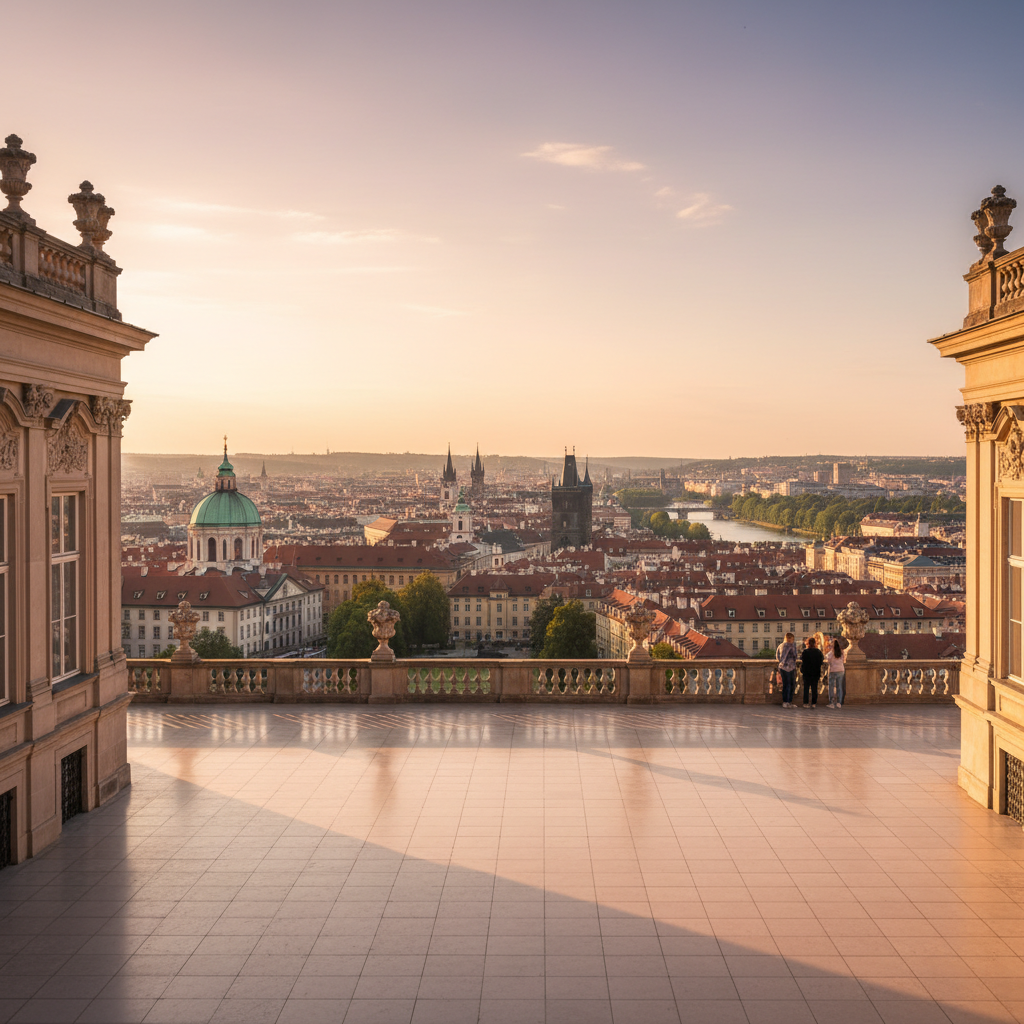
One more thing people misread: the “best view” is often outside the palace walls, across a river, from a public park, or from a nearby hill. This guide focuses on where the views actually happen, plus how to plan around crowds and closures without over-optimizing the fun out of it.
What “views” really mean for palace trips (and why it changes your plan)
When travelers say they want views, they usually mean one of three things, and each type favors different palaces.
- Terrace and garden vistas: long, symmetrical sightlines, fountains, and elevated viewpoints.
- City-and-palace skyline shots: the palace as part of the urban panorama, best from a distance.
- Landscape drama: cliffs, lakes, mountains, or coastal backdrops that do half the work for you.
So if you only book timed-entry tickets and ignore outdoor access, you might miss the payoff. Many palace complexes are at their best early or late, when light is softer and crowds thin out.
Key takeaway: prioritize outdoor access and viewpoints first, then decide whether the interior tour is worth the added cost and time.
A quick shortlist: palace view winners (with what to shoot)
Below are reliable picks for travelers building a views-first itinerary. Availability can vary by season and renovations, so it’s smart to confirm official hours before you lock trains or flights.
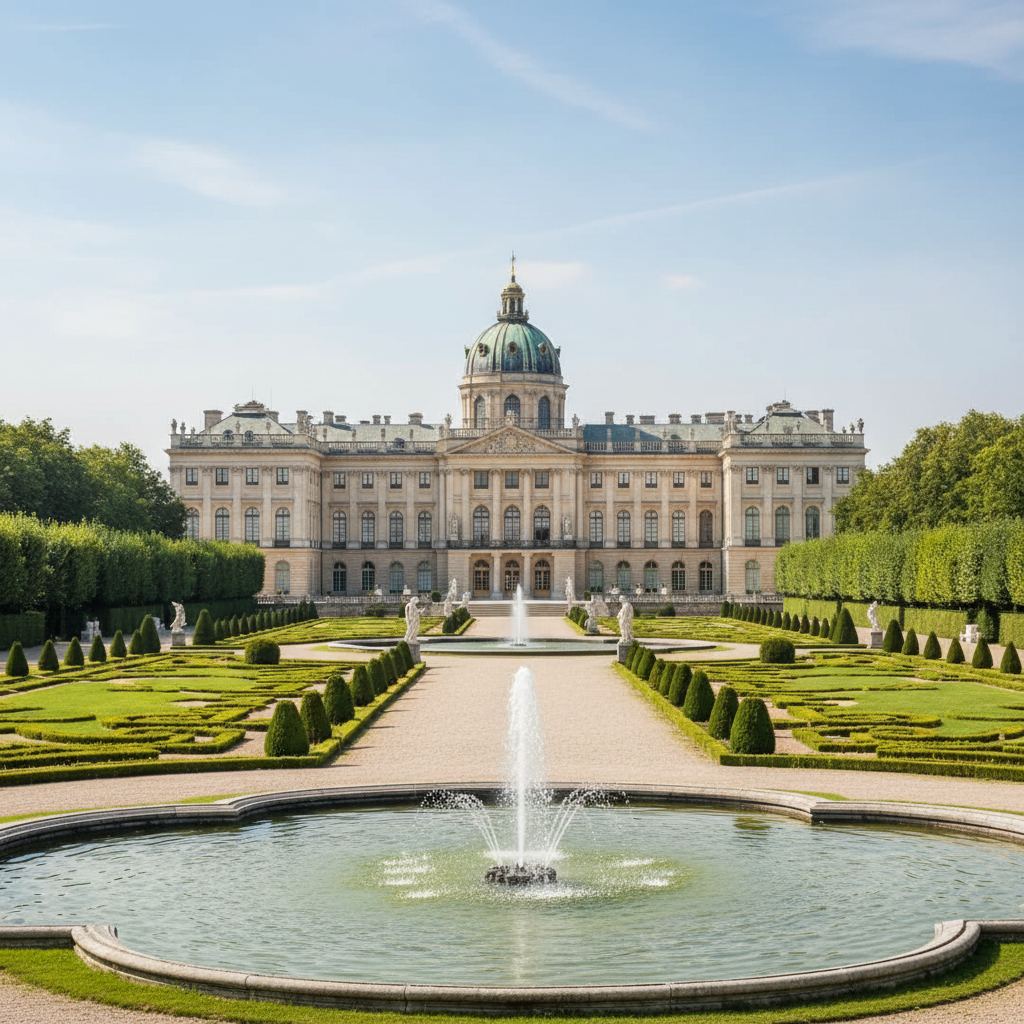
- Palace of Versailles (France): garden axes, Grand Canal reflections, and terrace framing from the palace steps.
- Schönbrunn Palace (Vienna, Austria): the Gloriette hill gives you a classic “palace plus city” angle.
- Alhambra (Granada, Spain): layered courtyards and city views from nearby overlooks, especially around sunset.
- Pena Palace (Sintra, Portugal): foggy-day drama and ocean-facing vistas when skies clear.
- Neuschwanstein (Bavaria, Germany): the famous bridge viewpoint, plus surrounding lakes and foothills.
- Royal Palace of Madrid (Spain): cathedral-facing viewpoints and sunset light from the nearby parks.
These aren’t the only options, but they’re dependable “views palaces” for many US travelers doing their first or second Europe trip.
Compare the top options at a glance
If you’re trying to choose between nearby cities, a simple comparison helps. Use this table as a planning filter, not a strict ranking.
| Palace / Area | Best view type | Best time of day | Planning watch-outs |
|---|---|---|---|
| Versailles (Paris) | Gardens + long sightlines | Morning, late afternoon | Timed entry, large grounds, busy weekends |
| Schönbrunn (Vienna) | Hilltop panorama | Late afternoon | Gloriette walk, seasonal events |
| Alhambra (Granada) | City + architectural detail | Golden hour | Ticket rules, strict entry timing |
| Pena (Sintra) | Landscape drama | Morning for clarity | Fog/wind, shuttle logistics |
| Neuschwanstein (Bavaria) | Iconic exterior viewpoint | Early morning | Weather, bridge crowding, timed tours |
Why some palace views disappoint (common real-world reasons)
People rarely regret going to famous palaces, but they often regret how they planned the day. A few patterns show up again and again.
- You only saw interiors: rooms are beautiful, but photos often look similar across many palaces.
- Midday lighting flattened everything: harsh sun can wash out stone and gardens, and you’ll fight shadows.
- Season didn’t match expectations: winter gardens can feel empty, summer haze can soften panoramas.
- Viewpoints require extra walking: the “money shot” may be a 15–40 minute climb or a shuttle line.
- Renovations and access changes: terraces, bridges, or wings may close temporarily.
According to UNESCO, many heritage sites manage visitor impact through controlled access, route design, and periodic restrictions, which can affect what you can see on any given day.
This is why “palace travel destinations europe” planning works best when you treat viewpoints like separate attractions, with their own timing.
Self-check: which palace-view itinerary fits you?
Pick the profile that sounds most like your trip. It will tell you what to prioritize when you book.
- “I want the iconic photo”: choose Neuschwanstein, Pena, or Schönbrunn, and plan for early arrival.
- “I want gardens and slow walking”: Versailles or Schönbrunn, with flexible time blocks.
- “I’m doing a city break”: Royal Palace of Madrid or similar urban palaces, plus nearby parks/viewpoints.
- “I can’t handle hills or long climbs”: favor palaces with easy access viewpoints, and confirm elevator/shuttle options.
- “I hate crowds”: shoulder season, first entry slots, and viewpoints that don’t require a single bottleneck path.
If you checked multiple boxes, that’s normal. In practice, you’ll optimize for two things, then accept trade-offs on the rest.
Practical planning steps (tickets, timing, photos, and backup plans)
Here’s a simple approach that keeps you from building a fragile itinerary.
1) Lock the constraints first
- Check official site hours and last-entry times before choosing a day trip.
- Book timed-entry tickets when required, then plan viewpoints around that slot.
- Leave extra time for security lines, on-site transit, and restroom breaks.
2) Plan the view, not just the palace
- Find two viewpoints: one inside the complex, one outside (park, riverbank, hill).
- Use golden hour when possible, and keep midday for interiors or cafes.
- Build a weather hedge: if fog or rain hits, shift to interiors and save the panorama for the next morning.
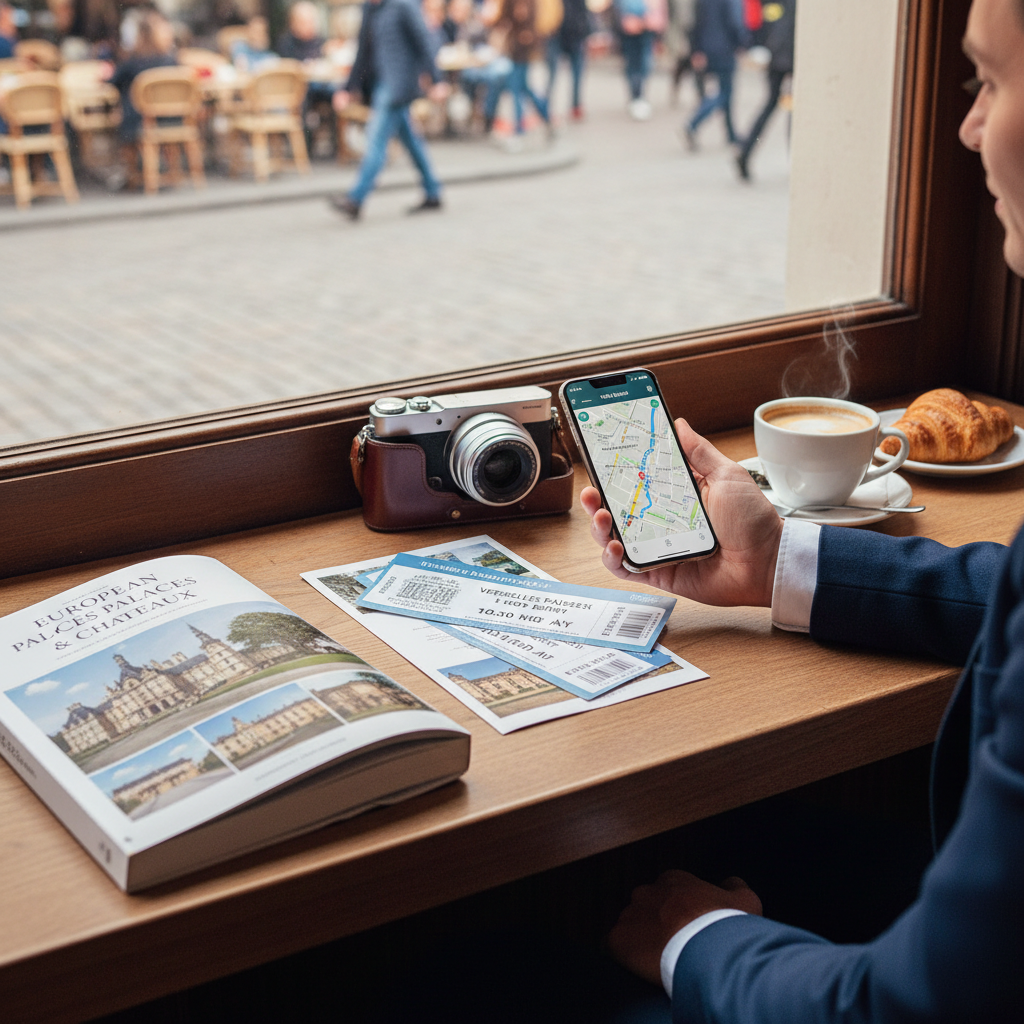
3) Make photos easier on yourself
- Arrive 30–60 minutes earlier than you think you need, especially for famous bridges or terraces.
- Bring a lens cloth, palaces plus fountains equal spray and smudges.
- If tripods are restricted, a small clamp or handheld stabilizer may be more realistic, but rules vary, so check ahead.
4) Keep the day pleasant
- Wear shoes you can walk in for hours, even “flat” gardens add up fast.
- Carry water and a light layer, hilltop palaces can feel windy even in summer.
- If you have mobility concerns, it’s worth reviewing accessibility notes and contacting the site directly.
Mistakes to avoid when choosing palace travel destinations for views
These are small choices that quietly ruin the day.
- Overstuffing: two palaces in one day sounds efficient, but transit and lines usually say otherwise.
- Assuming “free gardens” means “best views”: sometimes the best terrace is ticketed, sometimes the best view is outside.
- Ignoring local transit reality: Sintra and Bavarian day trips can run on shuttle queues and limited parking.
- Buying the wrong ticket type: some sites separate grounds access from interiors, read what your ticket actually covers.
If you’re building an itinerary around palace travel destinations europe, a little realism here saves a lot of stress later.
When to get extra help (and what “help” actually means)
Most travelers can self-plan, but a few situations justify asking for support.
- Tight time windows: if you have one day and must hit a timed-entry site, a local guide or agent can reduce risk.
- Accessibility needs: confirm routes, elevators, shuttle stops, and viewing platforms with the venue.
- High season travel anxiety: a small-group tour may be worth it if you’d rather avoid logistics, though you trade flexibility.
- Safety questions: for cliffside paths or winter conditions, follow local guidance and consider professional advice if unsure.
According to the U.S. Department of State, travelers benefit from reviewing destination-specific advisories and local requirements before international trips, especially when plans include remote areas or winter driving.
Conclusion: pick palaces like a photographer, not a checklist
The best “views” trips usually come from choosing fewer palaces, building time around the viewpoint, and keeping a weather-friendly backup. If you’re deciding between options, start with the view type you want most, then match it to a palace that makes that view easy to access.
Action ideas: choose one flagship palace day, pick two viewpoints for it, then block a second morning for a quieter garden or city palace so your trip doesn’t hinge on a single perfect forecast.
FAQ
- What are the best palace travel destinations europe for panoramic views?
Schönbrunn’s Gloriette, Pena Palace in Sintra, and Neuschwanstein’s exterior viewpoints are common favorites because the scenery does a lot of the work, even before you step inside. - Do I need to buy interior tickets to get the best views?
Not always. Many top photos come from gardens, terraces, or public overlooks nearby, but some complexes place key viewpoints behind a ticketed zone, so it’s worth checking the access map. - How early should I arrive for famous palace viewpoints?
In many cases, 30–60 minutes before you plan to shoot is a comfortable buffer. For bottleneck spots like bridges, earlier often means a calmer experience and cleaner photos. - Which palace destinations work well as day trips from major cities?
Versailles from Paris and Schönbrunn within Vienna are straightforward. Neuschwanstein and Sintra can be day trips too, but they run more on transit timing and queues. - Are palace gardens worth it in winter?
They can be, but expectations matter. You may lose flowers and fountains, yet gain emptier paths and moodier skies; the “best” choice depends on what you want to photograph. - What should I do if rain or fog ruins the view?
Shift to interiors or museums, then try again the next morning. Many travelers get their best shots on a second attempt when weather breaks, so keeping a flexible slot helps. - Can I fly a drone at European palaces for aerial views?
Often no, or only with permissions that can be hard to obtain. Rules vary widely, and heritage sites frequently restrict drones, so check local laws and site policies before you go.
If you’re planning palace travel destinations europe and want a simpler path, build your shortlist around one “big view” palace plus one easy-access city palace, then let tickets and transit decide the final order, it’s usually the least stressful way to get great scenery without turning your vacation into a spreadsheet.