
Road trip essentials for car usually come down to three things: comfort, safety, and not having to pull off the highway every hour because you forgot something small but critical. If you pack with those buckets in mind, the drive feels easier, passengers complain less, and you spend more time enjoying the trip instead of troubleshooting it.
A lot of people focus on big items like luggage and snacks, then get surprised by the little pain points: cords that don’t reach the back seat, trash piling up, sunglasses missing at the worst time, or a tire pressure light that suddenly becomes “today’s project.” This guide keeps it practical, not precious.
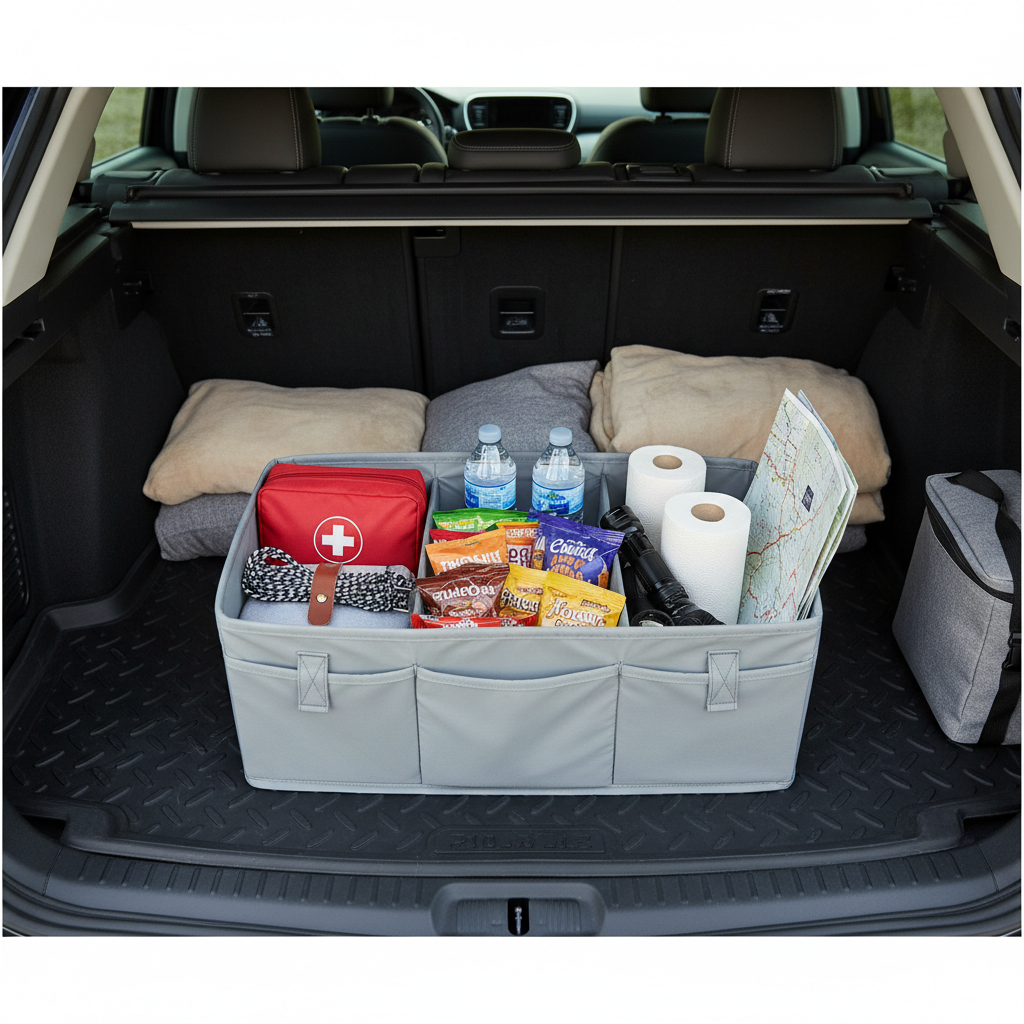
Below you’ll find a realistic packing approach, a quick self-check to match gear to your trip style, and a few “don’t learn this the hard way” reminders. Use it as a base, then adjust for weather, distance, and who’s riding with you.
Start with a quick pre-trip car check (it saves trips later)
Before shopping for gadgets, make sure the car itself is ready. Many breakdown stories start with something basic, not exotic. According to NHTSA, regular vehicle maintenance plays an important role in road safety, and a quick check before long drives is a sensible habit.
- Tires: pressure (including spare), tread, and any visible damage. If you’re unsure what “good tread” looks like, a tire shop can check quickly.
- Fluids: engine oil, coolant, windshield washer fluid. If the car has a history of low coolant, consider a professional inspection.
- Lights and wipers: headlights, brake lights, turn signals, and wiper blades that don’t smear.
- Brakes and battery: especially if you’ve noticed slow starts or squealing. Don’t gamble if the drive is remote.
Key point: if your dashboard already shows a warning light, handle it before departure. Hoping it disappears is not a strategy.
Comfort essentials that matter after hour two
Comfort gear isn’t about luxury, it’s about preventing the small annoyances that quietly ruin long drives. The best road trip essentials for car comfort are usually the boring ones you’ll use constantly.
Cabin comfort kit
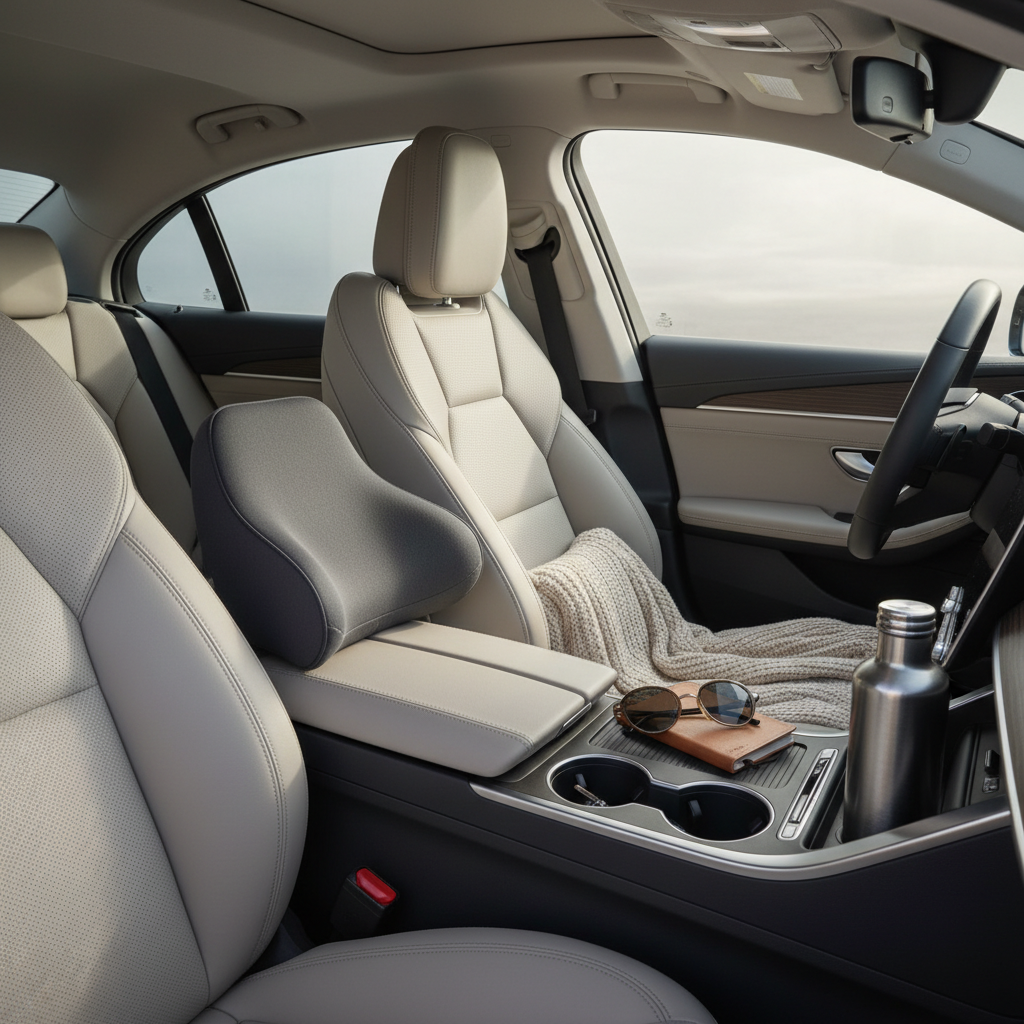
- Seat support: lumbar cushion or small pillow, especially for older seats.
- Layering: light blanket or hoodie per person, because AC debates never end.
- Sunglasses + backup pair: glare fatigue is real, and it sneaks up.
- Water bottle: reusable, easy to open one-handed when parked.
Keep the air and noise tolerable
- Air freshener (mild): strong scents can trigger headaches for some passengers.
- Earplugs: great for passengers who want to rest, especially with kids in the back.
- Window shades: helps with heat and sun in rear seats.
One more thing people forget: hand comfort. Dry air plus steering wheel time can mean cracked hands fast, so a small unscented lotion goes a long way.
Safety and emergency essentials (the “hope you don’t need it” list)
Some road trip essentials for car safety feel optional—right until they’re not. You don’t need a doomsday kit, but you do want basic coverage for common issues: a dead phone, a flat tire, a minor injury, or being stuck on a shoulder.
- First aid kit: include bandages, antiseptic wipes, tweezers, and any personal meds. If you have medical conditions, it may be wise to ask a clinician what’s appropriate for travel.
- Jumper cables or jump starter: jump starters are simpler for solo travelers.
- Tire plan: spare + jack + lug wrench that fits, and a tire inflator or sealant (note: sealant can complicate repairs on some tires).
- Flashlight/headlamp: with fresh batteries or USB rechargeable.
- Reflective triangles or flares: for visibility if you must stop on the roadside.
- Multi-tool: basic cutting and tightening tasks.
According to FEMA, emergency kits commonly include water, a light source, and basic supplies, and while you’re not packing for a disaster movie, the same logic applies on long drives through quiet stretches.
Navigation, charging, and “don’t lose signal” basics
Navigation problems rarely start with the GPS itself; they start when phones overheat, cords fail, or you hit a dead zone with no cached maps. This is where road trip essentials for car planning pays off.
- Car charger + long cable: long enough to reach back seats if passengers need it.
- Power bank: useful when you’re outside the car, at viewpoints, or waiting for help.
- Phone mount: keeps eyes up, not down. Place it where it doesn’t block vents or sight lines.
- Offline maps: download your route areas ahead of time.
- Paper backup: even a printed route overview can calm things down when tech fails.
Key point: test your setup the day before. A mount that falls off on the first turn becomes an instant distraction.
Food, hydration, and trash control (the unglamorous game-changers)
Long drives feel longer when everyone is hungry, sticky, or annoyed by crumbs. A few simple road trip essentials for car cleanliness and snacks can keep the cabin livable.
Smart snack strategy
- Low-mess foods: nuts, granola bars, jerky, dried fruit, string cheese in a cooler.
- Real meals (planned): pick 1–2 known stops so you’re not making decisions while tired.
- Hydration: keep water accessible, but balance it with planned restroom stops to reduce stress.
Clean car kit
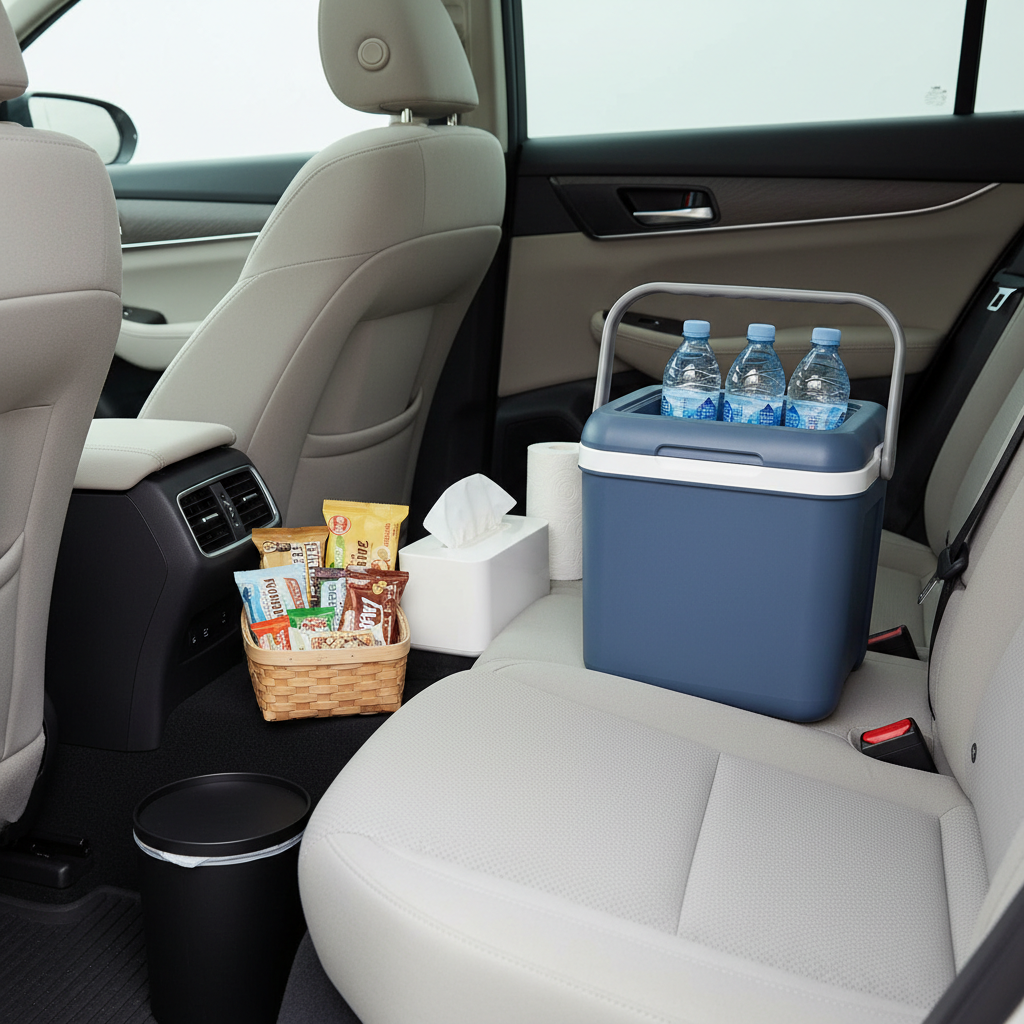
- Trash container: a small hanging bin or lined box in the back seat works.
- Wet wipes + tissues: for hands, spills, and quick cleanup.
- Paper towels: still the MVP for bigger messes.
Families often add one more item: a “spill response” zip bag with a spare shirt for kids and a small stain wipe. It sounds extra, but it’s usually worth it.
Organization essentials: keep the small stuff from taking over
Most people don’t pack too much, they pack without a system. If everything floats around the cabin, you waste time, get distracted, and lose things. Good road trip essentials for car organization make the drive calmer.
- Trunk organizer: separates safety gear, food, and random tools.
- Seat-back organizer: for tablets, wipes, headphones, and books.
- Zip pouches: one for charging, one for toiletries, one for “tiny but important” items.
- Document folder: insurance, registration, reservation printouts, roadside assistance info.
Key point: assign zones. If every category has a home, you stop “searching” while driving, which is a safety issue, not just an annoyance.
Quick self-check: what kind of road trip are you actually taking?
Use this to decide what to prioritize. Different trips need different road trip essentials for car packing, and this keeps you from overdoing it.
- Long highway days (6+ hours): comfort, charging, hydration, audiobooks.
- Remote routes: tire gear, flashlight, extra water, offline maps.
- Winter driving: warm layers, scraper, traction aids, and more conservative timelines.
- Kids or pets: cleanup kit, seat protection, extra snacks, frequent stops.
- City-to-city: parking plan, toll tags, compact organization matters most.
A practical packing table you can copy
If you want a fast checklist, this table covers the core categories without turning your trunk into a warehouse.
| Category | Essentials | Nice to Have |
|---|---|---|
| Safety | First aid kit, flashlight, triangles, tire tools | Jump starter, work gloves, emergency blanket |
| Comfort | Water, sunglasses, layers, seat support | Neck pillow, earplugs, small fan |
| Tech | Car charger, long cables, phone mount | Power bank, offline maps printout |
| Food/Clean | Low-mess snacks, wipes, trash bag/bin | Small cooler, paper towels, stain wipes |
| Organization | Trunk organizer, zip pouches, document folder | Seat-back organizer, labels |
Common mistakes that make a “packed” car feel unprepared
- All snacks, no water: salty foods plus dry cabin air feels rough fast.
- Buying gear but not testing it: inflators, mounts, and jump starters should be checked before the trip.
- No plan for trash: clutter escalates quickly, especially with kids.
- Overpacking the cabin: too many loose items become distractions and potential hazards in sudden stops.
- Skipping rest planning: tired driving is a real safety concern; if fatigue is likely, consider shorter drive days.
According to CDC, drowsy driving is a serious risk, and while everyone’s tolerance differs, planning breaks and switching drivers when possible is generally a safer approach.
Conclusion: pack to reduce friction, not to look prepared
The best road trip essentials for car travel are the ones that prevent small problems from becoming big distractions, especially comfort items, charging reliability, and a basic safety kit. If you do one thing today, do a quick car check and build a simple organizer system, it’s the fastest way to feel “ready” without buying a ton.
If you want a second action, create a one-page checklist from the table above and keep it in your glove box so the next trip takes ten minutes to pack.
FAQ
What are the most important road trip essentials for car travel on a budget?
Focus on safety basics first: a flashlight, first aid kit, and tire readiness, then add charging cables and a trash solution. Budget trips go smoother when the “small inconveniences” stop piling up.
How do I keep my car clean during a long road trip?
A dedicated trash container plus wipes does most of the work. If you also choose low-mess snacks, you’ll notice the cabin stays manageable even after several hours.
Do I really need a jump starter if I have jumper cables?
Not always. Cables work well if you’re traveling with others or in busy areas, but a jump starter can be easier if you might be alone or parked away from help.
What should I pack for road trips with kids?
Think in “intervals”: something to eat, something to do, and something to clean up—then repeat. A seat-back organizer and a spill kit reduce mid-drive chaos.
What’s the best way to organize road trip gear in a small car?
Use soft zip pouches by category and one compact trunk organizer. Keeping the cabin clear matters more in small cars because loose items quickly get in the way.
How many snacks should I bring for a day of driving?
Plan for light snacks every couple of hours and one real meal stop. Appetite changes with stress and motion, so variety helps, but keep it simple and low-mess.
What if I’m driving through areas with poor cell service?
Download offline maps, carry a power bank, and keep a basic paper backup of your route. If you’re going truly remote, consider sharing your route and check-in times with someone you trust.
If you’re planning a trip and want a more “set it and forget it” setup, a pre-built car organizer kit with charging, cleanup, and safety basics can save time, especially when you’re packing for multiple passengers and different weather.