
Relaxation travel retreats can be a genuinely effective reset when stress has started to feel “normal,” and regular weekends off no longer touch it. The value is simple, you remove yourself from the triggers, trade noise for structure, and give your nervous system a chance to come down.
Still, not every retreat is calming, and not every “wellness” itinerary is good for stress relief. Some are packed schedules in disguise, some feel socially intense, and some are basically a nice hotel with a yoga class. This guide helps you sort what actually supports recovery, and what just looks good on Instagram.
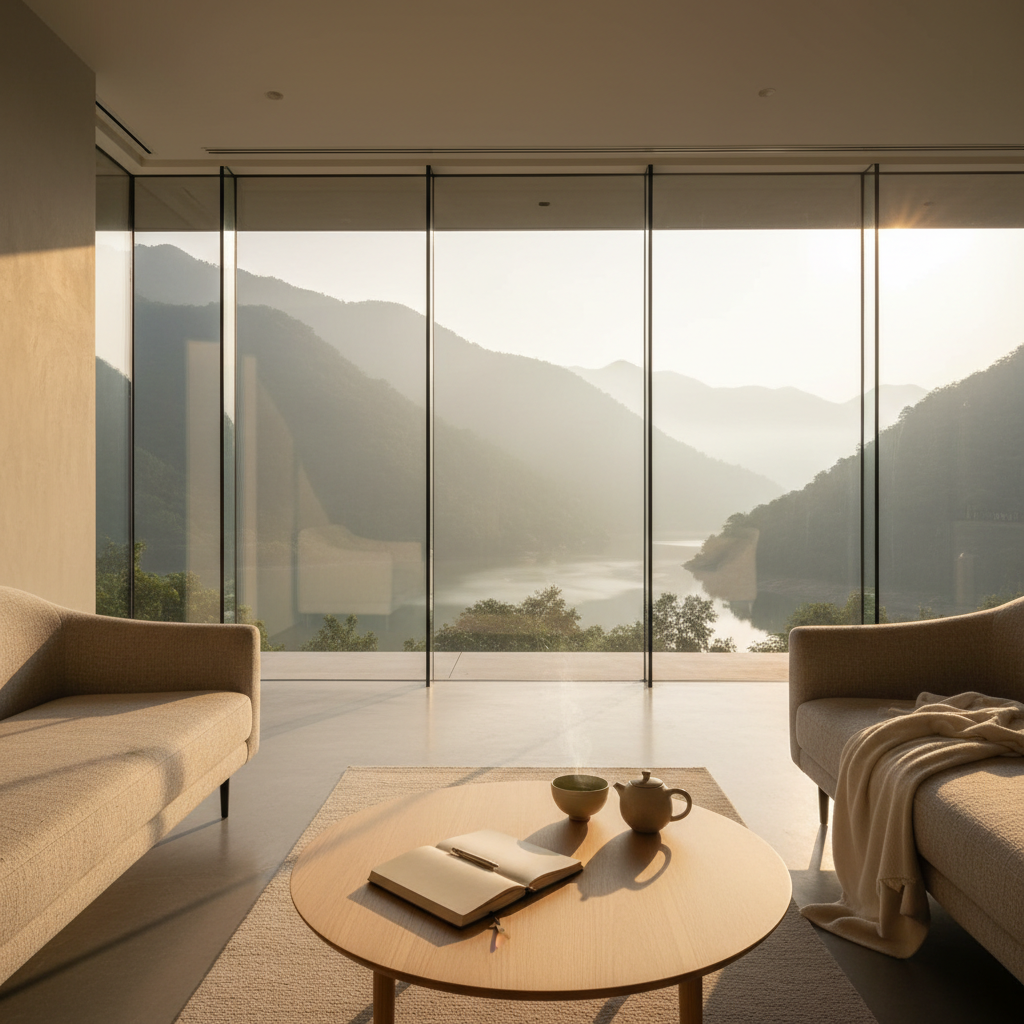
If you want a useful takeaway, think less about the destination and more about the design, sleep, food rhythm, movement intensity, and how much decision-making gets removed. Those pieces, more than the pool view, often decide whether you come back grounded or oddly more tired.
What “stress relief” really means on a retreat
Stress relief is not always about feeling blissed out all day. For many people, it means fewer spikes, fewer racing thoughts at night, and more capacity to handle normal life without snapping. A well-built retreat supports that by lowering stimulation and giving you repetition.
According to the National Institutes of Health (NIH), stress can affect multiple body systems, and approaches that support relaxation responses and healthier routines may help many people manage symptoms. That does not mean a retreat replaces medical care, but it explains why sleep, movement, and quiet matter so much.
Quick key points to keep in mind:
- Downshift: your body needs time to settle, so the first 24–48 hours often feel weird, not magical.
- Consistency beats intensity: gentle daily practices usually land better than a single “breakthrough” workshop.
- Less deciding: fewer choices can be a relief when decision fatigue drives your stress.
Common reasons people don’t feel relaxed on a retreat
If you tried one before and thought, “Why am I still tense,” you are not alone. Many retreats are well-intended but mismatched to what you actually need.
Overpacked schedules that mimic your workweek
Back-to-back sessions can keep your nervous system in “perform mode.” For stress relief, you typically want more white space than content, especially midday rest windows.
Social pressure and forced sharing
Group circles and partner exercises can feel supportive, or they can feel like emotional labor. If your stress already includes people-pleasing, pick a program with optional sharing.
Travel friction, time zones, and poor sleep setup
Long flights, late arrivals, and a loud room can wipe out the early benefits. For many travelers, a shorter flight with an earlier check-in wins over a “dream” destination.
Mismatch between “wellness” and your actual recovery needs
Some relaxation travel retreats lean athletic, others lean spiritual, others are spa-forward. None is “better,” but the wrong fit can leave you overstimulated or bored in a way that creates its own stress.
A simple self-check to choose the right type of retreat
This is the part most people skip, and then they book based on vibes. Use this quick checklist before you pay a deposit.
- Your stress pattern: are you wired and restless, or exhausted and flat?
- Your recovery lever: do you need sleep repair, emotional quiet, movement, or boundaries with devices?
- Your social preference: do you want community, or do you want privacy with light touch support?
- Your stimulation tolerance: can you handle workshops and new ideas, or do you need simplicity?
- Your body constraints: injuries, chronic pain, or health conditions that change what “rest” means.
If you mostly feel wired, look for breathwork, slow yoga, nature immersion, and earlier lights-out. If you mostly feel depleted, prioritize sleep, nourishment, gentle movement, and fewer early-morning starts.
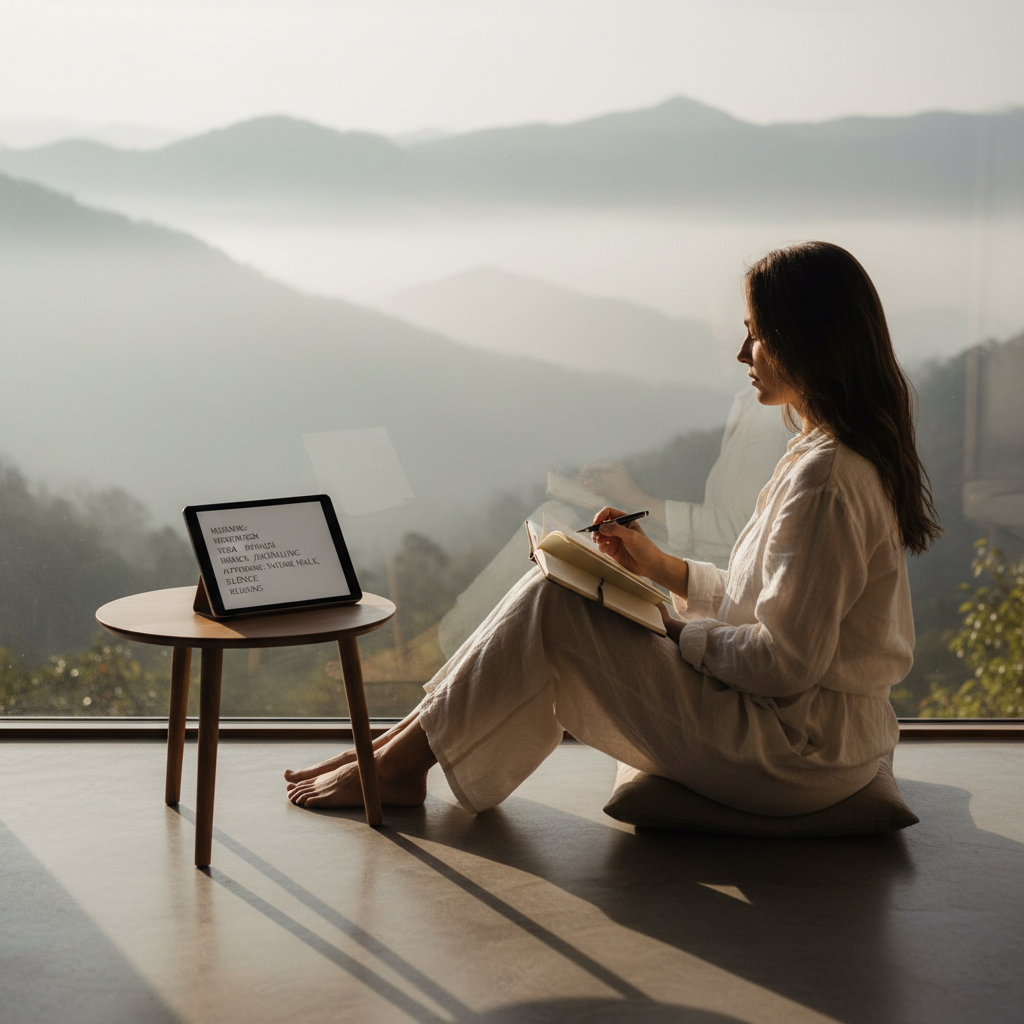
One more honest check, if the retreat marketing makes you feel like you need to “fix yourself,” that tone can backfire. For stress relief, you usually want gentle structure, not a reinvention project.
Comparing popular retreat styles (and who they fit best)
Here is a practical snapshot. Treat it like a menu, not a ranking.
| Retreat style | Best for | Watch-outs | Green flags to look for |
|---|---|---|---|
| Spa + quiet luxury | Burnout, decision fatigue, sleep reset | Can be pricey, sometimes superficial programming | Silent hours, sleep-forward amenities, flexible schedule |
| Yoga + mindfulness | Racing mind, tension, inconsistent routines | Too many classes can feel performative | Beginner-friendly options, rest blocks, trauma-informed language |
| Nature immersion (hiking, forest, coastal) | Mental overload, screen fatigue | Physical intensity may spike stress | Multiple pace groups, clear difficulty ratings, recovery days |
| Meditation/silent retreat | Deep reset, emotional clarity | Can feel intense, not ideal during acute anxiety for some | Orientation support, optional guidance, clear rules upfront |
| Creative retreat (art, writing, cooking) | Stress tied to productivity pressure | Deadlines or critiques can recreate work stress | Process-focused, low stakes, plenty of solo time |
Many people do well with a hybrid, for example spa plus a light mindfulness track, or nature days paired with restorative yoga. The calmer the goal, the more you should protect downtime.
How to plan relaxation travel retreats so they actually lower stress
Most stress comes from transitions, not the retreat itself. This is where you can be strategic.
Pick a length that matches your nervous system, not your PTO fantasy
- 2–3 nights: good for a quick decompression, best if travel is easy.
- 4–6 nights: often the sweet spot for a noticeable reset without “re-entry dread.”
- 7+ nights: great for deep rest if you can truly disconnect, but only if logistics are simple.
Reduce travel friction on purpose
- Arrive before dark when possible, your first night sleep matters more than people admit.
- Choose fewer connections, even if it costs a bit more, missed flights are not relaxing.
- Book a room away from pools, elevators, and event spaces, noise ruins recovery quickly.
Decide your “minimum effective itinerary”
For stress relief, you do not need to do everything. A realistic plan might be one guided session a day plus one solo reset block, then leave the rest open.
Example daily rhythm that tends to work:
- Morning: gentle movement or breathwork
- Midday: long lunch, nap, spa, or reading
- Late afternoon: nature walk, journaling, light workshop
- Evening: early dinner, no-screen wind-down
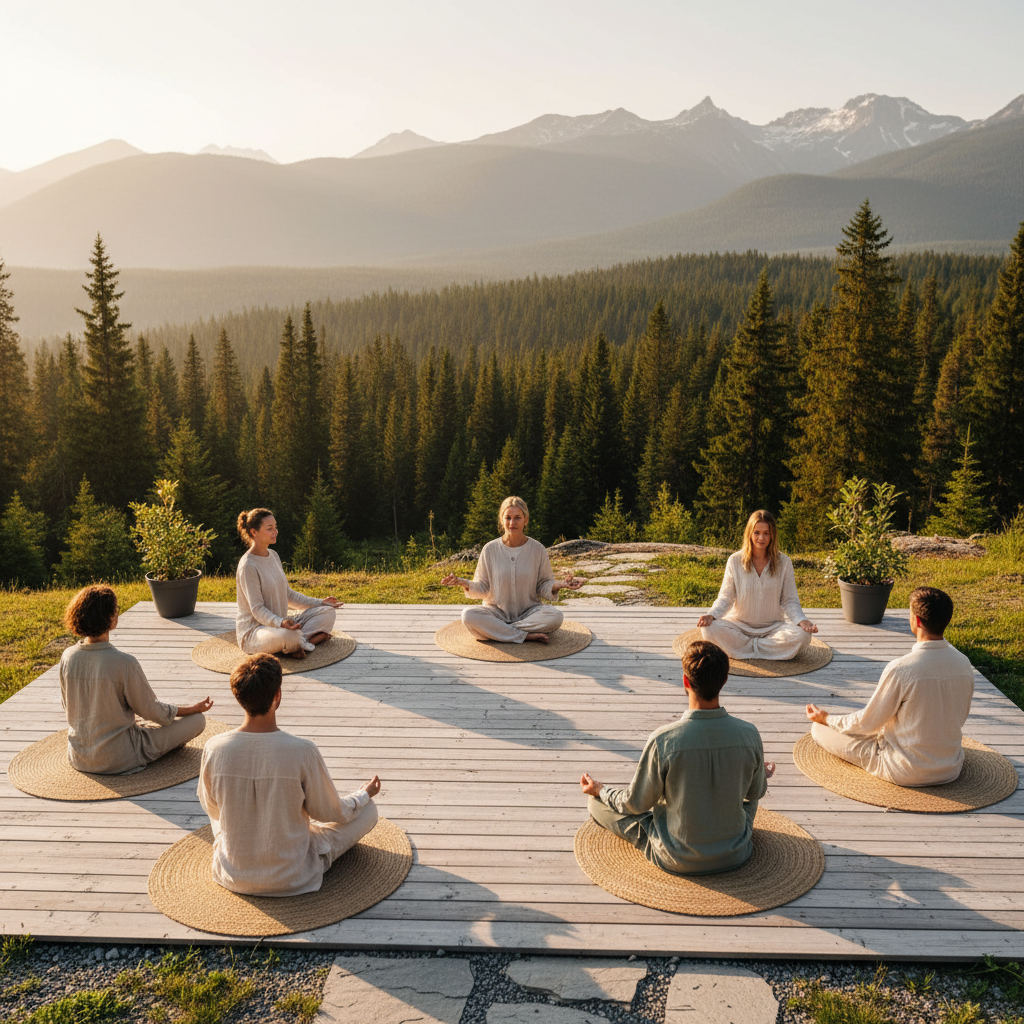
If you want one practical rule, protect your evenings. Many people sabotage sleep by socializing late because it feels “fun,” then they spend the next day chasing energy.
Practical stress-relief habits to bring home (so the retreat “sticks”)
A retreat is temporary, your calendar is not. The goal is to return with two or three habits that survive real life.
- Two-minute downshift: slow exhale breathing before checking email, meetings, or school pickup.
- One protected hour: a daily no-meeting window, even if it moves around.
- Light exposure + walking: a short morning walk can help sleep timing for many people.
- Phone boundaries: keep the charger outside the bedroom, low drama, high impact.
- A “re-entry buffer” day: if possible, avoid stacking your return with a heavy workday.
According to the Centers for Disease Control and Prevention (CDC), sleep is closely tied to health and well-being, and consistent sleep habits support better daytime functioning. If sleep is your main stress amplifier, build your retreat around it, not around activities.
Common mistakes (and how to avoid wasting your money)
These show up constantly in bookings, not because people are careless, but because stress makes decision-making messy.
- Booking the most “aspirational” retreat instead of the one you can realistically follow, choose comfort over challenge when your goal is calm.
- Ignoring refund and medical policies, read them early, and consider travel insurance if your situation is unpredictable.
- Assuming all instructors are interchangeable, look for clear credentials and a teaching style that feels safe for you.
- Overcorrecting with detox language, extreme restrictions can increase stress for some, if you have health concerns, ask a qualified clinician.
- Thinking “I’ll unplug the whole time” without planning, set an autoresponder, arrange coverage, and tell key people what to do if something is urgent.
When to seek professional support (alongside travel)
Relaxation travel retreats can complement care, but they are not a substitute for medical or mental health treatment. If stress comes with panic symptoms, persistent insomnia, depression, trauma triggers, substance reliance, or thoughts of self-harm, it is safer to speak with a licensed professional. Many retreats will also tell you directly when their program is not designed for acute conditions.
If you take medications, manage a chronic condition, or have mobility limits, consider checking with a clinician before choosing strenuous activities, heat exposure such as saunas, or major diet changes. It is a small step that can prevent a trip from turning into a health issue.
Conclusion: choosing a retreat that truly feels calming
The best relaxation travel retreats are not the flashiest, they are the ones that reduce friction, protect sleep, and make calm easy to access for several days in a row. If you choose a format that matches your stress pattern, then plan the travel like a recovery plan instead of a vacation sprint, the odds of real relief go up.
Your next step can be simple, pick one retreat style from the table that fits your current energy, then write a “minimum effective itinerary” before you book. That little bit of clarity saves a lot of money and disappointment.
FAQ
- Are relaxation travel retreats worth it for burnout?
They can be, especially when burnout shows up as poor sleep, irritability, and constant mental noise. Look for low-schedule programs with strong sleep and downtime support, not high-output “transformation” agendas. - How long should a stress relief retreat be?
Many people feel a shift around day three or four, once the initial travel stress fades. If you can manage it, 4–6 nights is often a practical balance between impact and logistics. - What should I pack for a calming retreat?
Bring layers for temperature swings, comfortable shoes, and one “sleep kit” item you trust, like an eye mask or earplugs. If you journal, pack a notebook, it helps capture habits you want to keep. - Do I need to be fit to go to a wellness retreat?
Not necessarily. Many programs offer restorative tracks, but you should confirm class intensity and terrain details before booking, and consider asking your clinician if you have health limitations. - What if I get anxious in group activities?
Choose retreats with optional sharing and private space. Quiet luxury, spa, or self-directed nature stays can still qualify as stress relief retreats without heavy group dynamics. - How do I avoid coming home stressed again?
Plan your return day like part of the retreat, fewer meetings, early bedtime, and one simple habit you keep for a week. The re-entry buffer often decides whether benefits stick. - Are silent meditation retreats safe for everyone?
They can be powerful, but they may feel intense for some people, especially with acute anxiety or unresolved trauma. If you are unsure, consider a shorter, guided mindfulness retreat or consult a licensed professional.
If you are trying to pick between a few options, it often helps to describe your stress pattern in plain words, wired, depleted, overstimulated, or numb, then match a retreat format that reduces the exact pressure you live with, not the one that sounds most impressive.