
Travel purse anti theft searches usually come from the same city-trip worry, you want to enjoy the sights without constantly checking your bag. In busy metros, that “small moment” of distraction on a train platform or at a street café is often when problems happen.
The good news, you don’t need to turn your vacation into a security mission. A well-chosen anti-theft purse lowers the odds of quick snatches, and it also makes your day smoother, fewer pockets to juggle, fewer panic checks for your phone.
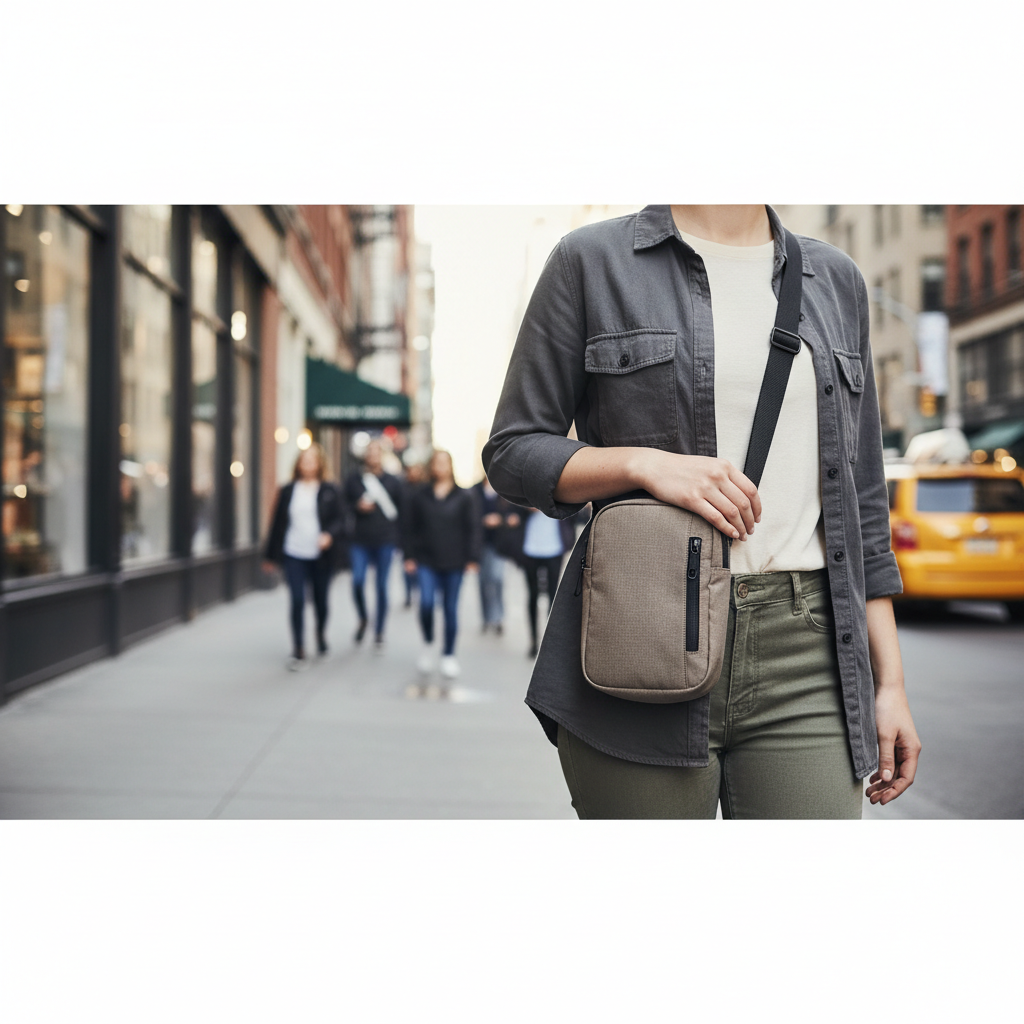
I’ll break down what actually matters in an anti-theft purse (and what tends to be marketing), how to tell which style fits your trip, and a few habits that do more than any “security feature” ever will.
What “anti-theft” really means in a city setting
In most city trips, theft is less “dramatic robbery” and more quick opportunity, unzipped compartments, an easy-to-cut strap, a bag hanging behind your chair. Anti-theft features are meant to remove those easy wins.
- Delay and friction: lockable zippers, hidden pulls, slash-resistant materials slow down grab-and-go attempts.
- Control of access: pockets that face inward toward your body reduce casual reaching.
- Positioning: crossbody carry keeps the bag in your sightline and harder to snatch.
- Reducing “open display”: less rummaging in public means fewer moments your wallet is exposed.
According to the U.S. Department of State, travelers should keep valuables secure and stay alert in crowded areas. That advice sounds generic, but it aligns with what anti-theft designs try to support: fewer obvious opportunities.
Why city trips create more theft opportunities (and how bags play into it)
Most people blame the destination, but the pattern is usually the same across cities, density, distractions, and routine. Museums, metros, festivals, transit hubs, those are “high traffic + high distraction” zones.
What makes a purse a common weak point is simple: it’s where your trip can fall apart in one minute. Lose your phone, cards, or ID and your day becomes customer service calls.
- Transit moments: boarding, tapping a fare gate, lifting luggage, you’re using both hands.
- Tourist attention drift: photos, maps, ticket scanning, looking up at buildings.
- Seating setups: purse on chair backs, under tables, or on the floor near foot traffic.
- Overpacked bags: zippers don’t close cleanly, compartments stay half-open.
Quick self-check: do you actually need a travel purse anti theft style?
Not every trip needs the same level of security. The goal is “right-sized” protection, because an overly complicated bag can make you frustrated, and frustration leads to sloppy habits.
A simple scoring checklist
- You’ll use public transit daily (especially during rush hours).
- Your itinerary includes crowded attractions where people brush past.
- You prefer carrying essentials only (phone, small wallet, passport, keys).
- You often travel solo and can’t “hand off” your bag to a friend.
- You’ve had near-misses before (open zipper, missing item, strap tug).
If you checked 3 or more, an anti-theft purse is usually worth it. If you checked 1 or 2, you may be fine with a standard crossbody plus smarter carry habits.
Features that matter (and the ones you can ignore)
Here’s the practical lens, will it prevent the common scenarios without turning your day into a puzzle? A travel purse anti theft product should make secure carry feel natural, not fussy.
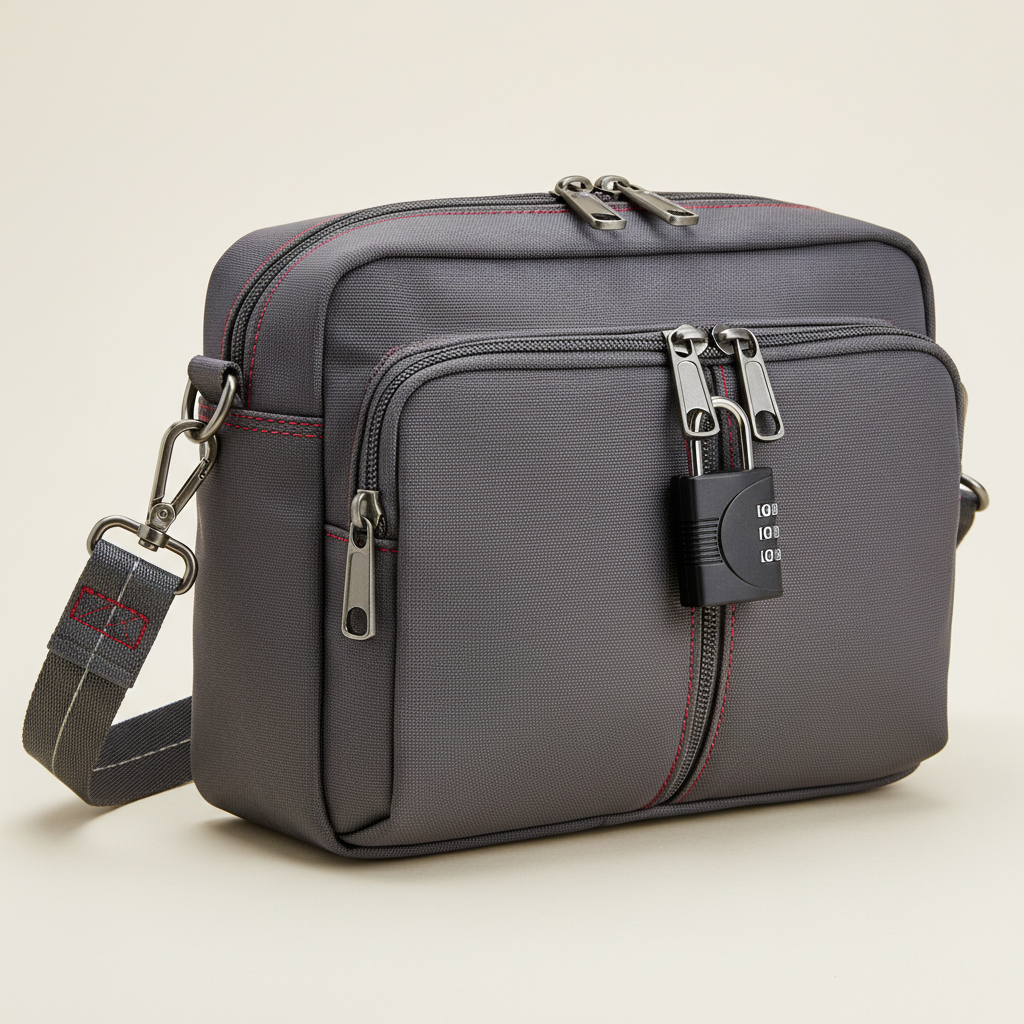
Worth prioritizing
- Lockable or securable zippers: even a simple clip system can stop casual zippering.
- Slash-resistant strap: helpful in crowded areas where a quick cut could happen.
- Body-facing access: main compartment opening sits against you, not the outside.
- RFID considerations: can be useful for cards, but not a substitute for physical security.
- Lightweight build: if it’s heavy empty, you’ll stop wearing it correctly.
Often overhyped
- Too many micro-compartments: looks organized, becomes slow in real life.
- “Military-grade” language: usually marketing unless the materials are clearly specified.
- Rigid hard shells for daily touring: can be uncomfortable and awkward in tight spaces.
Choose the right style for city touring (size, carry, and access)
People often buy the “most secure” option, then leave it in the hotel because it’s annoying. Style choice matters as much as features.
Common city-trip formats
- Slim crossbody: best for all-day walking, sits front-of-body easily in crowds.
- Compact backpack purse: better weight distribution, but you must control access on transit.
- Sling bag: quick to rotate from back to front, good compromise for cameras and water.
- Waist pack: very controllable, but can feel bulky depending on outfit and comfort.
Fit tip: adjust the strap so the bag rests high enough to keep a hand on it in crowds, but low enough that you’re not constantly re-adjusting while walking.
City-ready packing: what goes inside (and what should not)
A travel purse works best when it carries what you truly need during the day, not your whole life. Overstuffing makes closures weak and access messy.
Essentials that usually belong in the purse
- Phone, small wallet, keys
- One backup payment method
- Transit card, tickets, reservation details
- Hand sanitizer, lip balm, small tissues
- Portable charger (small) and cable
Items better kept elsewhere
- All cards at once: split them between your purse and hotel safe if possible.
- Passport all day: in many U.S. city trips you don’t need it; for international travel, rules and risk tolerance vary.
- Bulky camera gear: consider a dedicated camera sling for comfort and faster access.
Comparison table: what to look for before you buy
If you’re scanning listings, this table helps you filter quickly without getting lost in buzzwords.
| Need | Feature to prioritize | Why it helps in cities | Tradeoff |
|---|---|---|---|
| Busy transit days | Body-facing zippers + crossbody carry | Reduces easy access during boarding and crowds | Can feel slower when you need to pay fast |
| Outdoor dining, markets | Lockable zipper pulls | Prevents quick unzip while you’re distracted | Extra step each time you open |
| Long walking days | Lightweight materials + padded strap | Comfort keeps the bag positioned correctly | Ultra-light fabric may feel less structured |
| Higher theft-risk areas | Slash-resistant strap/material | Helps against cutting attempts | May cost more, may feel stiffer |
| Carry cards | RFID pocket (nice-to-have) | May reduce certain skim risks | Doesn’t replace physical security |
Practical routines that make any anti-theft purse more effective
A well-built travel purse anti theft bag helps, but habits do the heavy lifting. These are small moves that stay easy even when you’re tired.
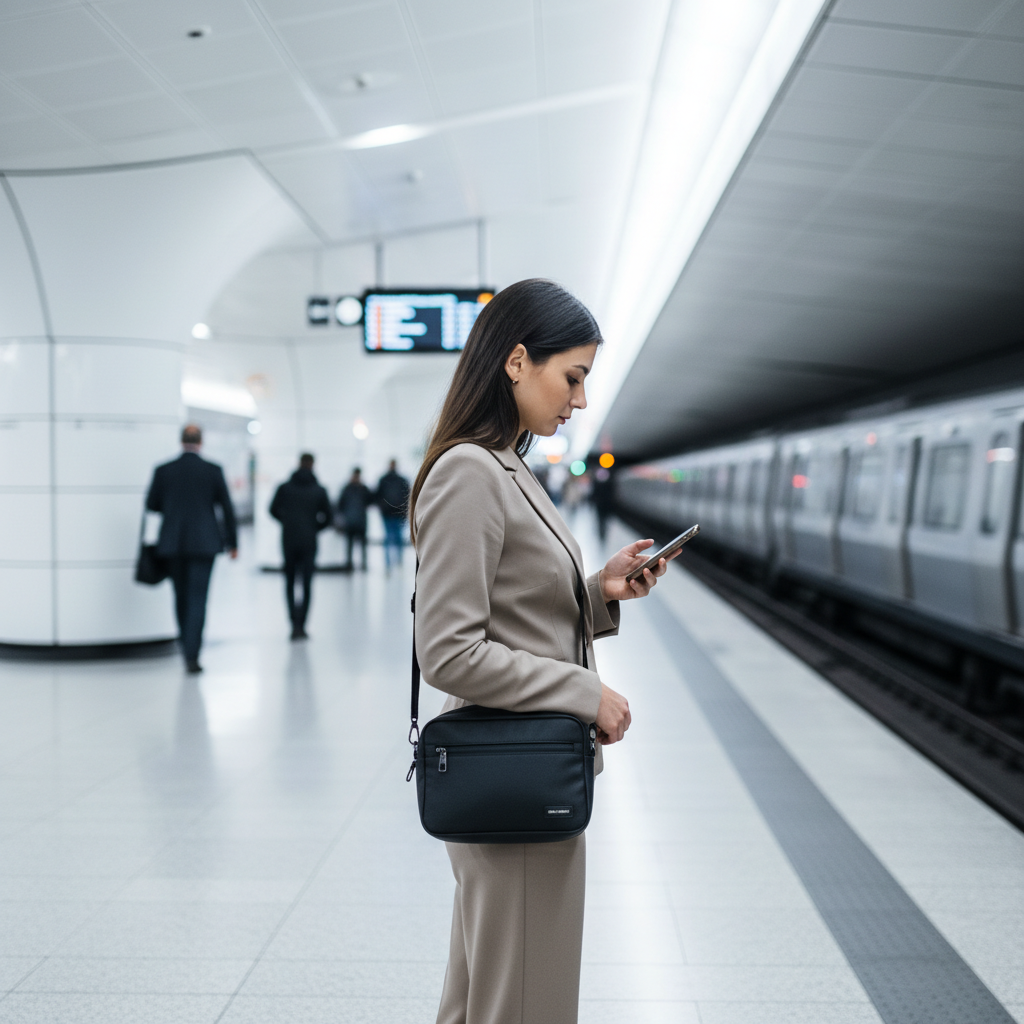
- Default to front-carry in crowds: especially on trains, escalators, and platforms.
- Close zippers every time: even for “just one minute” stops.
- Pick one pocket for your phone: muscle memory prevents accidental drops.
- Don’t hang the bag on a chair back: loop the strap around a leg or keep it in your lap.
- Use a decoy “easy” pocket: for tissues or a snack, so you’re not opening the main compartment constantly.
Common mistakes that cancel out anti-theft features
These are the patterns that show up again and again, even with good gear.
- Wearing the crossbody behind you: it becomes a small backpack, access control disappears.
- Leaving zipper pulls unclipped: a lockable zipper only helps when used.
- Over-relying on RFID: it doesn’t stop a hand from taking your wallet.
- Carrying every important document daily: one loss becomes an “everything” loss.
- Putting the purse on the café table: snatch-and-run stays fast even in nice neighborhoods.
When you may want extra help or a different approach
If you’re traveling with medical devices, carrying sensitive work equipment, or visiting areas with elevated theft risk advisories, it can be smart to plan beyond a purse. That may include a hotel safe strategy, backup phone plans, or a consultation with a travel security professional for higher-risk itineraries.
According to the U.S. Department of State, checking destination-specific advisories and local conditions helps travelers make better decisions. If your trip includes complex border crossings or document requirements, consider confirming what to carry day-to-day with an appropriate professional source.
Key takeaways for choosing an anti-theft purse for city trips
If you want the simplest decision rule, choose comfort and controlled access over gimmicks. Look for a secure closure you’ll actually use, a carry style you won’t fight all day, and just enough organization to keep you from rummaging.
- Prioritize lockable zippers, a strong strap, and body-facing access.
- Keep the load light so the bag stays where it should.
- Build two habits (front-carry in crowds, zip closed always) and you’re ahead of most travelers.
If you’re shopping now, make a short list of your daily itinerary moments, transit, museums, markets, then pick the purse features that match those moments rather than buying the most “armored” option.
FAQ
What size anti-theft purse is best for a city trip?
Most travelers do well with a slim crossbody that fits a phone, small wallet, keys, and a compact charger. If it forces you to leave zippers open, it’s too small.
Is RFID blocking necessary in a travel purse anti theft design?
It can be a nice extra for card peace of mind, but physical access control usually matters more in crowded city scenarios. If RFID adds bulk or cost, it’s fine to skip.
Are anti-theft purses allowed in museums and venues?
Usually yes, but bag policies vary by venue and city. If your purse is large or looks like a backpack, check the venue website so you don’t get stuck at a bag check line.
Should I carry my passport in my purse while sightseeing?
It depends on your destination and your comfort level. Many people prefer leaving it secured at lodging and carrying a copy, but rules and risk vary, so consider what your trip requires.
How do I wear a crossbody purse safely on public transit?
Keep it in front of your torso, especially near doors and during boarding. When you need to access it, step aside rather than opening compartments while moving with the crowd.
Do slash-resistant straps really help?
They can reduce risk in situations where cutting is plausible, but they won’t prevent every type of theft. Think of them as one layer that supports better carry habits.
What’s the safest way to handle payments at busy markets?
Keep one card and a small cash amount easy to reach, then store the rest deeper. The less time your wallet is exposed, the fewer chances for mistakes.
If you’re trying to pick a purse quickly, focus on the moments you’ll repeat all day, transit taps, ticket checks, café stops, and choose a setup that keeps your hands free without making access annoying. A practical anti-theft bag plus a couple of consistent habits usually beats a feature-packed option you stop using by day two.