
spa travel retreats luxury trips work best when they’re not just “a nice hotel with a massage,” but a reset that’s designed around sleep, stress, movement, and quiet time you can actually keep once you’re home.
If you’ve ever come back from a vacation more tired than when you left, you already know the problem: too many choices, too much stimulation, and a schedule that’s basically a second job. A true retreat gives you fewer decisions, steadier rhythms, and care that feels intentional instead of rushed.
This guide helps you pick the right style of luxury spa retreat, spot marketing fluff early, and plan a stay that supports real self-care, not just pretty photos. I’ll also share a practical packing list, a “treatment strategy,” and a quick decision table to match your budget and priorities.

What “Luxury” Should Mean in a Spa Travel Retreat
Luxury isn’t automatically marble floors or a bigger robe. In many cases, it’s the invisible stuff: how the schedule flows, how quiet the property stays, and how well the staff protects your downtime.
- Consistency: treatments start on time, spaces feel uncrowded, and you’re not negotiating for basics.
- Customization: intake questions that actually change your plan, not a scripted checklist.
- Recovery support: great sleep conditions, thoughtful food options, and movement that matches your energy.
- Boundaries by design: phone-free areas, quieter pools, fewer “add-ons” shoved into every moment.
According to the Global Wellness Institute, wellness travel continues to be a major segment of the tourism economy, and a lot of brands now label almost anything as “wellness.” The practical move is to evaluate what you’ll experience hour to hour, not the tagline.
Why People Choose Spa Retreats for Self-Care (and Where It Often Goes Wrong)
Most guests book spa travel retreats luxury experiences for one of three reasons: stress overload, burnout recovery, or a life transition where they want a clean mental break. All of those are valid, but the mismatch happens when expectations don’t fit the retreat format.
Common “this sounded good online” mismatches
- Too social: a lively resort vibe when you wanted silence.
- Too clinical: a performance-oriented wellness program when you wanted comfort and gentleness.
- Too packed: stacking massages, facials, workouts, and excursions, then wondering why you’re exhausted.
- Too many rules: strict protocols that feel punishing rather than supportive.
Self-care retreats should leave you feeling steadier. If you’re chasing “perfect,” you usually overbook and under-rest.
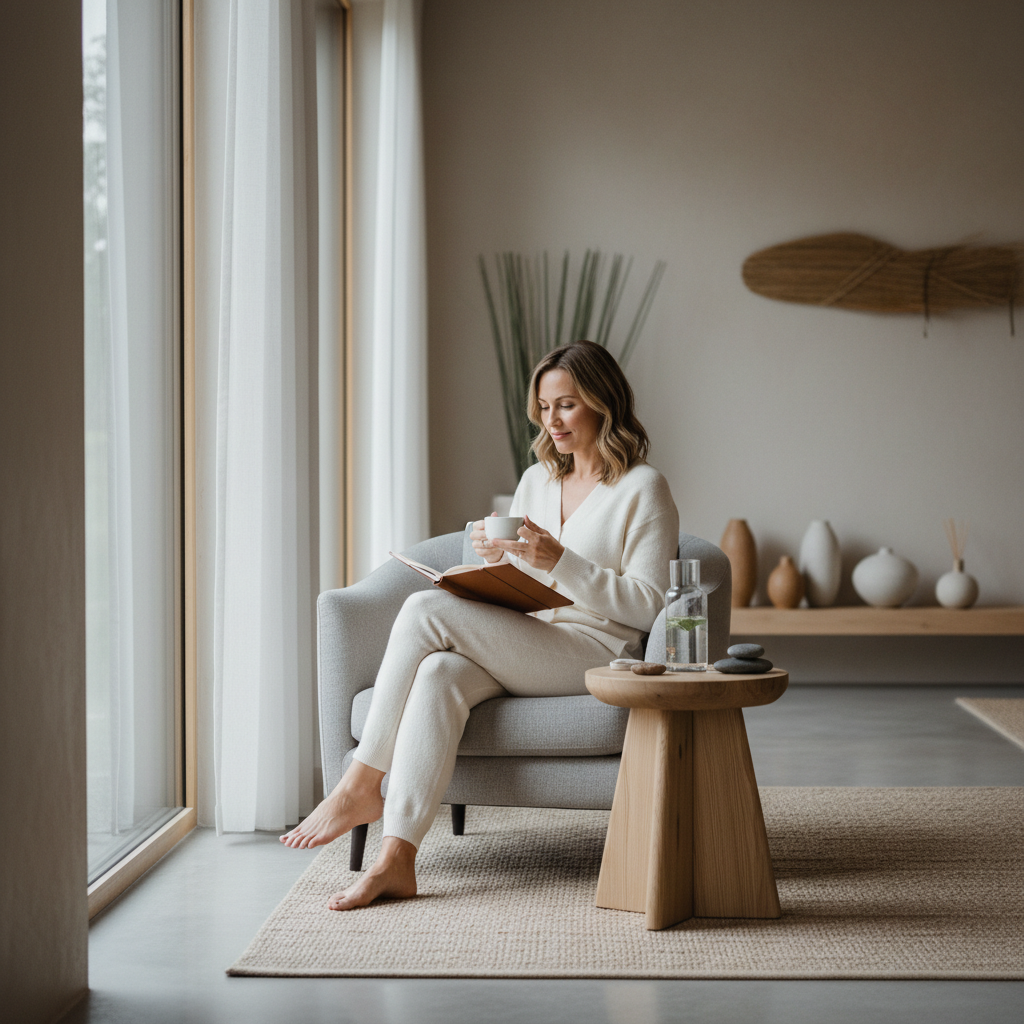
Quick Self-Assessment: Which Luxury Retreat Style Fits You?
Before you compare destinations, get clear on what you’re trying to change. Use this short checklist and be honest, it saves money and disappointment.
- You need deep rest if you’re waking up tired, snapping easily, or doom-scrolling at night.
- You need nervous-system downshift if you feel “wired but tired,” or you can’t fully relax even on days off.
- You need body relief if pain or stiffness shows up after travel, desk work, or training blocks.
- You need a reset routine if your schedule feels chaotic and you want structure you can copy at home.
If you’re managing a medical condition, pregnancy, recent surgery, or complex injuries, it’s smart to check with a clinician before booking intense heat therapies, fasting programs, or aggressive bodywork. Many resorts will also ask for clearance for certain services.
Comparing Options: Resort Spa vs Destination Spa vs Wellness Retreat
Not all spa trips function the same way. Here’s a practical comparison so you know what you’re paying for.
| Type | What it feels like | Best for | Watch-outs |
|---|---|---|---|
| Luxury resort spa | Vacation first, spa as a highlight | Couples, friends, flexible schedules | Easy to over-plan, noise and crowds vary |
| Destination spa | Spa is the main event, daily structure | Solo travelers, burnout recovery | Rules and schedules can feel rigid |
| Wellness retreat (program-led) | Theme-based: yoga, mindfulness, fitness, detox | Learning a routine you’ll continue | Quality varies, verify credentials and intensity |
For spa travel retreats luxury planning, this table is the fastest way to avoid the classic mistake: booking a party-friendly resort when you wanted a quiet, structured reset.
How to Plan a Luxury Spa Retreat That Actually Feels Restorative
The most restorative itineraries usually look boring on paper. That’s the point.
1) Book around your energy, not your ambition
- Start with one anchor treatment per day, then add only if you feel you truly want more.
- Leave a 90–120 minute buffer after bodywork for shower, hydration, and quiet time.
- Try to keep at least one completely unscheduled block daily.
2) Build a simple “treatment strategy”
- Day 1: lighter services (facial, gentle massage) to transition into rest.
- Middle days: deeper bodywork, hydrotherapy, or longer sessions.
- Last day: calming wrap, scalp treatment, or restorative massage to support travel home.
Many people try to cram all the signature treatments into the first 24 hours, then spend the rest of the trip recovering from the recovery. Space it out.
3) Ask these questions before you pay the deposit
- How many guests can the spa handle per hour, and does it feel crowded at peak times?
- Is there a quiet pool or adults-only zone, and how is it enforced?
- What’s included: thermal circuit, classes, gratuity, transfers, or just the room?
- Can the kitchen handle allergies or specific needs without drama?
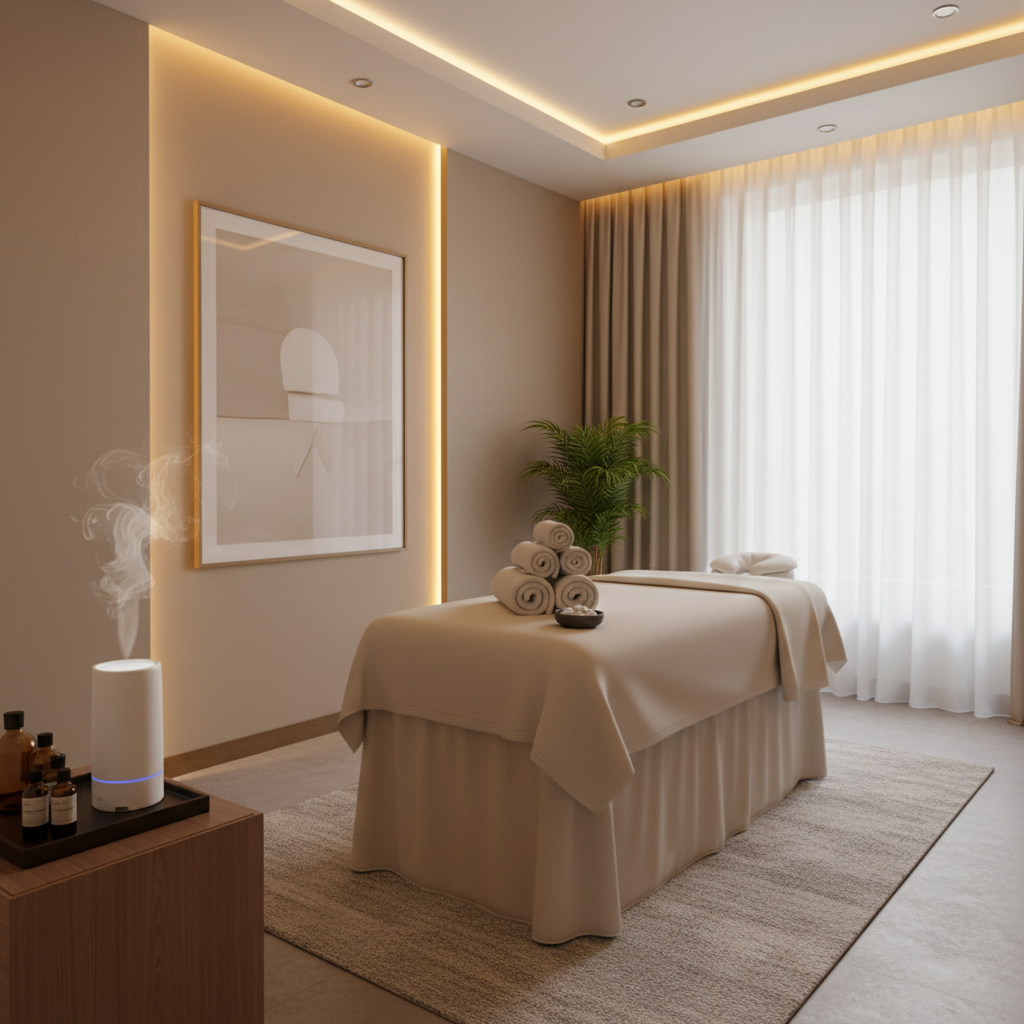
On-the-Ground Tips: Make the Retreat Feel Like Self-Care, Not a Schedule
Once you arrive, the goal is to protect the calm you paid for. A few small choices can change the whole week.
- Pick a “quiet default”: silence in the morning, low-stimulation evenings, fewer screens.
- Hydrate like it matters: heat circuits and massage can leave you depleted; ask staff what they suggest.
- Eat for steadiness: don’t under-eat and call it “clean,” especially if you’re doing sauna or workouts.
- Use the facilities slowly: thermal experiences often work best with gentle pacing, not endurance.
According to the American Massage Therapy Association (AMTA), massage can support relaxation and stress reduction for many people, but effects vary by person and condition. If you’re unsure about pressure level or contraindications, ask the therapist and adjust early rather than “toughing it out.”
Common Mistakes to Avoid (Even at High-End Properties)
Luxury doesn’t automatically prevent a bad plan. These are the avoidable ones.
- Booking back-to-back deep treatments: deep tissue plus sauna plus HIIT tends to backfire for a lot of bodies.
- Buying the biggest package: packages can be great value, but only when you want those exact services.
- Ignoring sleep logistics: late dinners, loud bars, thin walls, early excursions, all of it matters more than the facial brand.
- Skipping the intake details: allergies, injuries, anxiety triggers, even sensitivity to scents, mention them.
- Assuming “detox” means something specific: marketing language varies; ask what the program actually includes.
When It’s Worth Getting Professional Input
If you’re using a spa retreat as part of coping with anxiety, chronic pain, insomnia, or a major health change, a quick check-in with a qualified professional can help you choose safer options. That’s especially true for prolonged heat exposure, fasting or restrictive diets, intensive breathwork, or high-volume training.
Many reputable retreats have staff who can explain contraindications and suggest alternatives, but they can’t replace medical advice. When in doubt, bring your clinician a short list of planned activities and ask what to avoid.
Key Takeaways + A Simple Way to Choose
Key points to remember: spa travel retreats luxury experiences feel restorative when the environment stays calm, the schedule leaves room to breathe, and treatments match your actual needs rather than your fantasy itinerary.
- Pick the retreat type first, then the destination.
- Plan one anchor treatment per day, protect buffers.
- Ask about noise, crowding, and what’s truly included.
- If health factors exist, choose gentler options and consider professional guidance.
If you want a quick decision rule, choose a resort spa for flexibility and fun, choose a destination spa for structure and quieter days, choose a program-led retreat if you want a routine to take home.
FAQ
Are luxury spa retreats worth it for self-care?
They can be, especially if you’re paying for quiet, predictable service, and a schedule that protects rest. If the same budget could buy you more time off and fewer commitments, that might be the better self-care move.
How many spa treatments per day is reasonable?
For many travelers, one main treatment per day feels sustainable, with optional light add-ons. Two deep treatments daily often becomes tiring, particularly if you also use saunas or take long excursions.
What should I look for in a “wellness program” at a luxury retreat?
Clear descriptions of intensity, instructor credentials, and what happens if you skip a session. If everything sounds vague or overly salesy, ask for a sample schedule before booking.
Can I do a spa retreat if I have anxiety or trouble sleeping?
Often yes, but it helps to choose quieter properties and avoid overly packed itineraries. If symptoms feel severe or you’re changing medications, it’s sensible to consult a qualified professional before trying intensive protocols.
What’s the difference between a spa vacation and a spa retreat?
A spa vacation treats the spa as an activity; a retreat designs the whole stay around recovery rhythms like sleep, movement, and lower stimulation. The feel is different even when both are “luxury.”
How far in advance should I book treatments?
Many high-demand properties fill prime times early, so booking key services in advance helps. You can still leave gaps for spontaneity by reserving only your must-haves.
What should I pack for a luxury spa retreat?
Comfort-first items usually win: breathable layers, sandals, a light jacket for cool evenings, a water bottle, and something for quiet time like a book. If you plan fitness classes, pack one reliable set rather than overdoing outfits.
How do I avoid coming home and losing the “retreat feeling” immediately?
Pick one small routine you enjoyed, like a 10-minute stretch or a no-phone morning, and keep it for two weeks. The goal is a realistic carryover, not recreating the resort at home.
If you’re planning a self-care getaway and want it to feel genuinely restorative, consider starting with your non-negotiables, quiet level, sleep needs, treatment style, then compare properties against that shortlist so you don’t pay luxury prices for a vibe you don’t actually want.