
Sunrise travel destinations can be magical, but they can also be frustrating if you pick the wrong viewpoint, show up on the wrong morning, or underestimate how fast conditions change. This guide narrows the field to places where sunrise is consistently memorable, plus a practical way to plan so you’re not standing in the dark wondering if you chose wrong.
There’s a reason sunrise trips feel different from “normal” sightseeing. You’re working with fewer crowds, softer light, and a short window where everything clicks, then it’s gone. The flip side is that it demands a bit more prep: timing, access, safety, and a backup plan when clouds win.
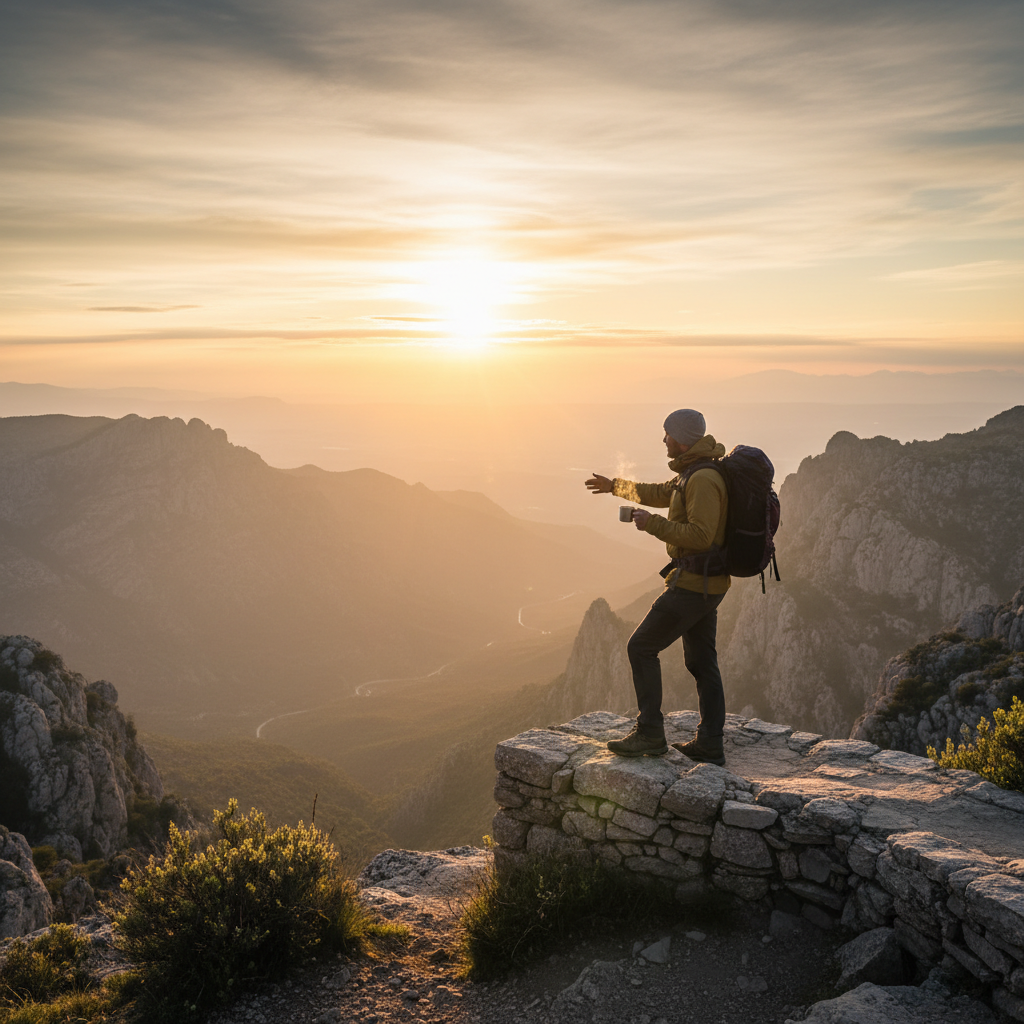
If you’re chasing photos, a quiet moment, or a “reset” feeling on a trip, sunrise is often the highest-return hour of the day. Below you’ll find destinations, a quick comparison table, how to choose based on your travel style, and the steps that make early mornings actually pay off.
What makes a sunrise destination actually worth it
Not every pretty place works at dawn. The best sunrise spots usually share a few traits, and if one is missing, your odds drop.
- Clear horizon or layered depth: ocean horizons, desert basins, and mountain overlooks give the light room to perform.
- Reliable access pre-dawn: legal entry, safe parking, predictable trail or shuttle rules.
- Good “plan B” angles: if the main lookout is crowded, you can shift 100 yards and still win.
- Weather patterns you can read: coastal fog can be amazing, but also a total wall of gray if you guess wrong.
According to the National Park Service (NPS), visitors should plan for changing weather, limited light, and wildlife activity during dawn hours, which is a polite way of saying: don’t treat sunrise like a casual stroll.
Quick comparison table: popular sunrise travel destinations
Use this as a shortlist builder, not a guarantee. Sunrise quality varies by season, wind, and cloud layers, but these places tend to deliver.
| Destination | Best for | What you’ll see at sunrise | Planning note |
|---|---|---|---|
| Haleakalā (Maui, HI) | Bucket-list crater sunrise | Sun above cloud sea, volcanic landscape | Reservations often required; dress for cold |
| Grand Canyon (AZ) | Epic scale, easy viewpoints | Color bands across canyon walls | Arrive early for parking at popular rims |
| Acadia (ME) | East Coast classic | Atlantic sunrise, rocky shoreline glow | Seasonal crowds; check road access |
| Zion (UT) | Soft light in narrow canyon | Warm highlights on cliffs, long shadows | Shuttles/parking rules vary by season |
| Key West (FL) | Easy, low-effort sunrise | Pastel sky over calm water | Scout a pier or beach the day before |
| Lake Tahoe (CA/NV) | Alpine lake reflections | Mirror water, mountains catching first light | Wind matters; pick sheltered shores |
| Joshua Tree (CA) | Desert silhouettes | Spiky trees, boulders, clean horizon | Cold mornings common outside summer |
7 beautiful sunrise travel destinations (and how to do each one right)
Below are seven picks with a mix of “iconic” and “practical.” Some are famous for a reason. Others are simply dependable and easier to execute when you’re traveling with family, limited time, or variable weather.
1) Haleakalā National Park, Maui
This is one of those sunrise travel destinations where the journey is half the point: you drive from beach-level warmth into thin, cold air and step onto a Mars-like summit. If you want the classic cloud inversion, aim for mornings after stable trade winds, though nothing is guaranteed.
- Do: bring gloves and a hat, even if your hotel is 78°F.
- Avoid: assuming you can show up last-minute; reservation rules can apply.
2) Grand Canyon National Park, Arizona (South Rim)
Grand Canyon sunrise is less about a single “perfect spot” and more about being on the rim when the first light hits the layers. Viewpoints like Mather Point are popular, but you can often walk a bit along the rim trail and get breathing room.
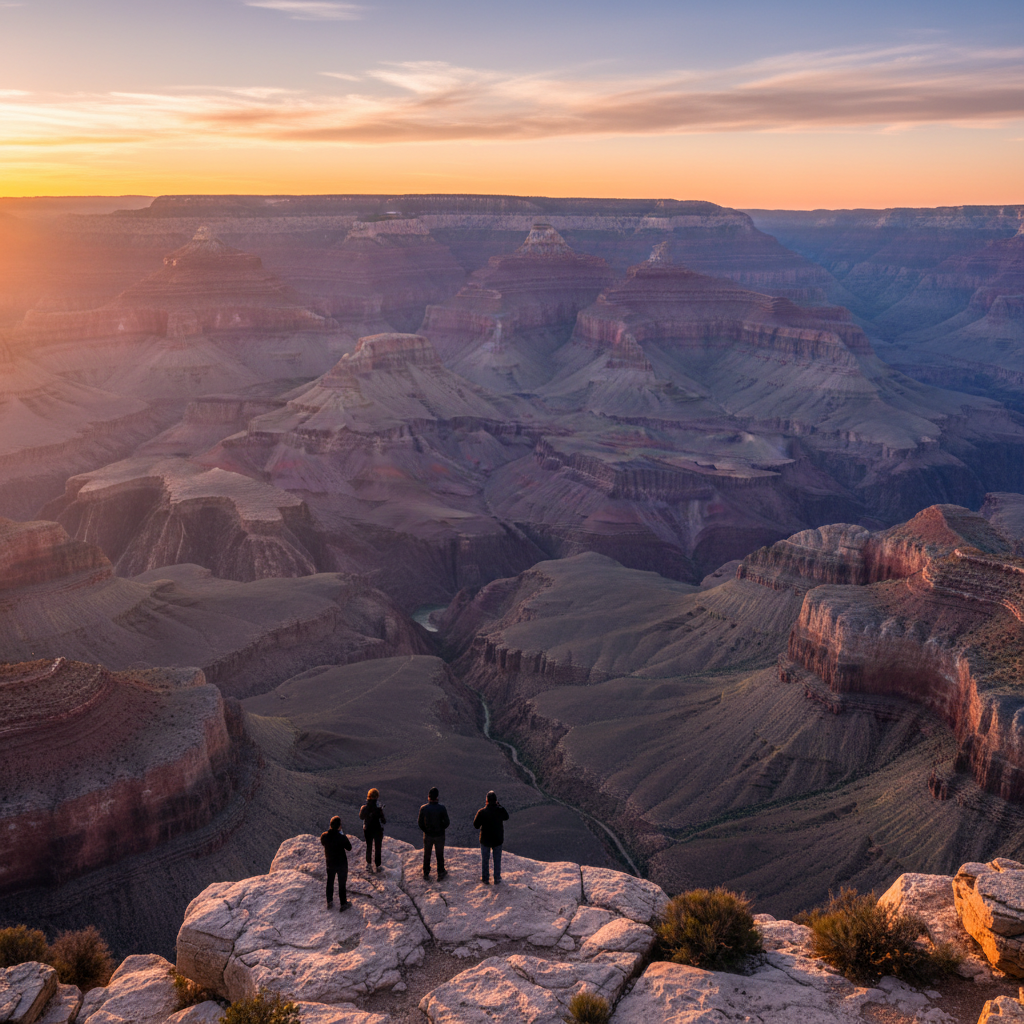
Small but important: the best color often arrives a few minutes after the sun clears the horizon, so don’t pack up the moment you “see it.”
3) Acadia National Park, Maine (Cadillac Mountain area)
Acadia is a favorite for a reason: ocean + islands + granite + clean morning air. Depending on time of year, Cadillac Mountain has a reputation for early sun, but the real win is the coastal glow across multiple viewpoints.
- Do: check for vehicle reservation requirements and road closures by season.
- Consider: alternate pullouts if the main summit area feels packed.
4) Zion National Park, Utah
Zion’s sunrise is subtler than “big horizon” destinations, but that’s the charm. Light slips into the canyon, cliffs ignite in bands, and the scene changes minute by minute. Many travelers get better results focusing on overlooks or open areas where the first rays hit rock faces.
- Do: plan around shuttle seasons and limited parking.
- Avoid: rushing into narrow trails in low light if you’re not comfortable; conditions vary.
5) Joshua Tree National Park, California
If you like clean shapes and quiet mornings, Joshua Tree delivers. The trees and boulders create strong silhouettes, and the desert often gives you a wide-open sky. It’s also one of the more forgiving sunrise travel destinations for beginners because viewpoints can be close to the road.
Pack more layers than you think you need, desert mornings can feel sharp even when the daytime forecast looks mild.
6) Lake Tahoe, California/Nevada
Tahoe is all about reflection. When the lake is calm, sunrise can look almost staged. When it’s windy, you may still get great color, but the mirror effect disappears. If you can, choose a sheltered shoreline based on wind direction and try again the next morning if conditions miss.
7) Key West, Florida (or any quiet Keys shoreline)
Key West is known for sunsets, but sunrise is the low-stress alternative: fewer crowds, pastel light, and an easy “coffee-and-a-view” vibe. For travelers who don’t want a 3:30 a.m. alarm, this is a smart pick.
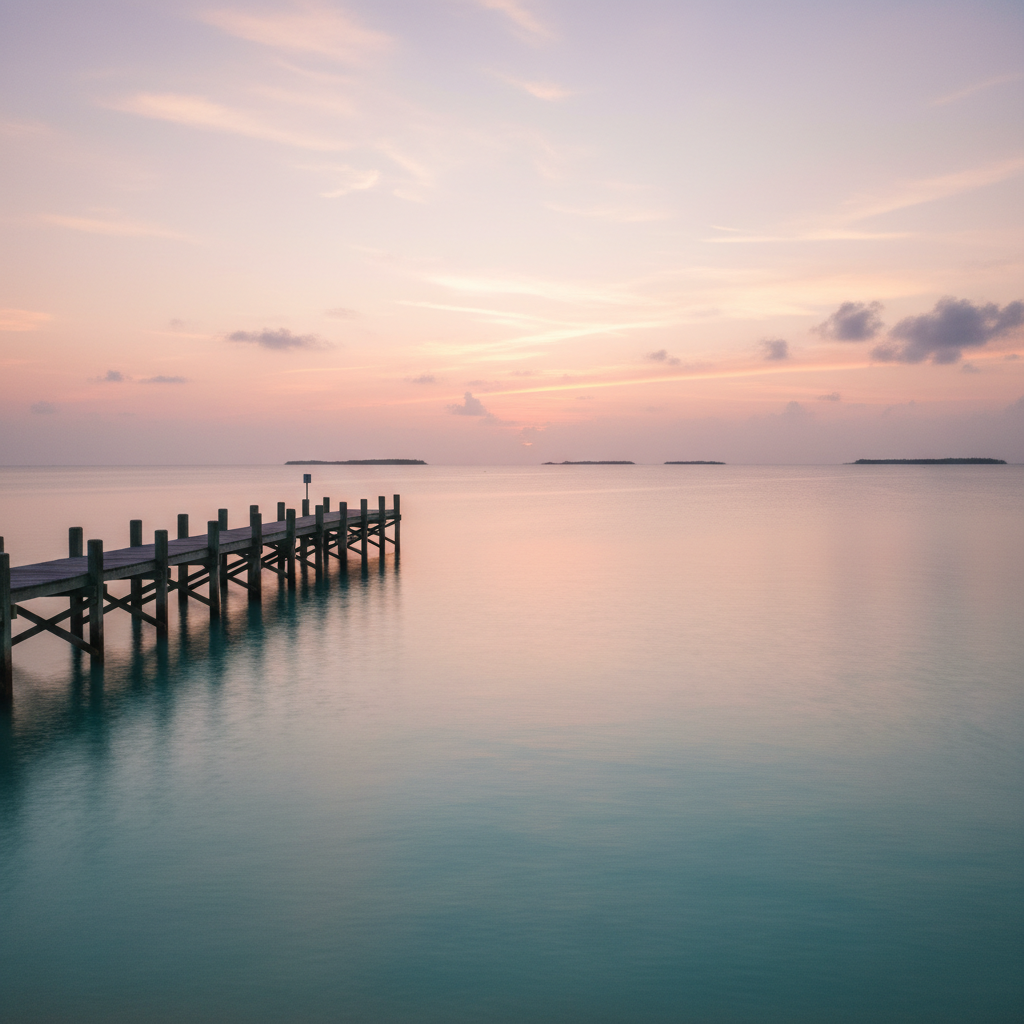
Tip: scout your spot the afternoon before, so you’re not searching for access points in the dark.
Self-check: which type of sunrise traveler are you?
Picking the right place matters, but matching it to your energy level matters more. Use this quick checklist.
- I want iconic and don’t mind crowds: Haleakalā, Grand Canyon, Acadia.
- I want quiet and simple logistics: Joshua Tree pullouts, Keys shoreline, many lakefront parks.
- I’m traveling with kids or a group: choose short walks, safe parking, bathrooms nearby.
- I care most about photos: prioritize horizon + foreground interest, and plan to stay through golden hour.
- I’m not a morning person: pick destinations with short drives and easy access, or schedule only one sunrise per trip.
Practical planning: how to reliably catch a good sunrise
This is the part most people skip, then blame the destination. A little structure makes sunrise trips feel easy.
Time it the right way (not just “at sunrise”)
- Arrive 30–60 minutes early: you want the pre-sun color and time to settle in.
- Stay 20–40 minutes after: light often improves after the sun appears.
- Check civil twilight: the sky starts brightening earlier than many people expect.
Scout the viewpoint the day before
- Confirm parking rules, gates, and any reservation requirements.
- Identify a backup spot within 5–10 minutes, in case the main area is crowded or closed.
Pack for comfort so you can actually enjoy it
- Warm layer + wind layer: even in warm climates, dawn can surprise you.
- Headlamp or flashlight: phone lights are not great on uneven ground.
- Water and a small snack: sunrise hunger is real, and it keeps decisions calmer.
According to NOAA, local forecasts and marine conditions can shift quickly, especially near coasts and mountains, so checking weather the evening before and again in the morning is a habit worth building.
Common mistakes that ruin sunrise (and what to do instead)
- Mistake: Only planning for clear skies. Do instead: learn what “good clouds” look like, thin mid-level clouds often produce better color than a perfectly clear sky.
- Mistake: Picking a viewpoint with no horizon. Do instead: choose elevation or open water/desert when your goal is dramatic sky color.
- Mistake: Showing up exactly at sunrise time. Do instead: arrive early enough to watch the build, that’s half the show.
- Mistake: Ignoring safety because it’s “just a lookout.” Do instead: keep distance from edges, use a light source, and avoid risky scrambling in low visibility.
Key takeaways (save this before your alarm goes off)
- Pick sunrise travel destinations with reliable access, not just pretty photos online.
- Arrive early for twilight, then stay after the sun breaks for the best light.
- Scout the day before and keep one backup viewpoint, it reduces stress fast.
- Comfort matters: layers and a headlamp often decide whether the morning feels fun or miserable.
Conclusion: make sunrise the easiest “big moment” on your trip
The best sunrise isn’t always the most famous location, it’s the one you can reach safely, comfortably, and on time. If you pick one or two mornings per trip, plan the access details, and treat weather as part of the game, sunrise becomes a highlight instead of a gamble.
If you want a simple next step, choose one destination from the table, check access rules tonight, and set your arrival time for at least 45 minutes before sunrise. That one change fixes most disappointments.
FAQ
What are the best sunrise travel destinations in the U.S. for beginners?
Places with easy parking and short walks tend to work best, like certain Grand Canyon rim viewpoints, Joshua Tree roadside pullouts, and many Florida Keys beaches. You’ll get a strong experience without complicated logistics.
How early should I arrive for sunrise photos?
A common sweet spot is 30–60 minutes before sunrise so you catch twilight color and can set up without rushing. If you’re shooting with a phone, arriving early still helps because composition matters more than gear.
Is it better to go when the forecast is perfectly clear?
Not always. Totally clear skies can look flat, while some mid- or high-level clouds often create richer color. Heavy low clouds usually block the show, but conditions vary by location.
What should I wear for sunrise at high elevation spots like Haleakalā?
Bring layers you can remove, plus a wind-resistant outer layer. Temperatures at altitude can feel surprisingly cold, and wind changes comfort fast.
Are national park sunrise viewpoints safe?
Many are, but risk increases in low light near cliffs, uneven paths, or wildlife activity. Use a headlamp, keep distance from edges, and if you have health concerns or mobility limits, consider asking a ranger station for safer viewing suggestions.
How do I avoid crowds at famous sunrise locations?
Pick a less-promoted viewpoint nearby, arrive earlier than you think you need, and travel in shoulder seasons when possible. Even at crowded parks, walking a short distance away from the main lookout often changes the experience.
What’s the easiest way to choose between beach, desert, and mountain sunrises?
Beach sunrises are straightforward when you have an east-facing shoreline, deserts give wide skies and strong silhouettes, mountains add layers and drama but can bring colder temps and more planning. Choose based on how much effort you want before dawn.
If you’re planning a trip and want sunrise moments without turning your vacation into a military operation, focus on one or two mornings, pick a spot with simple access, and build in a backup viewpoint, it’s the most “low effort, high reward” approach most travelers stick with.