
Southern lights travel destinations sound simple on paper, but in real life the biggest frustration is flying far, spending a lot, and still seeing nothing but clouds or a faint glow that never really “pops.”
If you plan around the right season, latitude, and on-the-ground logistics, your odds usually improve a lot, and the trip stays enjoyable even on nights when the sky doesn’t cooperate.
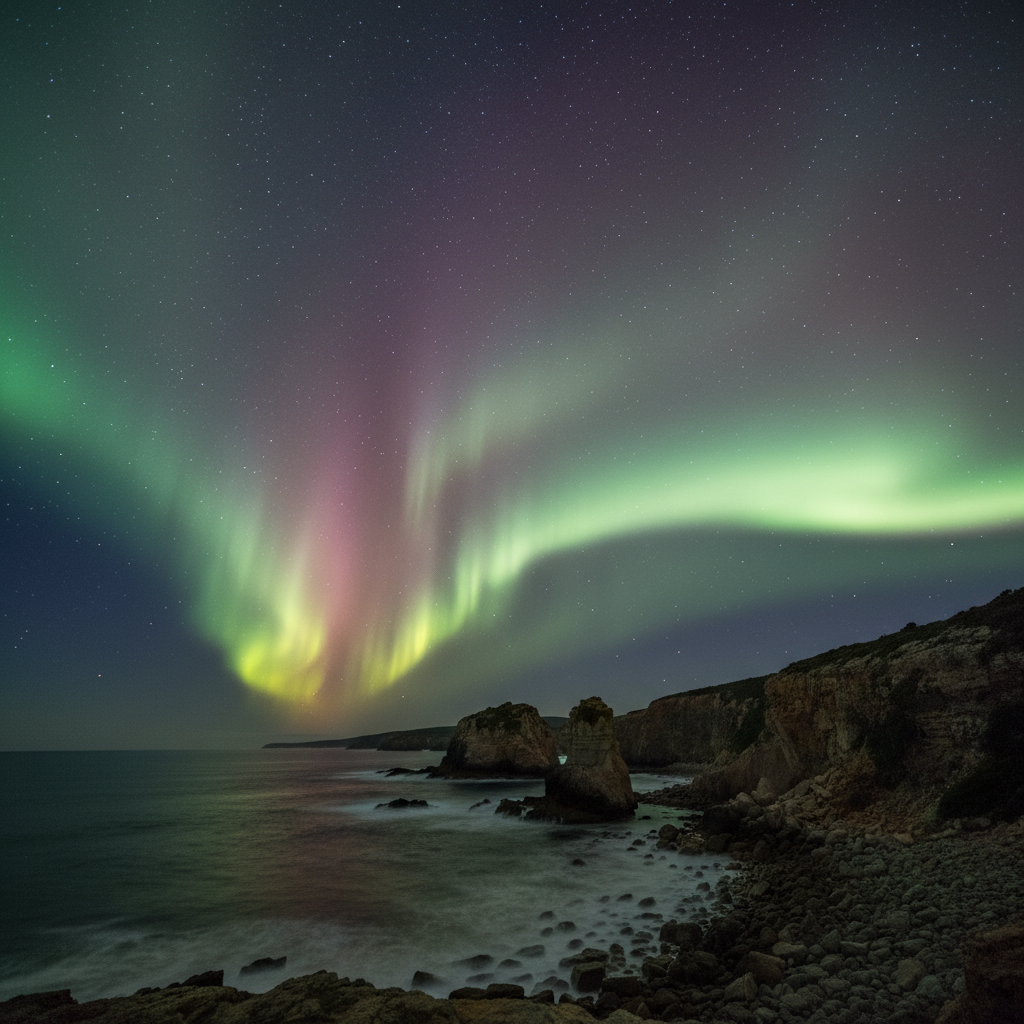
One common misconception is that you can treat it like the Northern Lights and just “show up anywhere down south.” The aurora australis is often trickier: fewer viewing hubs, longer distances, and weather windows that can feel smaller. This guide breaks down where to go, how to time it, and what to do on the ground so your trip has a clear plan instead of pure hope.
How the Southern Lights actually work (and why trips fail)
Southern Lights viewing is a mix of solar activity and local conditions, and many failed trips come down to ignoring the second part. You can’t control the Sun, but you can control where you stand and how you build flexibility into the schedule.
- Geomagnetic activity: Stronger solar storms can push auroral visibility farther north, but it’s unpredictable day to day.
- Dark sky and a clear southern horizon: Light pollution and obstructions (hills, buildings, trees) cut contrast fast.
- Cloud cover: This is the number-one deal breaker in many locations, even in “peak” season.
- Timing: Long nights help, but the best displays can still happen in short bursts, sometimes late.
According to NOAA Space Weather Prediction Center, auroras are driven by space weather conditions tied to solar activity, and forecasts are best treated as probabilities rather than guarantees. That’s why planning for multiple nights usually beats a single “perfect” night strategy.
Top southern lights travel destinations (what each one is best for)
Below are the places most travelers consider when searching for southern lights travel destinations, with practical context on what tends to make each one easier or harder.
Tasmania, Australia (Hobart base, drive to dark skies)
Tasmania is popular because you can base in Hobart, then drive to coastal or elevated dark-sky areas when conditions look promising. The tradeoff is fast-changing weather, so flexible nights matter.
South Island, New Zealand (Otago, Southland)
New Zealand can deliver beautiful viewing, especially with a clear southern horizon. It often suits travelers who want a full itinerary of landscapes and still have aurora chances, rather than a single-purpose chase.
Patagonia (southern Chile/Argentina)
Patagonia feels like the “bucket list” option, and it can be incredible, but distances are big and weather can be blunt. It fits travelers who are already going for trekking or scenery and want aurora as a bonus win.
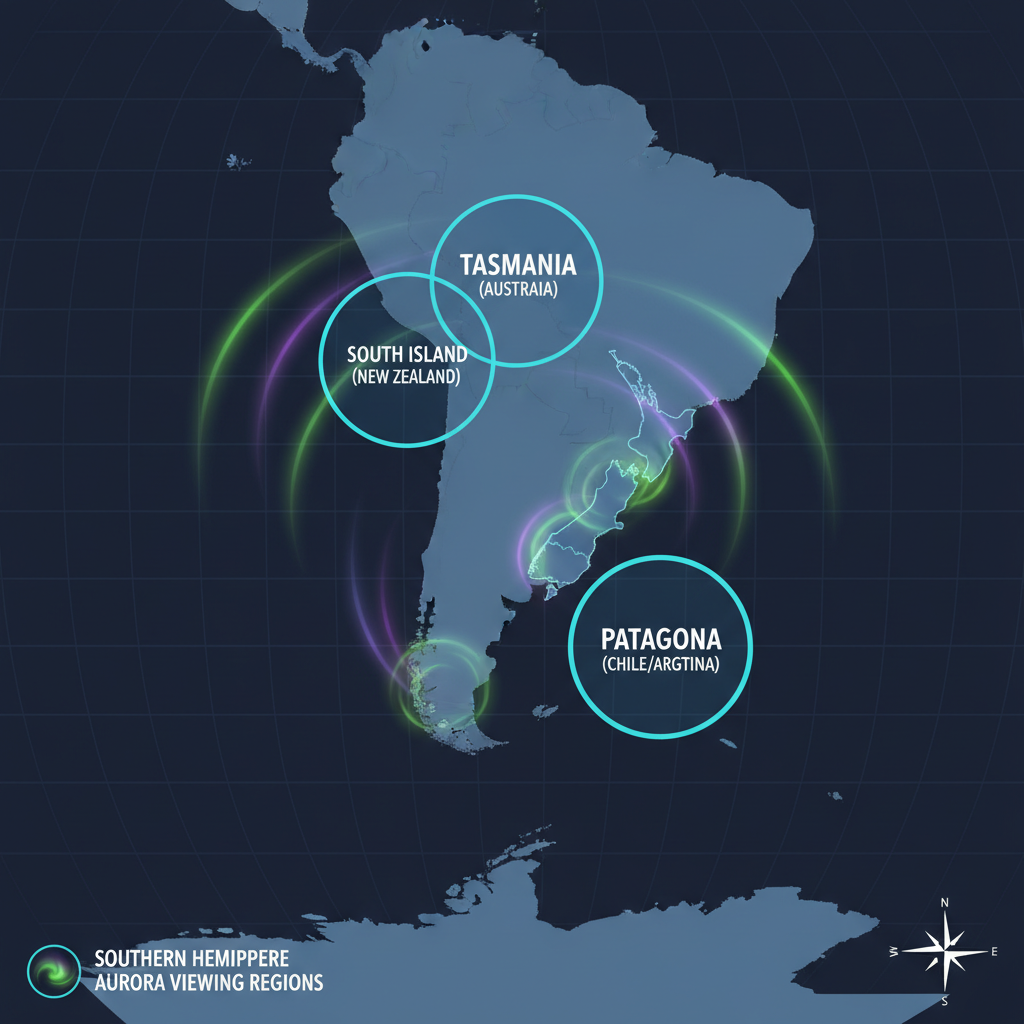
Antarctica and subantarctic islands (expedition-level)
If you can access Antarctica via an expedition cruise, you may get extraordinarily dark skies. Still, seas, schedules, and weather are outside your control, and it’s not the place to go “only” for aurora.
Southern Argentina (Tierra del Fuego)
Far-southern Argentina can offer opportunities with relatively established travel infrastructure compared with more remote options. Expect wind, cold, and the need to get away from city lights.
Quick comparison table: choose the destination that matches your trip style
This isn’t about naming a single “best” spot, it’s about matching expectations to reality. Use this as a shortcut when you’re deciding.
| Destination | Best for | Main challenge | Planning tip |
|---|---|---|---|
| Tasmania | Shorter flights (from US still long), easy base + drives | Cloudy stretches | Book 3–5 flexible nights and plan multiple viewing points |
| South Island NZ | Scenery-first trip with aurora potential | Weather + long drives at night | Pick lodging with quick access to a dark southern horizon |
| Patagonia | Adventure travelers already headed south | Wind, storms, big distances | Build buffer days and avoid one-night-only itineraries |
| Antarctica | Expedition experience, ultra-dark skies | Cost, schedule control, sea conditions | Treat aurora as a possible highlight, not the sole purpose |
A practical self-check: are you set up for a realistic Southern Lights trip?
Before you book, a quick reality check saves money and disappointment. If you answer “no” to several items, adjust the plan rather than hoping it works out.
- Can you stay at least 3 nights in a good viewing region?
- Are you comfortable with late nights and short-notice drives?
- Do you have a dark-sky option within 60–120 minutes of where you sleep?
- Can you handle cold, wind, and uneven terrain safely?
- Is your trip still worth it if the aurora is faint or doesn’t appear?
How to plan: timing, forecasts, and where to stand
Planning southern lights travel destinations is less about chasing a single forecast screenshot and more about stacking small advantages.
When to go
Many travelers aim for local winter months because nights run longer, giving more usable darkness. Exact “best months” vary by region, and shoulder seasons can still work if you get a strong geomagnetic event and clear skies.
How to use forecasts without overtrusting them
Use aurora forecasts as a “go/no-go” nudge, not a promise. According to NASA, auroras are linked to solar wind interactions with Earth’s magnetic field, and space weather can change quickly. In practice, you watch for a higher-activity window, then prioritize cloud-free zones and a dark southern view.
Where to stand (the overlooked part)
- Get away from town lights: even small coastal towns can wash out faint aurora.
- Look for a clear southern horizon: beaches, open plains, or elevated lookouts often help.
- Plan safe access: avoid cliffs, unlit roads you’re not confident driving, and private property.
On-the-ground steps: a simple “aurora night” routine
If you want a repeatable approach, keep it boring and consistent. The goal is to be in the right place, at the right time, without turning the night into chaos.
- Late afternoon: check cloud cover, wind, and road conditions, then pick one primary spot and one backup.
- After sunset: arrive early, let eyes adapt, and scan low on the southern horizon.
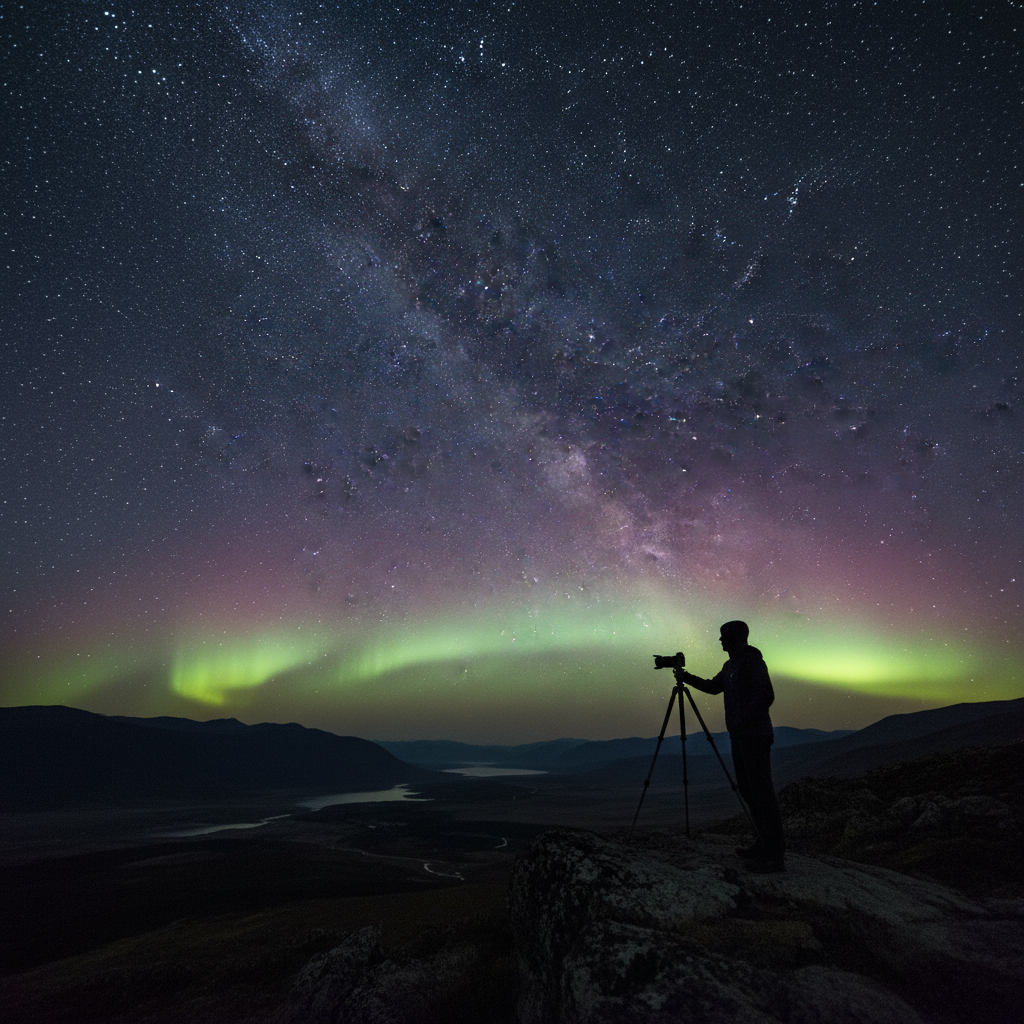
- Photography basics: use a tripod, wide lens if available, and avoid blasting your phone screen at full brightness.
- Give it time: stay at least 60–90 minutes if skies are clear, aurora can pulse in and out.
Safety matters more than a shot. If conditions feel risky, especially with wind, ice, or unfamiliar roads, it’s usually smarter to back off and try again another night.
Common mistakes that quietly ruin Southern Lights trips
- Booking one night only: even a great forecast can lose to clouds.
- Staying too far from dark skies: a “nice hotel view” often equals light pollution.
- Expecting neon colors: many displays look subtle to the naked eye and show stronger color on camera.
- Forgetting moonlight: a bright moon can reduce contrast, which matters for weaker aurora.
- No backup plan: if the aurora doesn’t show, you still want a trip that feels worth it.
When to consider a guide, tour, or expert help
You don’t always need a tour, but there are situations where it can make the experience smoother. If you’re nervous about night driving, you’re traveling solo, or you’re short on time, a reputable local guide may help with real-time location choices and safer access.
If you have health concerns around cold exposure, mobility, or nighttime conditions, it’s sensible to plan conservatively and, when relevant, consult a medical professional for personal advice.
Conclusion: make the trip worth it, even if the sky is moody
Southern lights travel destinations reward patience more than perfect planning, so the best strategy is usually a flexible multi-night stay, a dark-sky base, and a short list of safe viewing spots you can reach quickly. If you do that, you’re not just “chasing lights,” you’re building a trip that still feels like a win even when nature says no.
Action steps: pick one region, hold 3–5 nights, and pre-save two viewing locations with clear southern horizons so you can move fast when skies clear.
FAQ
What are the best months for southern lights travel destinations?
Many people target local winter for longer darkness, but “best” varies by destination and weather patterns. If you can’t travel in winter, shoulder-season trips can still work if you build extra nights.
Can you see the Southern Lights from Australia?
Yes, Tasmania is one of the more realistic options for travelers, especially when you can reach dark coastal viewpoints. Mainland Australia is typically less reliable, though strong events may still be visible far south in rare cases.
Is New Zealand good for the aurora australis?
It can be, particularly in southern regions with a clean view toward the south and low light pollution. The bigger constraint is often cloud cover, not lack of geomagnetic activity.
Do I need special camera gear to capture the Southern Lights?
You can sometimes capture faint aurora with newer smartphones using night modes, but a tripod helps a lot. A dedicated camera with manual control usually makes it easier to get consistent results without frustration.
How many nights should I plan for a realistic chance?
Three nights is a common minimum for flexibility, and more is better if weather is unstable. One-night “hit and run” itineraries are where disappointment shows up most often.
Are Southern Lights tours worth it?
They can be, especially if the guide has strong local knowledge about safe access and dark-sky locations. It’s worth checking what’s included, cancellation policies, and whether the tour can adjust locations based on cloud forecasts.
Is it safe to aurora-watch in remote areas?
It can be safe with planning, but risks depend on terrain, weather, and night driving. Tell someone your plan, dress for wind and cold, and avoid isolated roads you’re not comfortable navigating in the dark.
If you’re planning a once-a-year trip and want fewer moving parts, consider building your itinerary around one solid base near dark skies, then leaving your evenings flexible for last-minute drives when conditions look promising.