
how to avoid tourist scams in thailand mostly comes down to spotting patterns early, slowing the moment down, and knowing what a fair, normal interaction looks like before you land.
If you have ever felt rushed into a “special deal,” handed a menu with no prices, or heard “closed today” from a stranger outside a famous site, you already know why this matters. Thailand is generally welcoming and easy to travel, but high-traffic tourist areas create chances for a few people to push their luck.
This guide stays practical: what scams look like in real life, a quick self-check, and what to do on the street without escalating the situation. I will also point you to official resources where that makes sense, because when something feels off, having one or two trusted references helps.
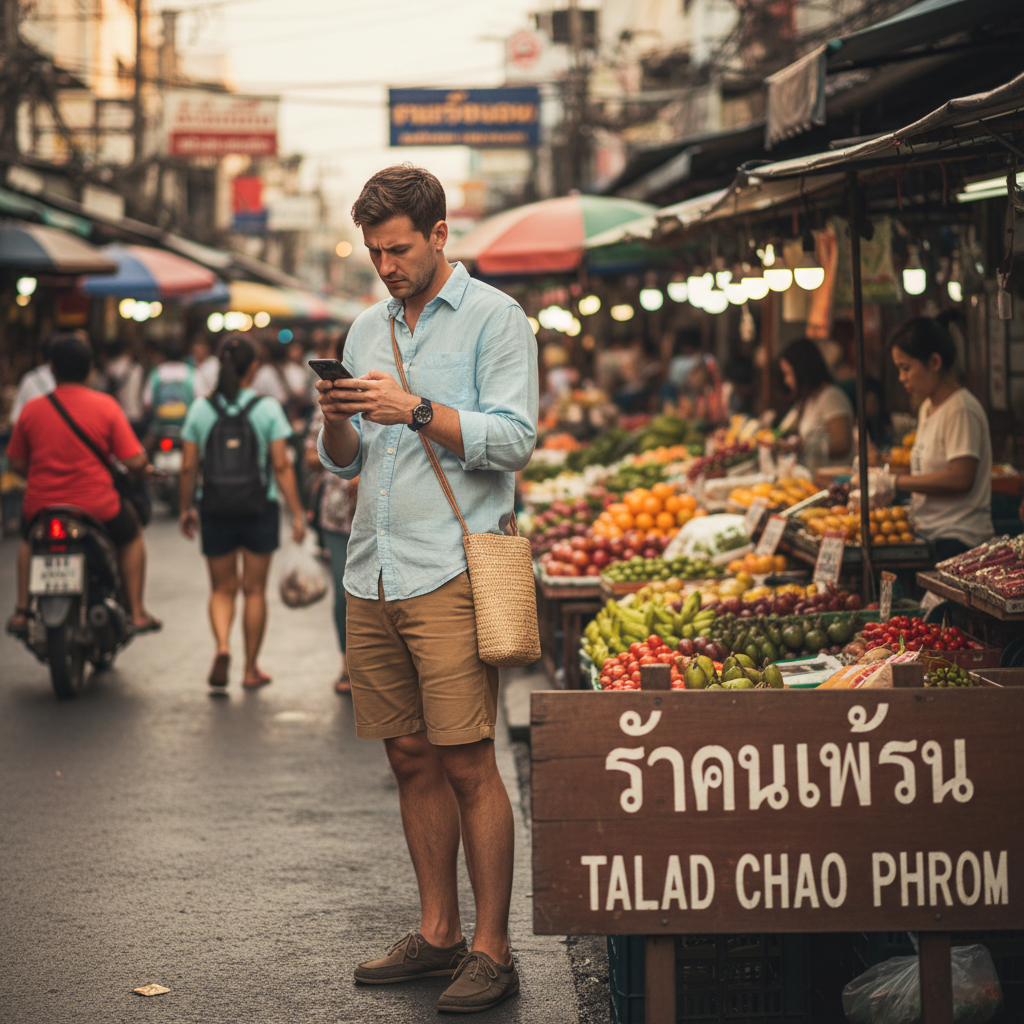
Why tourist scams happen (and where they cluster)
Most scam attempts are less about “danger” and more about small, repeated profit, so they cluster where visitors feel unsure: transport hubs, nightlife strips, and the sidewalks outside major attractions. If you look lost, tired, or in a hurry, you become an easier target.
- High-friction moments: arriving at airports, ferry piers, train stations, late-night taxi searches.
- Information gaps: you do not know local prices, routes, or what “closed” truly means.
- Social pressure: crowds, friendly chatter, or a small “mistake” that you feel awkward challenging.
In many cases, the first “hook” is someone offering help you did not ask for. Helpful locals exist, of course, but unsolicited guidance right at a tourist choke point deserves a second look.
Common Thailand tourist scams you should recognize
You do not need a paranoid mindset to practice how to avoid tourist scams in thailand. You just need a mental catalog of the classics, so your brain flags them fast.
“Closed today” temple or attraction redirect
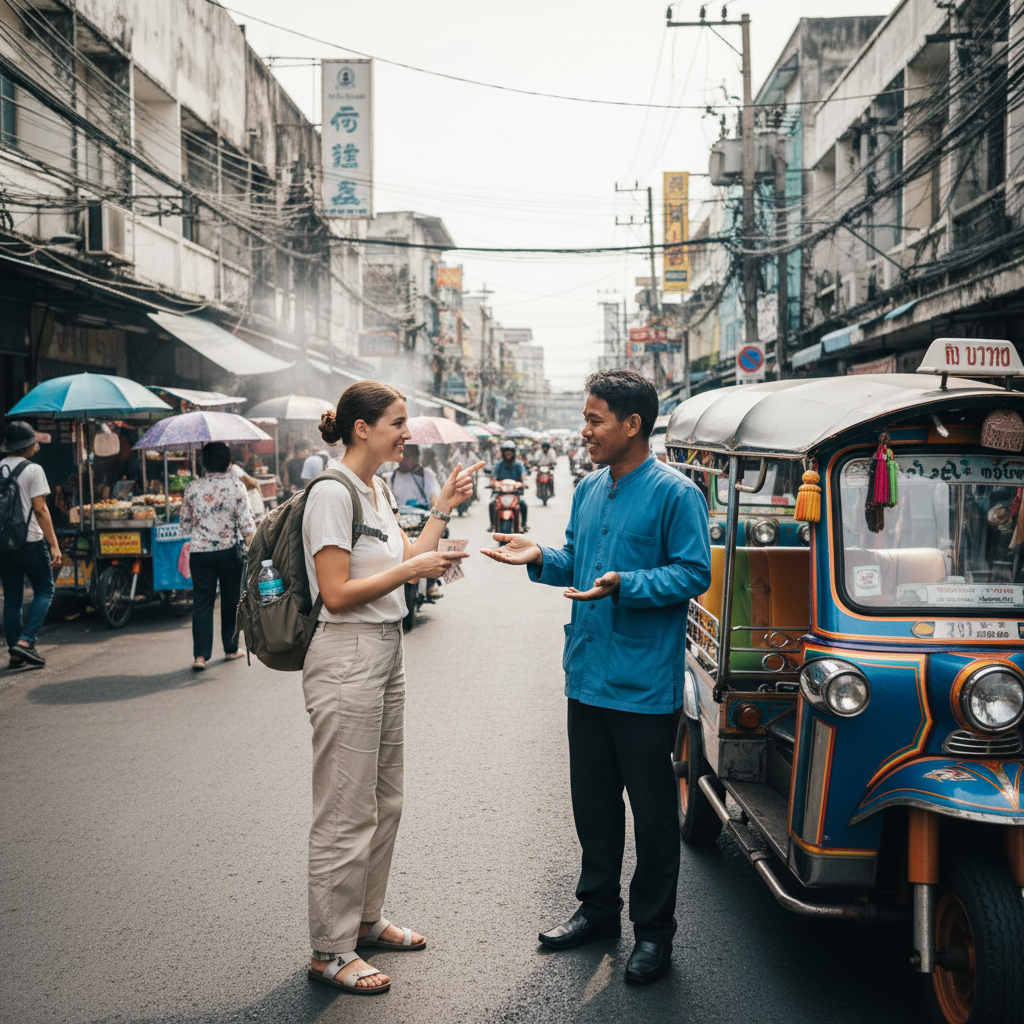
A stranger near an attraction tells you it is closed for a holiday or ceremony, then offers an alternative itinerary, often involving a tuk-tuk ride with stops at gem shops, tailors, or commission-based stores. The attraction is often open, or only partially restricted.
Tuk-tuk or taxi “tour” pricing games
You agree on a low fare, then the driver adds mandatory stops, “fees,” or refuses to end the ride until you buy something. Another version is a taxi that declines the meter in tourist zones and quotes a high flat price.
Jet ski or motorbike rental damage claims
You rent a vehicle, return it, and the owner points to scratches you allegedly caused, asking for an inflated repair payment and holding your passport or deposit as leverage. Not every rental shop does this, but it is common enough to plan for it.
Bar, club, and “friendly invite” overcharging
A friendly person invites you to a venue, then the bill arrives with unexpected charges, or you are asked to pay for staff drinks at premium prices. Sometimes menus lack clear pricing.
ATM card swap and distraction pickpocketing
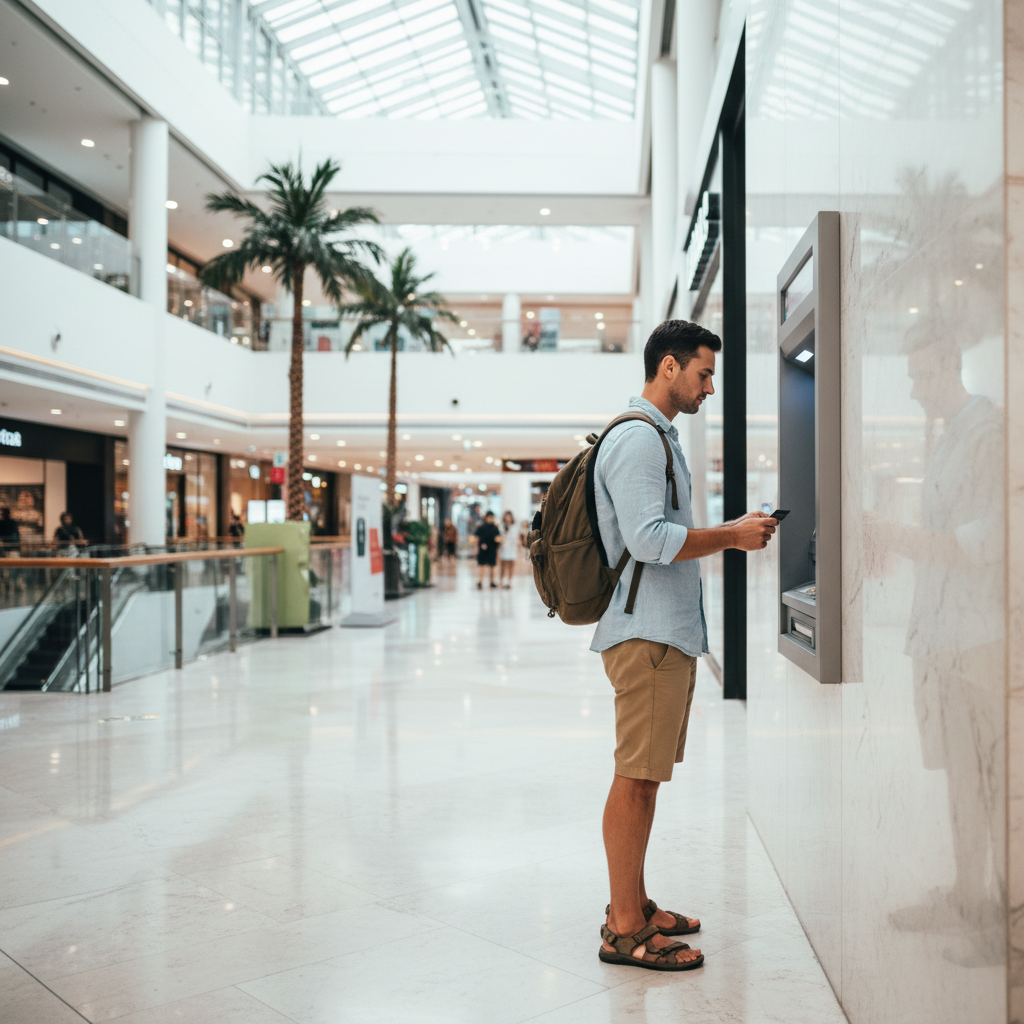
In crowded areas, someone distracts you while another person grabs a phone or wallet. Around ATMs, the risk can be card skimming, shoulder-surfing your PIN, or a “helpful” stranger trying to touch your card.
“Too good to be true” tours and tickets
Deep discounts for island tours, shows, or transport can mean hidden add-ons, low-quality operators, or last-minute cancellations with messy refunds. You may still get a trip, just not what you thought you bought.
A quick self-check: are you in a scam setup?
Use this as a fast “pattern match” when something feels slightly off. One item alone does not prove a scam, but two or three together is usually enough to pause and reset.
- You are being rushed: “Right now,” “last chance,” “police coming,” “closed, hurry.”
- Prices stay vague: no menu prices, no written fare, no clear total.
- You are moved to a second location: “Just around the corner,” “my office,” “my friend’s shop.”
- They discourage verification: “No need to check,” “internet wrong,” “trust me.”
- They hold something: passport, driver’s license, phone, bag, or even your credit card.
- Payment pressure: cash only, huge deposit, or refusal to give a receipt.
If you check multiple boxes, your safest move is usually boring: step aside, open your maps app, and verify with an official source or a business you chose yourself.
Practical steps that prevent most scams
People ask for “one trick,” but how to avoid tourist scams in thailand is really a bundle of small habits. Here are the ones that reduce risk without ruining your trip.
Transport: meters, apps, and confirmation
- In taxis, ask for the meter before you get in. If they refuse, move on. In busy areas, the next one often says yes.
- Use ride-hailing when it makes sense for price transparency, driver identity, and an in-app record. Coverage varies by city and time.
- For tuk-tuks, agree on the total price and the destination, then repeat it back. If they add stops you did not request, stay firm.
- Take a screenshot of your destination in Thai on your phone. It cuts down “misunderstanding” arguments.
Money: minimize exposure, keep proof
- Separate cash: one small amount in an easy pocket, the rest deeper in your bag or hotel safe.
- Use ATMs in well-lit, staffed areas like bank branches or malls, and cover the keypad.
- Prefer tap-to-pay when available, and keep card alerts on. If you need to dispute a charge later, alerts matter.
- Get receipts for rentals, tours, and any deposit, even if it is just a simple written note.
Rentals: photos, deposits, and what to leave behind
- Photograph the vehicle from all sides before you leave, plus close-ups of existing scuffs. Do the same when you return.
- Ask about insurance in plain terms: what is covered, what is not, and what the deductible looks like.
- Avoid leaving your passport as collateral when possible. Many travelers use a photocopy and a cash deposit instead, but requirements vary, so confirm upfront.
- Walk away from weird vibes: if the shop feels pushy or avoids paperwork, that is your cue.
Shopping and services: prices first, not later
- Ask the price before you sit for massages, nail services, bar drinks, or “special menus.”
- Use menus with printed prices. If prices are missing, assume you are paying a tourist premium.
- Do not follow strangers to “my cousin’s place.” If you want a bar, pick it yourself.
What to do in the moment (without making it worse)
When a situation turns uncomfortable, the goal is to exit cleanly, not to win an argument. Keeping your tone calm helps, even if you feel irritated.
- Pause and create space: step to the side, stop walking, look at your phone as if you are checking something.
- Use short phrases: “No thanks,” “I’m meeting someone,” “I already have a booking.” Repeating a simple line works better than debating.
- Do not hand over your phone for “directions” or “help,” and do not let someone take your card out of sight.
- Leave if prices change: if a vendor adds fees after you agreed, pay for what you consumed if reasonable, then go. If it feels extortionate, you may need staff, security, or tourist police support.
According to U.S. Department of State, travelers should keep valuables secure, stay aware in crowded areas, and have a plan for contacting assistance while abroad.
A simple prevention table you can screenshot
If you like having a quick reference, this table covers the most common situations and the one action that usually changes the outcome.
| Situation | What scammers rely on | What to do instead |
|---|---|---|
| Taxi refuses meter | You are tired and want to move | Politely decline, find another taxi or use an app |
| “Closed today” outside a temple | You assume locals know better | Check official hours online or walk to the entrance yourself |
| Motorbike rental deposit/paperwork feels vague | You want the bike fast | Ask for written terms, take photos, avoid leaving passport |
| Bar with no prices | Social pressure once you sit | Ask for a priced menu, leave if they won’t provide it |
| Stranger offers help at ATM | You feel awkward refusing | Say no, finish quickly, use another ATM if needed |
Common misconceptions that make travelers easier targets
“Scams only happen in Bangkok.” Tourist-heavy areas exist everywhere, including islands and border towns, it is the foot traffic that matters more than the city name.
“If I’m polite, I’ll be safe.” Politeness is great, but clarity matters more. A calm “no” protects you better than a long explanation.
“Only clueless tourists get scammed.” Plenty of smart travelers get caught when they are jet-lagged, distracted, or dealing with a sudden problem like a missed ferry.
When to seek official help (and who to contact)
If you feel threatened, if someone tries to physically block you, or if you are being pressured to pay an extreme amount, look for formal help. Many problems are small, but it is worth knowing your options.
- Immediate danger: Thailand’s emergency number is 191 in many areas, but availability and language support can vary.
- Tourist-focused assistance: Thailand has Tourist Police services in many destinations, often with an English hotline posted in tourist areas.
- If you are a U.S. citizen: According to U.S. Department of State, you can contact the nearest U.S. Embassy or Consulate for guidance in emergencies, especially if your passport is lost or stolen.
- Financial issues: contact your bank/card issuer quickly for suspicious charges, and ask your hotel for help locating a police station if a report is needed.
For medical concerns after an incident, such as being drugged or injured, it is safer to seek care at a reputable clinic or hospital and follow local professional advice.
Key takeaways before you go
- Verify before you commit: prices, destinations, and “closures” should survive a quick check.
- Do not hand over control: your phone, your card, your passport, or your route.
- Most fixes are simple: walk away, choose another vendor, use an app, ask for a receipt.
- Trust the small alarm bell: discomfort is often your best early-warning system.
You do not need to turn your Thailand trip into a defensive mission. Practice a few habits, keep your decisions slow when others push you fast, and you will avoid the majority of tourist traps while still enjoying the spontaneous parts of travel.
If you want one action today: save the prevention table, then set up bank alerts and a ride-hailing app before you fly, it removes a lot of stress in the first 24 hours.