
Summer travel destinations can feel overwhelming in 2026, not because there aren’t enough great places, but because prices, heat, and crowd patterns keep shifting, sometimes week to week.
If you want a trip that feels like a break instead of a logistics project, it helps to start with a short list built around reality: shoulder-season timing, local transportation, and where your money actually goes once you arrive.
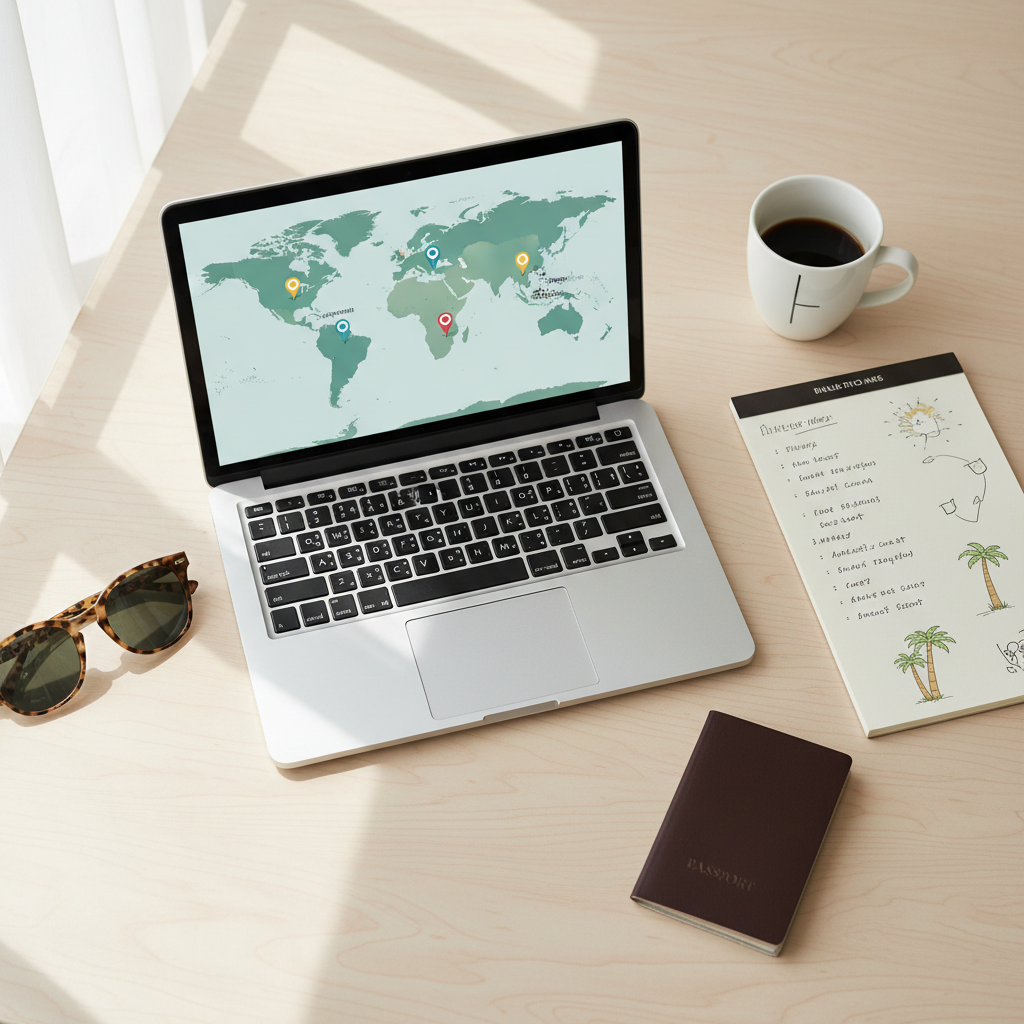
This guide narrows down standout picks across the U.S. and abroad, then turns that list into practical choices based on weather comfort, crowd tolerance, and your planning runway. You’ll also get a quick decision table, a packing reality check, and a few common mistakes people keep repeating.
How to pick a destination for summer 2026 (without overthinking it)
A lot of “top lists” assume you can handle any temperature, any crowd, any price. Most travelers can’t, and that’s fine. Pick your trip based on constraints first, then let the fun details fill in.
- Heat tolerance: If high humidity drains you fast, lean coastal, mountains, or higher latitude cities.
- Crowd tolerance: Big-name icons are doable, but the timing matters more than the place.
- Budget reality: Airfare is only the entry fee, lodging + local transport decide the real total.
- Trip style: Beach reset, food city, national park loop, or “one great neighborhood” slow travel.
According to the U.S. Department of State, travelers should review destination-specific advisories and plan ahead for documentation and local conditions. It’s not glamorous advice, but it prevents avoidable problems.
At-a-glance comparison table (use this to shortlist fast)
If you’re scanning, start here. Think of these as “strong candidates” rather than guaranteed perfect fits.
| Destination | Best for | Summer feel | Cost level (typical) | Planning difficulty |
|---|---|---|---|---|
| San Diego, CA | Beach + city balance | Mild, breezy | Medium-High | Easy |
| Maine Coast (Portland/Bar Harbor) | Seafood, hikes, cooler nights | Crisp to warm | Medium-High | Medium |
| Montreal + Quebec City | Europe vibe, short flight | Warm, festival season | Medium | Easy-Medium |
| Lisbon + nearby coast, Portugal | Food, beaches, day trips | Sunny, dry heat | Medium | Medium |
| Reykjavik + South Coast, Iceland | Road trip nature, long daylight | Cool, windy | High | Medium-High |
| Tokyo + Hakone, Japan | Food + culture + day escapes | Hot, humid | Medium-High | Medium |
Top summer travel destinations in the U.S. (strong weather + easy logistics)
For many Americans, the smartest 2026 move is a domestic trip that still feels like a “real” getaway, shorter flights, fewer rules, and more flexibility if plans change.
San Diego, California
San Diego stays on lists because it solves a common summer problem: you want beach time without punishing heat. Neighborhood hopping is part of the fun, and you can do a lot without a packed itinerary.
- Don’t miss: La Jolla coastline walks, Balboa Park, a sunset beach night.
- Plan it better: If you’re renting a car, book early; if not, choose a walkable area and commit.
Maine Coast (Portland + Midcoast + Bar Harbor)
If you want cool air and coastal views, Maine is a classic. The tradeoff is that lodging can jump in peak weeks, and small towns fill up fast.
- Don’t miss: Acadia National Park early mornings, ferry day trips, seafood shacks that keep it simple.
- Plan it better: Consider a two-base trip instead of switching hotels every night.
Denver + Rocky Mountain day trips
Not everyone wants a full wilderness expedition. Denver works when you want a city base, great food, and mountain air within reach.
- Don’t miss: A scenic drive, a short hike, and one slow afternoon in a neighborhood you actually like.
- Plan it better: Altitude affects people differently; pace the first 24 hours and hydrate.
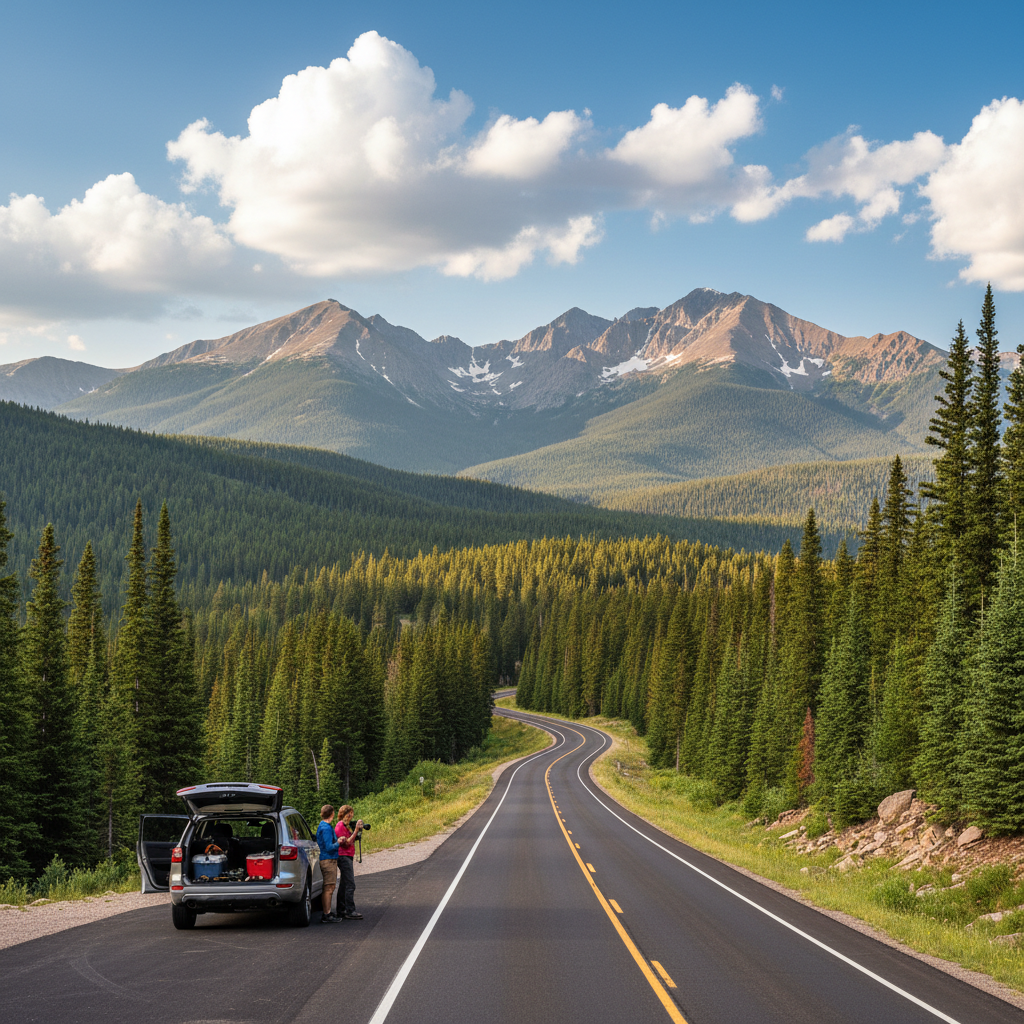
Key point: In the U.S., many “best summer” picks are really “best temperature” picks. If you’re heat-sensitive, coastal California, New England, and mountain cities often feel easier than the deep South in mid-summer.
Best international picks for Americans in 2026 (culture, food, and easy routing)
International summer travel destinations can be amazing, but they punish last-minute planning more than domestic trips. Flights, rail passes, and popular hotels create the real bottlenecks.
Montreal + Quebec City (Canada)
For a lot of U.S. travelers, this is the “I want Europe but I have five days” solution. Summer brings festivals and patio culture, and you can mix modern city energy with historic streets.
- Good for: Couples, friends trips, food-first itineraries.
- Planning note: Book weekends early if you’re targeting big event dates.
Lisbon + Cascais/Sintra (Portugal)
Lisbon gives you city texture, viewpoints, and easy day trips. Summer is popular, but the coast helps when the sun feels intense.
- Good for: First-time Europe travelers who want a flexible pace.
- Planning note: Stay near transit, and don’t stack too many hill-heavy days back-to-back.
Reykjavik + Iceland South Coast
Iceland earns its spot because summer daylight makes road tripping feel relaxed, even when you’re covering distance. Costs run high, though, so it’s a “fewer things, done well” destination.
- Good for: Nature lovers who dislike heat.
- Planning note: Build buffer time for weather shifts; wind can change driving comfort quickly.
Tokyo + a cooler escape (Hakone, Nikko, or the coast)
Tokyo in summer can be hot and humid, but many travelers still love it because food, transit, and day trips are so rewarding. The move is to pair the city with a short escape for a different pace.
- Good for: Food and culture travelers who can handle warmer days.
- Planning note: Take midday breaks, and keep your itinerary lighter than you think you need.
What actually makes summer travel expensive (and how to push back)
People blame “summer pricing,” but the pattern is usually more specific: you’re paying for convenience, fixed dates, and limited inventory.
- Weekend-heavy itineraries: Shifting even two nights to midweek can change hotel options.
- Only one neighborhood considered: A 15-minute transit ride can cut nightly rates in many cities.
- Over-correcting with rentals: Cars add parking, fuel, tolls, and mental load, sometimes not worth it.
- Late booking for peak areas: National parks and small coastal towns often run out of the “good middle” lodging first.
According to the U.S. Transportation Security Administration (TSA), travelers should plan extra time at airports during peak periods and follow current screening guidance, which is a simple way to avoid stressful departures.
A quick self-check: which type of summer traveler are you?
This is the part most people skip. Then they book a “dream place” that fits someone else’s stamina.
- You want zero-friction: Choose one-city trips with strong public transit and short transfer times.
- You want nature, but not roughing it: Stay in a gateway town, do day hikes, keep nights comfortable.
- You want maximum novelty: Pick one major city plus one nearby smaller town, not three major cities.
- You want beach recovery: Prioritize walkability and shade access over “most famous” beaches.
- You’re traveling with kids: Build in daily downtime, and pick lodging with laundry access if possible.

Key point: The “best” place is usually the place that matches your energy. When the match is wrong, even a famous destination feels like work.
Practical planning tips for summer 2026 (timing, bookings, packing)
Once you have 2–3 candidates, planning gets easier because your choices narrow. Focus on the few moves that have outsized impact.
Timing strategies that usually help
- Target shoulder weeks: Late June and late August can feel more breathable than mid-July in many places, though weather varies.
- Start your trip midweek: Flights and hotels can be less constrained outside Friday-Sunday blocks.
- Do early days outside, late days inside: Museums, long lunches, and afternoon breaks can reduce heat fatigue.
Booking moves that reduce regret
- Lock lodging before micro-optimizing flights: If hotel inventory is the bottleneck, protect it first.
- Choose change-friendly options when uncertain: Flexible cancellation can be worth a slightly higher rate.
- Don’t overbook “must-dos”: One anchor plan per day keeps the trip fun.
Health and safety notes (keep it realistic)
Heat, sun, and travel fatigue are the usual summer spoilers. According to the Centers for Disease Control and Prevention (CDC), travelers should follow destination-specific health guidance and take common-sense steps to prevent heat-related illness. If you have medical conditions or take certain medications, it’s smart to ask a clinician for advice before traveling in high heat.
- Heat plan: Water, shade, and a mid-day slowdown matter more than “toughing it out.”
- Sun plan: Reapply sunscreen, and treat sun exposure like a schedule item, not an afterthought.
- Transit plan: Keep essentials in a personal item in case bags get delayed.
Common mistakes people make with summer travel destinations
These are boring mistakes, which is why they keep happening. They also tend to cost real money.
- Trying to do too many places: Travel days eat more time than you expect, even with short flights.
- Ignoring microclimates: Coastal fog, mountain storms, and city heat islands can change comfort quickly.
- Booking “cheap” lodging far away: You save on the room, then spend the savings on rideshares and time.
- Underestimating summer lines: Early entry times and weekday visits often matter more than skip-the-line hype.
Conclusion: build your 2026 trip around comfort, not hype
The best summer travel destinations for 2026 are the ones that match your tolerance for heat, crowds, and planning effort, then reward you with a simple daily rhythm. Start with a shortlist, choose dates that reduce friction, and protect your lodging plan early.
If you want one clean next step, pick your top two destinations, then compare them on three things only: weather comfort, walkability, and total cost after lodging. That decision usually becomes obvious.
FAQ
What are the best summer travel destinations for Americans who hate extreme heat?
Coastal California, New England, higher-elevation mountain towns, and places like Iceland often feel more comfortable. Exact conditions vary by week, so check typical temperatures and humidity before locking dates.
How far in advance should I book a summer 2026 trip?
Many travelers start serious planning several months out, especially for small towns, national park gateways, and popular European cities. If you’re flexible on neighborhoods and dates, you can sometimes book later, but choices narrow fast.
Which destinations are good for a 4–6 day summer trip from the U.S.?
Montreal and Quebec City work well for shorter trips, and domestic picks like San Diego or Denver keep travel time manageable. The key is limiting transfers so you don’t spend half the trip in transit.
Are national parks a good idea in peak summer?
They can be, but you’ll want early starts, reservations where required, and realistic daily driving plans. If heat is a concern, higher-elevation parks and shoulder weeks can feel easier.
How do I choose between a beach trip and a city trip?
If you crave recovery, beach-first trips tend to be simpler, especially with walkable lodging. If you get bored easily, a city with a nearby coast or mountains gives you variety without constant packing.
What should I do if I’m worried about travel advisories or entry rules?
Check official sources close to booking and again before departure, because requirements can change. According to the U.S. Department of State, reviewing advisories and destination guidance is part of responsible trip planning.
How can I keep costs down without picking a “cheap” destination?
Shift to midweek travel, stay one transit stop outside the hottest neighborhood, and cut one flight segment if possible. In many cases, fewer moves beats hunting for a bargain.
If you’re deciding between a few summer travel destinations and want a more streamlined plan, a simple approach is to share your dates, budget range, and must-have vibe, then build a two-option itinerary you can actually picture yourself following.