
Scuba diving travel destinations can look identical on Instagram, but real-world visibility, currents, and crowd levels vary a lot, and those details decide whether your trip feels effortless or frustrating.
If clear water is your priority, you usually want more than “blue” photos, you want predictable visibility windows, protected sites, and operators who understand how to time dives for conditions. That’s the difference between seeing a reef from 20 feet away and floating over it like it’s a high-definition screen.
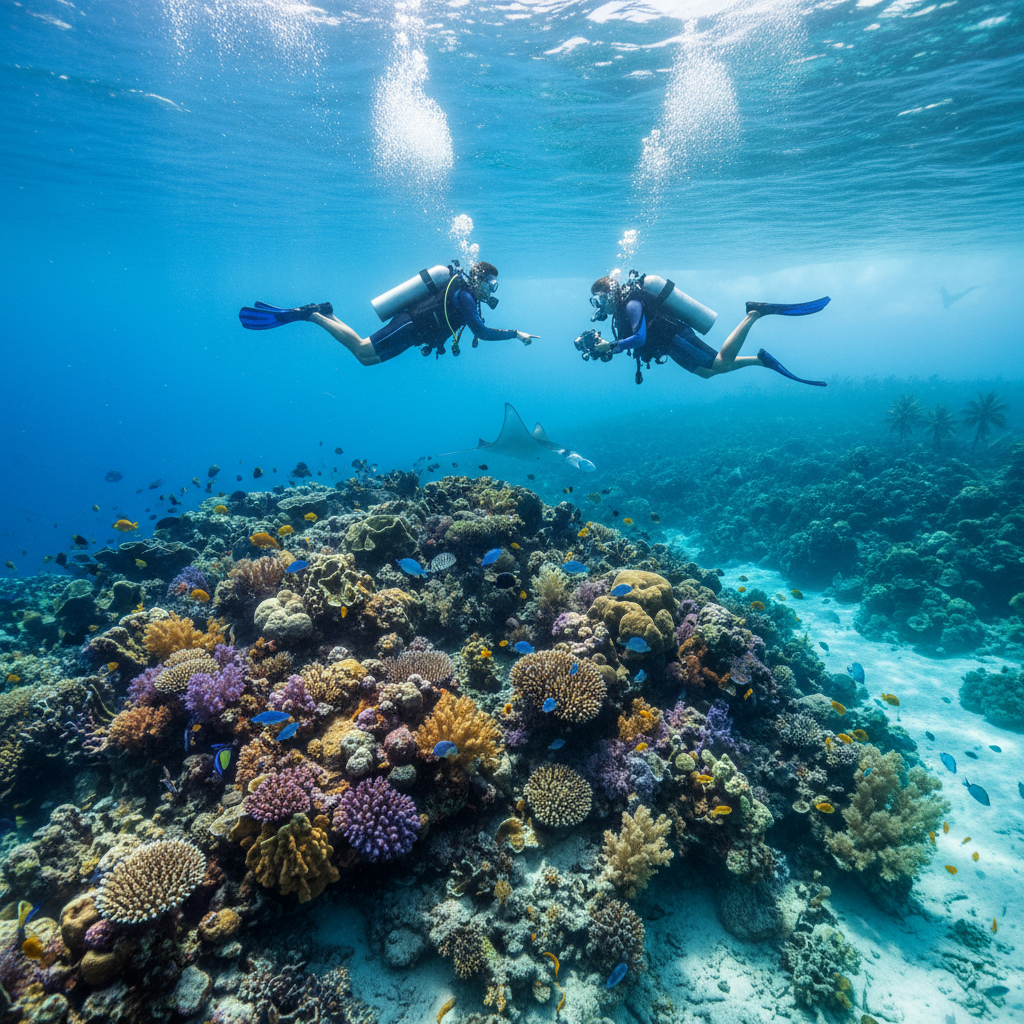
This guide narrows down clear-water picks, explains why visibility changes, and gives practical booking tips for U.S. travelers who want fewer surprises. I’ll also flag common “looks good on paper” traps, because some famous spots shine only in the right season or for the right experience level.
What “clear water” really depends on (and what it doesn’t)
Visibility is not just luck, it’s a mix of geography, weather patterns, and how exposed the dive sites are. Two islands can sit close together and still dive completely differently.
- Seasonality: wind and rain stir sediment, swell can churn shallow reefs, and plankton blooms can reduce visibility even in otherwise pristine areas.
- Site protection: leeward (sheltered) coasts and lagoons often stay clearer when open-ocean sites turn sporty.
- Currents: current can bring nutrient-rich water that fuels life, but it may also bring particulate that softens visibility, especially near channels.
- Human factors: heavy boat traffic and beginner-heavy shallow sites can mean more kicked-up sand and less “glass” water.
One misconception worth dropping: clear water does not always mean “best diving.” Some of the most animal-packed regions have average visibility, while ultra-clear sites can feel quiet. Decide what you’re optimizing for.
Quick self-check: which clear-water trip fits you?
Before you pick a pin on the map, be honest about your non-negotiables. A clear-water plan that ignores your comfort level can turn into a stressful week.
- Comfort in current: If you’re uneasy in drift conditions, prioritize protected reefs and lagoons over channel dives.
- Depth preference: Some “clearest” dives are deeper walls; if you prefer 30–50 ft reef cruising, aim for destinations known for bright shallows.
- Boat tolerance: Long rides can be worth it for clarity, but not if seasickness becomes the main event.
- Travel reality: If you have limited PTO, places with frequent direct flights and short transfers reduce risk.
- Certification and recency: If you haven’t dived in a year, a refresher may matter more than squeezing in advanced sites.
Key point: many scuba diving travel destinations market “year-round” diving, but your best visibility window often sits inside a smaller slice of the year.
Best clear-water scuba diving travel destinations (high-level picks)
These are widely recognized for consistently good visibility in the right season, with enough operator infrastructure that most U.S. travelers can plan without needing an expedition mindset.
Caribbean: easy logistics + clear shallows
- Bonaire (Dutch Caribbean): Shore diving culture, calm entries in many areas, and lots of repeatable reef dives that suit “do more, fuss less” travelers.
- Cayman Islands: Wall diving and generally good visibility, plus a solid range of sites from easy reefs to deeper profiles depending on your plan.
- Turks and Caicos: Often praised for blue water and dramatic walls, typically better if you’re happy with boat diving.
Pacific: iconic clarity, bigger travel commitment
- Palau: Known for clear water and strong marine life, but currents can be a real factor, choose operators that match sites to your experience.
- French Polynesia (e.g., Bora Bora, Rangiroa): Lagoon clarity can be stunning, while passes may involve current timing and advanced comfort.
Indian Ocean: the “blue water postcard” category
- Maldives: When conditions line up, visibility can be excellent, though currents and channel dives are common; pick an itinerary that matches your drift comfort.
Red Sea: clarity + reefs, often great value
- Egypt (Red Sea liveaboards and resort areas): Frequently associated with clear water and vibrant reefs, with options ranging from easy day boats to multi-day itineraries.
Comparison table: how to choose fast
If you’re deciding between a few short-list options, use this as a reality check. Exact conditions vary by season and specific site, so treat it as directional guidance.
| Destination | Why people go for clear water | Best for | Watch-outs |
|---|---|---|---|
| Bonaire | Reliable reef visibility, lots of calm shore sites | Independent divers, long weekends, photographers | Some entries are rocky; site choice matters |
| Cayman Islands | Blue water + walls, strong dive ops | Mixed-skill groups, easy planning | Weather can cancel boats; have backup plans |
| Turks and Caicos | Clear walls, dramatic drop-offs | Boat divers who want “big blue” | Fewer shore options, schedule tied to boats |
| Maldives | Lagoon clarity and channel encounters | Bucket-list trips, drift-ready divers | Currents can be intense; itinerary fit matters |
| Palau | Clear water plus iconic sites | Confident divers, adventure-minded travelers | Currents, longer travel, higher trip complexity |
| Red Sea (Egypt) | Clear reefs, strong variety of sites | Value seekers, reef lovers | Itineraries vary; vet operator standards |
Practical booking advice for clear-water results
This part sounds basic, but it’s where most trips win or lose. Clear water is as much about choosing the right week and operator as choosing the country.
- Ask operators for “typical visibility this month,” not “best visibility.” You’re looking for expectations, not marketing language.
- Plan a 2–3 day buffer. If wind picks up, you still get a couple of prime mornings rather than losing your whole trip.
- Look for flexible site selection. Operations with access to multiple coasts or sheltered alternatives can often keep you in clearer water.
- Prioritize morning dives. Many places see calmer seas and cleaner water earlier, though local patterns vary.
- Build a “visibility-friendly” kit. A defog routine you trust, a backup mask strap, and a simple pointer stick for stabilization (where allowed) help you avoid silting and missing shots.
According to NOAA, ocean conditions can change quickly with weather systems and local winds, so it’s smart to treat any visibility promise as an estimate rather than a guarantee.
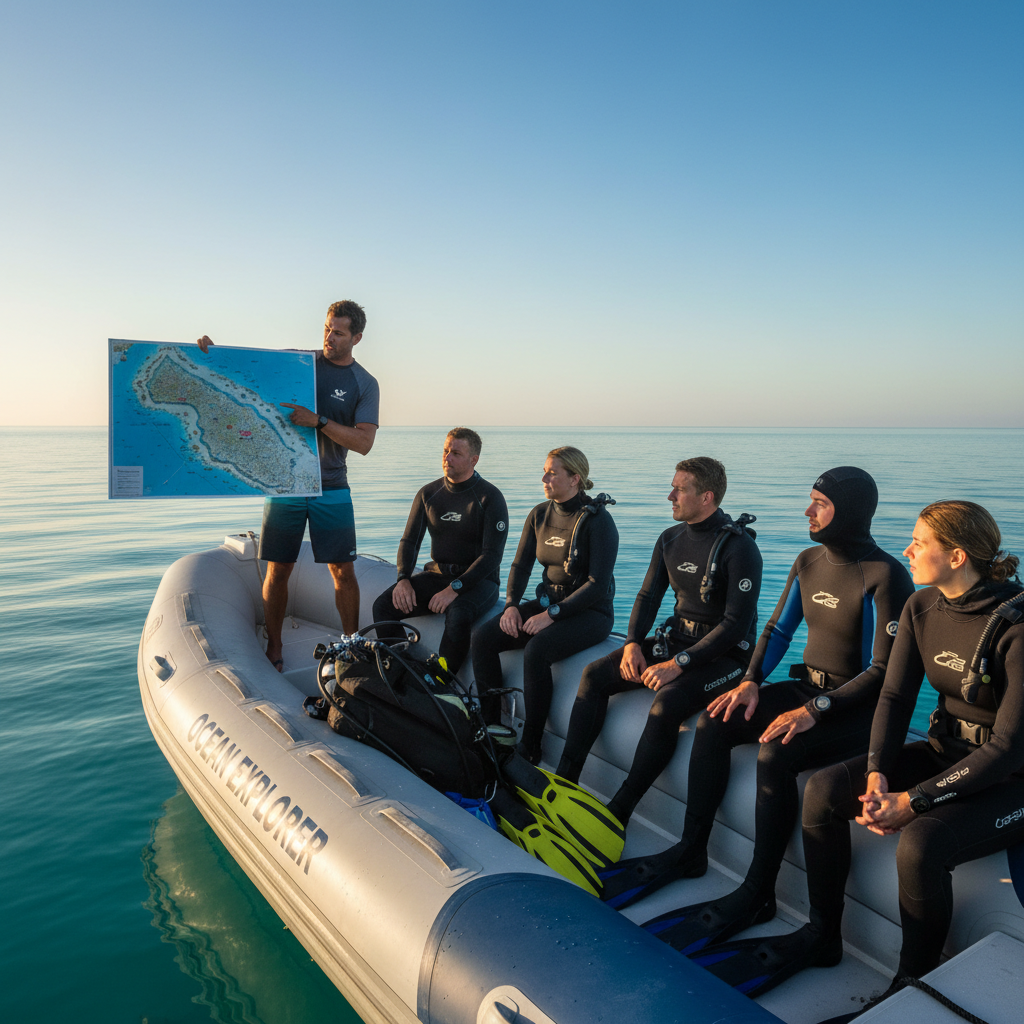
Safety and comfort notes (clear water can still bite)
It’s easy to relax when the water looks like a swimming pool, but conditions that produce clarity do not automatically mean “easy diving.”
- Currents: Many clear-water sites sit near walls and channels; if you’re not drift-comfortable, ask for mellow alternatives or consider a private guide.
- Depth and nitrogen loading: Clear water can tempt divers deeper; stick to your training and computer guidance, and if you have health concerns, consider consulting a medical professional.
- Sun exposure: Clear water often means strong UV; reef-safe sun protection strategies and coverage gear matter more than people expect.
- Buoyancy control: Better visibility shows your finning mistakes, and it also makes it easier to accidentally descend too fast on walls, slow down and use reference points.
According to Divers Alert Network (DAN), dive safety improves when divers plan within training limits and maintain conservative profiles, especially when conditions, depth, or current add workload.
Common mistakes that sabotage visibility (even in “clear” destinations)
- Booking solely by brand-name destination: a famous island in a bad week won’t outperform a less-hyped place in peak season.
- Ignoring wind direction: leeward sites can stay clear while the windward side turns milky, ask where the boats actually go that week.
- Overpacking the schedule: fatigue makes buoyancy sloppy, and sloppy buoyancy makes everyone’s view worse.
- Choosing the cheapest operator without checking standards: maintenance, briefing quality, and group size affect your experience, even when the sea cooperates.
Key takeaways before you book
- Clear water is seasonal. Pick the right month, then pick the destination.
- Match site style to your comfort. Walls and channels can be stunning, but not everyone wants that on vacation.
- Operator flexibility matters. Access to sheltered sites often equals clearer dives.
- Plan for variance. A buffer day and morning dives improve your odds more than chasing a “perfect” list.
Conclusion: choosing the right clear-water trip without overthinking it
If your goal is that “see forever” feeling, start with season and sea exposure, then work backward to the easiest logistics for your budget and time off. For many U.S. travelers, Caribbean options like Bonaire or the Caymans balance clarity with simplicity, while places like Palau, the Maldives, and the Red Sea can feel more dramatic if you’re ready for longer travel and, in many cases, more current.
Your next step is simple, pick two destinations, check their best visibility window for your travel month, then email two reputable dive operators with the same questions about typical conditions and site options. The answers usually make the decision for you.
FAQ
What are the best scuba diving travel destinations for clear water if I only have a week?
Many Americans find the Caribbean easiest for a one-week window because flight times and transfers are shorter. Bonaire and the Cayman Islands often make planning simpler while still delivering strong visibility in season.
Is clear water better for beginner divers?
It can be, because it reduces stress and helps with orientation, but “clear” destinations may still have current or deeper walls. If you’re newly certified, ask for protected reefs and conservative profiles.
When is the best time of year for clear visibility?
It depends on the region, and even on which coast you’re diving. Many places have clearer periods during calmer, drier stretches, but local wind patterns can flip what “best” means from month to month.
How can I confirm visibility before I arrive?
You can’t confirm it with certainty, but you can reduce surprise. Ask local operators what visibility has been this week and what they expect over the next few days, and read recent trip reports with dates attached, not generic reviews.
Are liveaboards better for clear-water diving?
Often, yes, because they can reposition to sheltered areas and reach more remote sites, but they also add cost and commitment. If you prefer flexibility, a land-based plan with multiple dive areas can be a safer bet.
Does clear water mean there’s less marine life?
Not necessarily, but the very richest feeding zones sometimes have more plankton, which can reduce visibility. If you want both, target destinations and seasons known for balance rather than extremes.
What’s the biggest mistake people make when picking clear-water trips?
Choosing a destination by reputation alone and ignoring timing. A “top” location during a windy period can underdeliver, while a less-hyped spot in its prime window can feel unreal.
Do I need special camera gear for clear water?
No, but clear water rewards good technique. Even a simple action camera looks better with steady buoyancy, smart angles, and avoiding midday harsh light when possible.